
 +86 15355323399
 En
 中文简体
 日本語
 Français
 Español
 Deutsch
 Türk
 عربى
 italiano
 русский
Cotton Raffia Yarn Brings Natural Texture to Everyday Craft and Home Decor
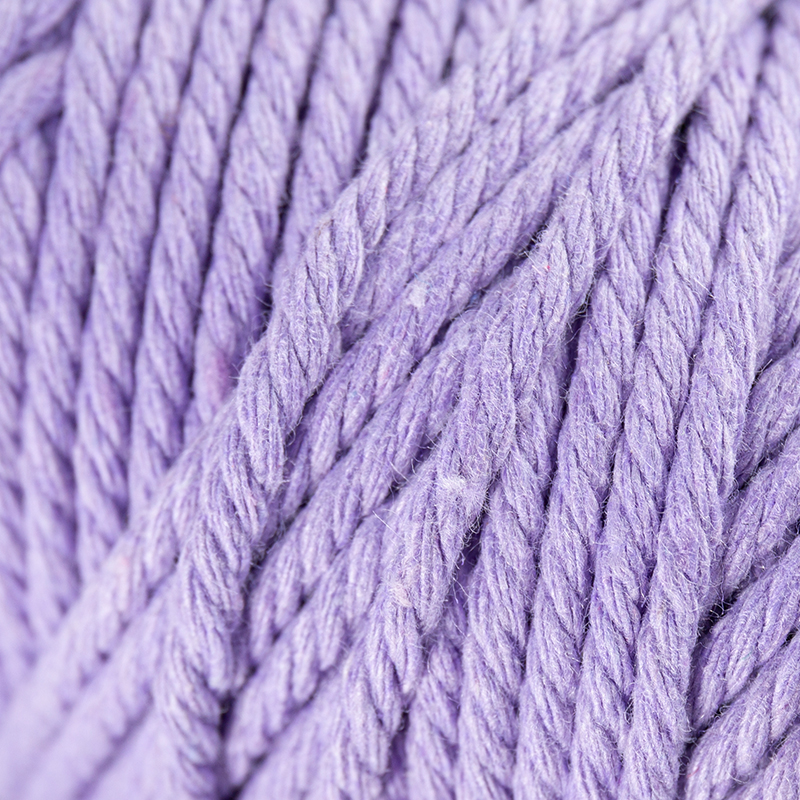
cotton raffia yarn is gaining attention among buyers looking for natural textures, practical materials, and versatile options for handmade products. From woven storage baskets and summer bags to decorative accessories, this yarn helps manufacturers create items that combine a relaxed appearance with everyday functionality. As demand for natural-looking home decor and reusable fashion accessories continues to influence product development, choosing the right yarn has become an important part of maintaining consistent quality and controlling production costs.
Matching Yarn Characteristics to the Final Product
Different applications place different demands on yarn. A lightweight summer bag needs flexibility and a comfortable feel, while a storage basket requires enough structure to maintain its shape. Before selecting cotton raffia yarn, we recommend evaluating the intended weaving or crocheting technique, finished product dimensions, and expected daily use. These details help buyers avoid materials that feel too stiff, stretch more than expected, or produce an uneven surface during processing.
Creating Consistent Results Across Production Batches
For wholesalers and manufacturers, a sample that looks good is only the starting point. Variations in yarn thickness, color, surface texture, or tension can affect the appearance of finished goods, especially when producing coordinated collections. We pay attention to yarn consistency during material selection and recommend that buyers confirm specifications before placing repeat orders. Testing a sample through the actual production process can also reveal feeding problems, loose fibers, or changes in the finished fabric.
Choosing the Right Yarn for Different Craft Techniques
Cotton raffia yarn can be used in a range of textile and craft applications, but the suitable construction depends on the intended design. Buyers should consider:
- Crochet bags: Check flexibility and surface consistency to help maintain an even stitch pattern.
- Woven baskets: Evaluate firmness and yarn structure to support the desired shape.
- Home accessories: Consider color matching, texture, and ease of handling when developing coordinated collections.
- Decorative items: Test how the yarn behaves around curves, edges, and detailed patterns.
A small production trial helps confirm whether the material suits the intended technique before larger quantities are ordered.
Balancing Natural Appearance With Daily Durability
Consumers often choose woven accessories because they bring warmth and texture to everyday spaces. However, attractive materials must also perform well during regular handling. For items such as market bags, placemats, and organizers, buyers should assess abrasion resistance, colorfastness, and the yarn's response to repeated bending. Cotton content, yarn construction, and finishing treatments can influence these characteristics, so performance should be verified for each specific product rather than assumed from appearance alone.
Planning Colors and Packaging for Wholesale Orders
Color selection affects both product presentation and inventory management. Neutral shades can suit minimalist interiors, while seasonal colors may support fashion accessories and gift collections. For wholesale orders, we suggest confirming color references, sample approval procedures, packaging requirements, and acceptable batch variation in advance. Clear specifications make communication easier between suppliers, production teams, and overseas buyers, particularly when the same design will be manufactured across multiple orders.
Reducing Production Problems Through Better Sampling
Sampling is a practical way to identify issues before they affect a full order. Buyers can test yarn tension, knot strength where relevant, surface appearance, and compatibility with their equipment or craft methods. Sharing feedback about the finished sample also helps manufacturers adjust material specifications to meet the product's intended use. This process supports more predictable production planning and reduces the risk of receiving yarn that does not match the original design requirements.
Building Reliable Supply for Long-Term Product Development
Selecting cotton raffia yarn involves more than comparing colors and quoted prices. Consistent specifications, responsive communication, and suitable sampling procedures all contribute to a smoother purchasing process. As a manufacturer, we work with buyers to clarify application requirements and evaluate material options before production. Whether developing woven bags, handmade accessories, or home storage products, businesses can use cotton raffia yarn to explore natural textures while keeping product performance and repeat-order consistency in focus.
 +86 15355323399
 kevin@raffia-paper.com
 No. 151 Guanshan North Road, Dongyang City, Zhejiang Province, China

Copyright © Zhejiang Raffia Paper Products Co., Ltd. All Rights Reserved.

Paper Raffia Yarn & Gift Packaging Factory