
 +86 15355323399
 En
 中文简体
 日本語
 Français
 Español
 Deutsch
 Türk
 عربى
 italiano
 русский
Eco-Modulated EPR Fees Are Coming for Gift Packaging. Paper Is the Cheapest Fix
Extended producer responsibility (EPR) spent a decade as a European packaging compliance challenge. This year, it became a direct line item on American brand invoices.
Colorado and Oregon both operate full eco-modulation programs for packaging, with fee schedules that charge higher per-pound rates for hard-to-recycle materials and lower rates for easily recyclable fiber-based options. Both states also stack active eco-modulation bonuses on top for producers that can document improved material choices. California’s SB 54 codifies eco-modulation into law across nine factors, with the Circular Action Alliance phasing those requirements in over several years.
If you build gift sets, seasonal displays, or craft kits, this lands on a single line of your spec sheet: void fill is no longer free. The question is no longer whether paper looks better in an unboxing shot — it is whether EPS foam and plastic crinkle are worth paying penalty rates on, every pound, every filing cycle. For brands shipping to US West Coast EPR markets, switching to recyclable paper void fill is the fastest path to lower fees and bonus eligibility.
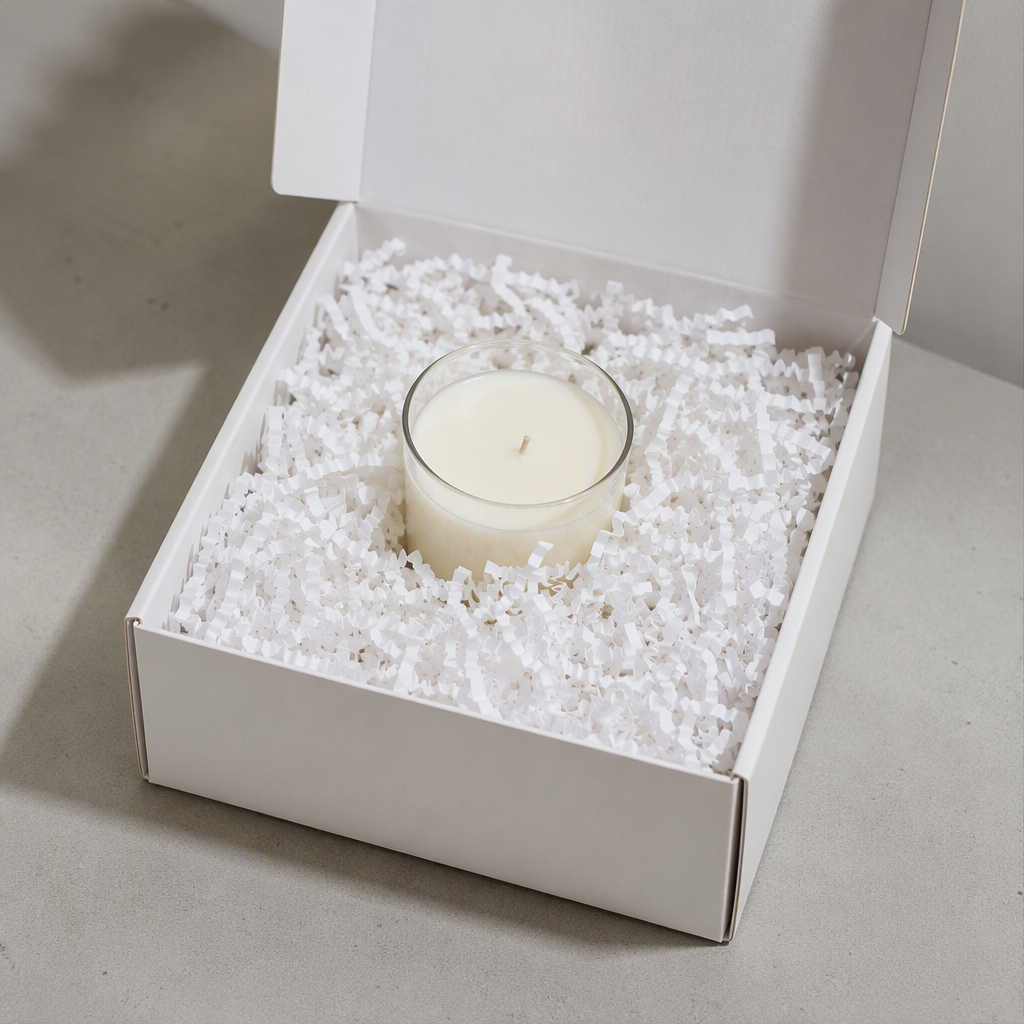
US State EPR Eco-Modulation: What Your Brand Needs to Know
EPR eco-modulation fee structures vary by state, but all reward fiber-based, recyclable packaging and penalize hard-to-process plastic formats. For gift and retail brands shipping across the West Coast, key state rules include:
- Oregon (SB 582): The state’s fully active eco-modulation fee schedule sets base rates at roughly $0.30 per pound for paper packaging vs. $0.63+ per pound for plastic film — with EPS and foam fillers falling into an even higher penalty tier. Producers with verifiable sustainable material choices can earn Bonus A reductions of up to 10% off base fees.
- Colorado (HB 1355): Its program includes passive eco-modulation adjustments built into published base fees, plus active bonus credits of up to 10% for post-consumer recycled (PCR) content, packaging optimization, and reuse initiatives — all requiring formal supplier documentation to claim.
- California (SB 54): The state’s landmark packaging EPR law will phase in eco-modulation across nine criteria over the coming years, creating permanent fee incentives for mono-material, recyclable packaging and penalties for hard-to-process composite and plastic formats.
3 Places Gift Packaging Leaks Money Under EPR Eco-Modulation
1. Void Fill: The Highest Penalty Tier
Foam peanuts and EPS loose fill are the exact materials eco-modulation frameworks are designed to phase out. These non-recyclable plastic fillers sit in the top penalty fee tier in every active US EPR program, driving up per-pound costs for every shipment into Colorado and Oregon.
2. Protective Wrap: The Hidden Cost of Molded Plastic Inserts
Molded plastic protective inserts carry a higher eco-modulation rate than fiber-based alternatives. Honeycomb paper and printed tissue wrap deliver identical product protection, weigh less than molded inserts, and qualify for the lower fiber material fee tier under all state EPR schedules.
3. Decorative Shred: Plastic Isn’t Your Only Option
Many gift brands assume decorative box filler is locked to plastic crinkle. It is not. Colored paper crinkle fill occupies the same volume in the same box, delivers the same premium unboxing experience, and falls into the eco-modulation fee category for gift packaging.
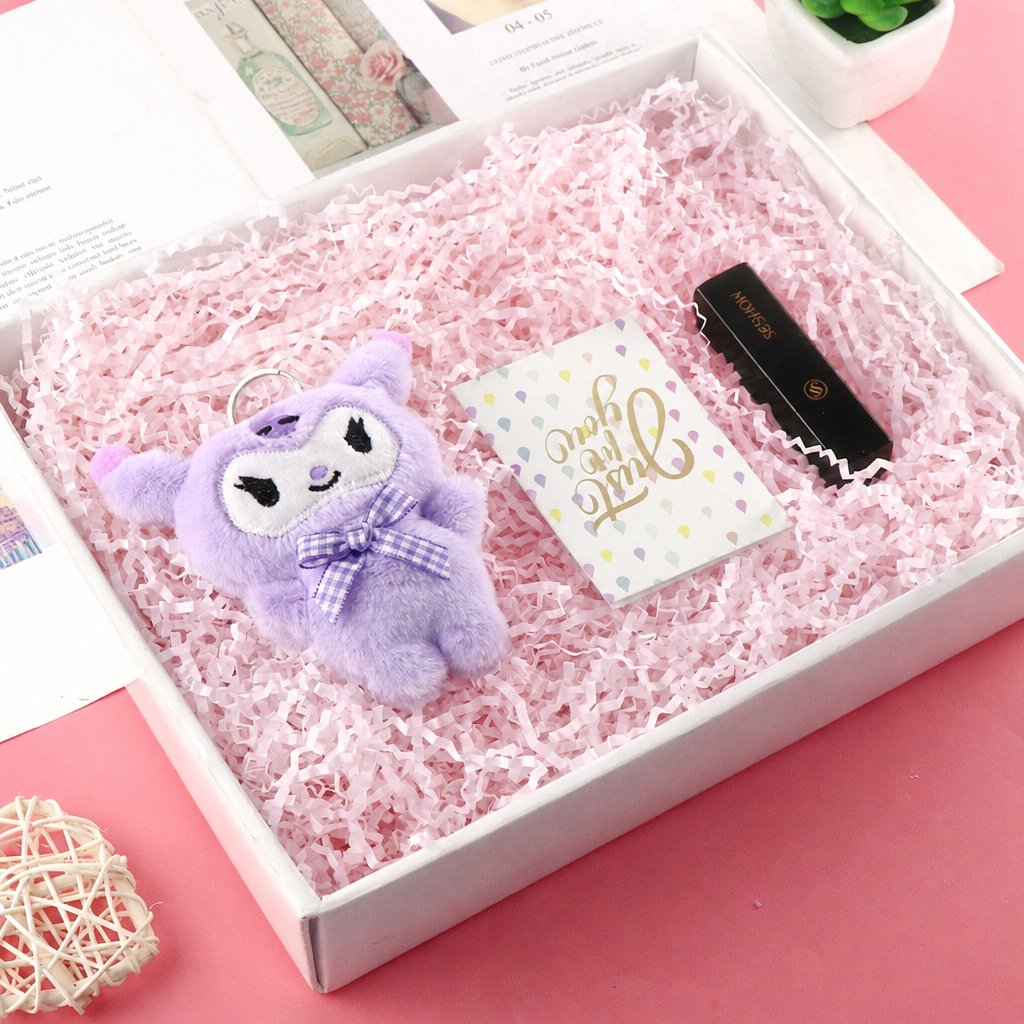
Why Switching to Paper Fill Costs Less Than Staying With Plastic
No production retooling required. Paper crinkle, honeycomb buffer, and printed wrapping paper fit directly into the packaging dimensions you already spec, and your packing team does not need to learn new fold patterns or processes.
Because paper compresses efficiently, the same cubic volume of filler ships in a tighter outer carton — delivering real, measurable freight savings on top of EPR fee reductions. For brands shipping into Colorado and Oregon, the combined per-pound fee savings and freight optimization deliver a lower total landed cost than plastic void fill, even before you claim active eco-modulation bonuses.
Our FSC-Certified Paper Packaging & Void Fill Product Line
We manufacture the full paper-based end of your gift packaging supply chain: wood-pulp crinkle paper, honeycomb buffer paper, printed and pearlised wrapping paper, plus raffia yarn and decorative accessories for complete gift set builds.
- Pantone Color Matching (ΔE ≤ 1.5): Guaranteed color consistency ensures your seasonal palette does not drift between production runs, for uniform brand presentation across every order.
- Low MOQs for Low-Risk Trials: 100 kg MOQ for standard crinkle paper; 500 kg for custom colors or widths — small enough to test one SKU before committing to an entire seasonal product line.
- Fast Order Turnaround: Standard in-stock orders ship in 48–72 hours; custom production runs are completed in 3–7 days once specifications are finalized.
- Scalable Peak-Season Capacity: 8 dedicated shredding lines and 5 fancy-yarn production lines deliver approximately 800 tons of output per month, so Q4 color changes and holiday demand surges never cause stock-outs.
- Vacuum-Compressed for Freight Efficiency: Available in formats from 200g to 20kg bulk, plus 500g and 1000g retail-ready pouches. You pay freight on product, not empty air.
Eco-Modulation Bonus Documentation & EPR Filing Support
Active eco-modulation fee bonuses only survive a state audit if your supplier stands behind every claim with formal, verifiable documentation. We provide full end-to-end support for your EPR supply chain filings:
- We hold valid FSC® certification, and our production facility is BSCI-audited, with full traceability for all fiber-based raw materials.
- We provide biodegradability and recyclability test reports on request, and can support your applications for OK Compost or TÜV certification for your target markets.
- Our crinkle paper is one hundred percent biodegradable, microplastic-free, and manufactured with FSC®-traceable pulp — qualifying your packaging for the fiber fee tier and active recyclability bonuses in Colorado, Oregon, and California.
We export to over 30 countries across Europe, North America, and Japan, operating a 20,000 m² facility with 200+ experienced staff. In a per-pound EPR fee regime, consistent, documented spec control across seasons is the foundation of predictable cost control.
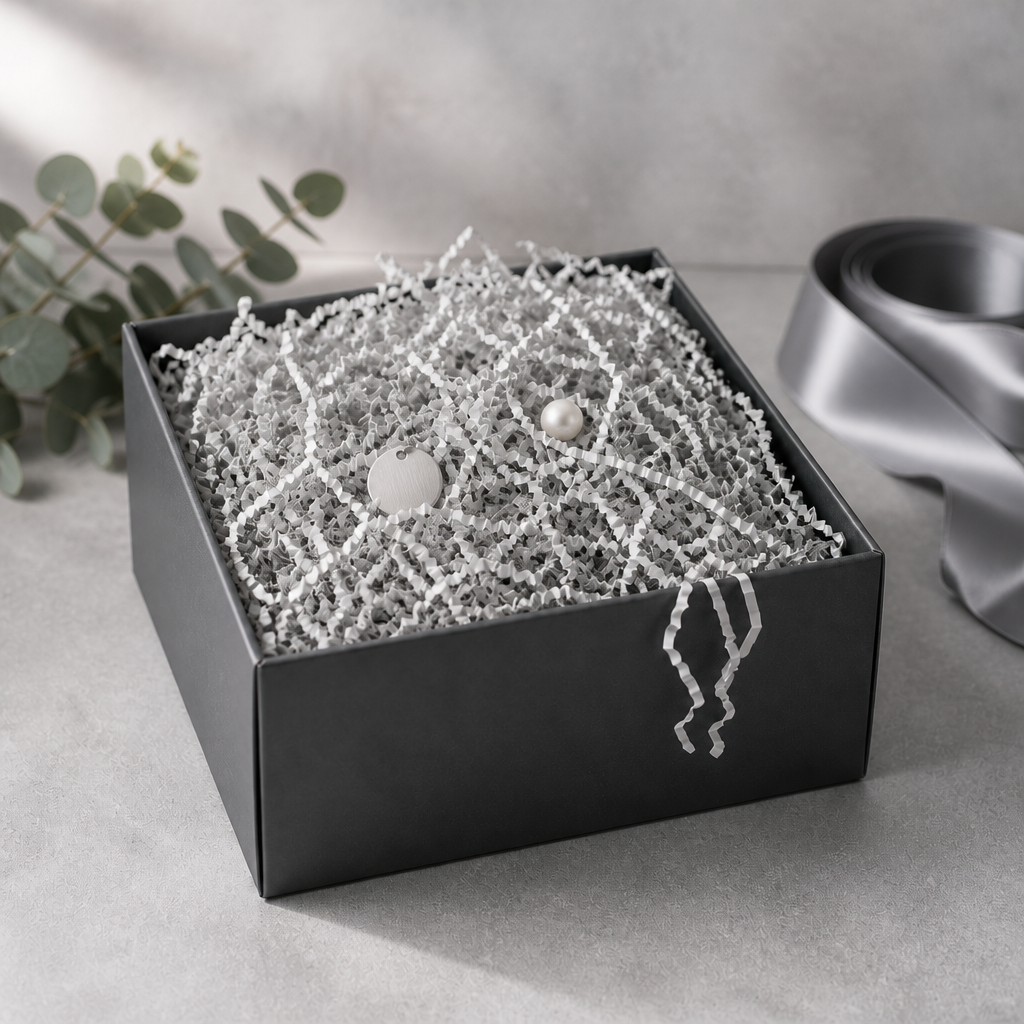
What We Can Deliver For Your Brand This Quarter
- Free Pantone-matched crinkle paper and honeycomb buffer samples (freight billed to your account)
- 24-hour inquiry response, with a single dedicated account manager for your project
- Full custom capabilities: custom color, width, roll weight, and retail packaging formats (0.2–20kg rolls, retail pouches, or bulk cartons), plus custom logo printing and hangtags
- EPR filing support: complete material safety and sustainability statements required for your EPR supply report and eco-modulation bonus applications
Choose our Raffi paper products, and you can confidently embed your green commitment into every package. Made from sustainable recycled fibers with a natural log tone, our paper contains no bleaching agents or fluorescent agents, with a short degradation cycle that protects your goods and our shared planet. Every customer who receives your package will notice both the premium unboxing quality and your dedication to environmental stewardship.
If your gift product line ships into Colorado, Oregon, California, or any US state with active or upcoming EPR eco-modulation, the lower-cost version of your packaging is almost certainly paper-based. Send us your spec sheet and the markets you ship into. We’ll send free color-matched samples and a full cost comparison so you can price both versions before your next EPR reporting window opens.
https://www.raffia-paper.com/
 +86 15355323399
 kevin@raffia-paper.com
 No. 151 Guanshan North Road, Dongyang City, Zhejiang Province, China

Copyright © Zhejiang Raffia Paper Products Co., Ltd. All Rights Reserved.

Paper Raffia Yarn & Gift Packaging Factory