
 +86 15355323399
 En
En  中文简体
中文简体 日本語
日本語 Français
 Español
 Deutsch
 Türk
Türk عربى
عربى italiano
 русский
Naturals Sisal Filling Shreds: A Sustainable, Premium Solution for Modern Gift Packaging
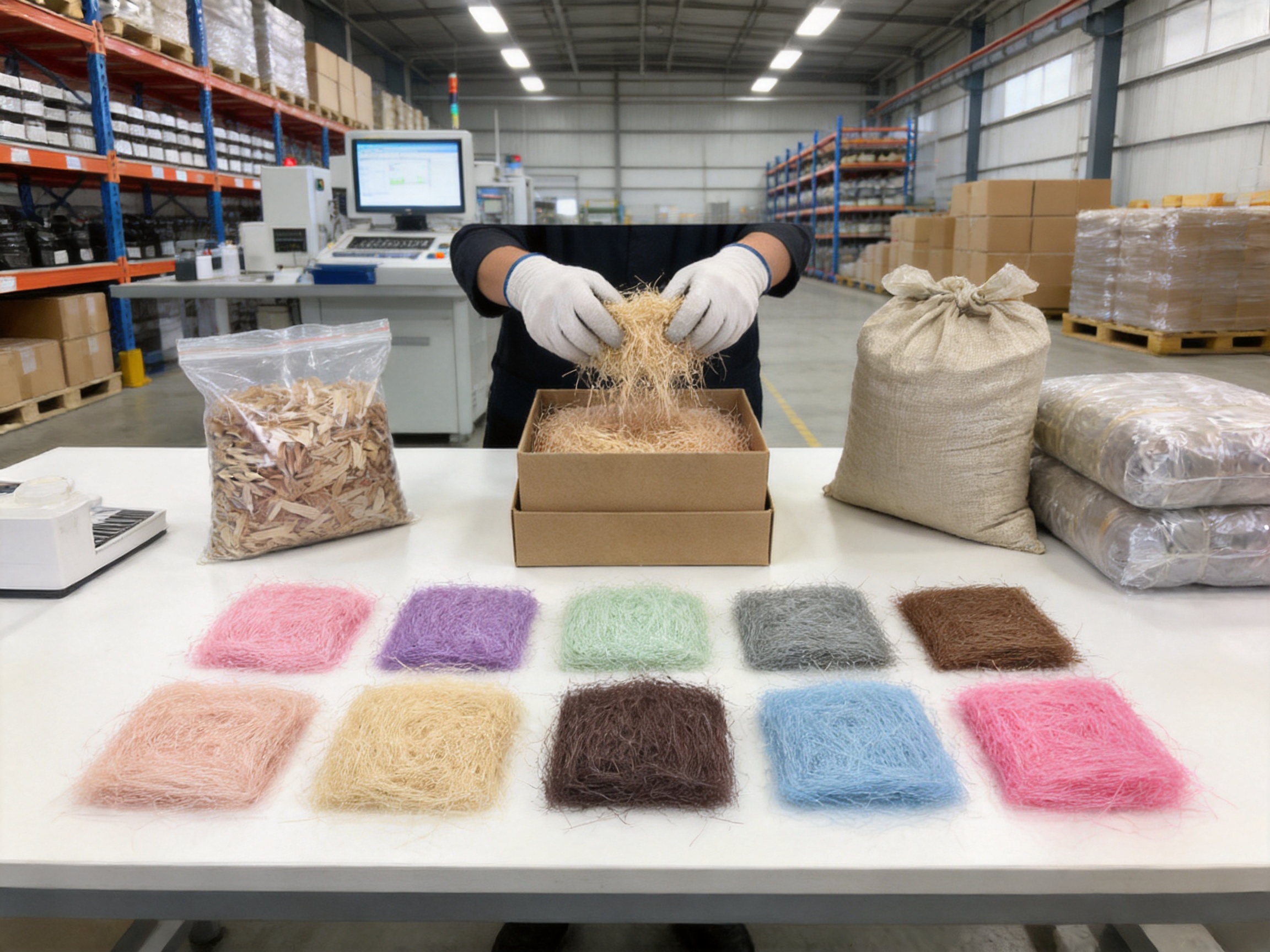
Packaging is no longer viewed as a simple outer layer used only to protect a product. In today’s competitive retail and e-commerce markets, packaging must perform several functions at the same time. It must help prevent damage, create an attractive unboxing experience, communicate brand values, support efficient logistics and respond to growing demand for environmentally responsible materials. For this reason, decorative packaging fillers have become an important part of product presentation.
Naturals Sisal Filling Shreds are designed to meet these changing requirements. Made from carefully selected natural jute fibers and processed through physical opening, combing and precision cutting, the material provides a practical alternative to conventional plastic fillers and ordinary paper shreds. Its natural texture adds visual warmth to gift boxes, while its lightweight, resilient structure helps stabilize products during handling, storage and transportation.
Although the product is marketed as Naturals Sisal Filling Shreds, the supplied specification identifies the primary material as natural jute fiber. This plant-based fiber is processed without bleaching and can be supplied in its natural color or in customized eco-friendly dyed colors. The result is a versatile filling material suitable for gift packaging manufacturers, packaging distributors, retailers, importers, wholesalers and brand owners.
Unlike many low-cost fillers that focus only on volume, this product combines decorative appeal, cushioning performance, flexible customization and efficient export packaging. It is suitable for both standard wholesale supply and customized OEM and ODM programs, allowing buyers to develop distinctive packaging collections without changing suppliers for every project.
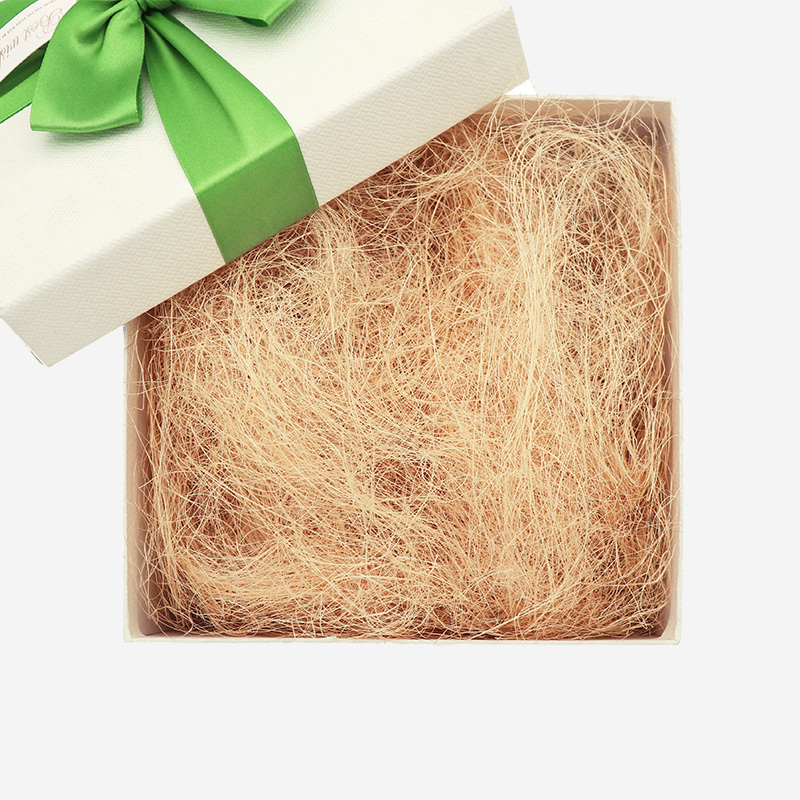
Naturals Sisal Filling Shreds
What Are Naturals Sisal Filling Shreds?
Naturals Sisal Filling Shreds are loose, decorative fiber strips used inside gift boxes, baskets, shipping cartons and presentation packaging. The shreds are produced by opening natural jute fibers, combing them to improve consistency and cutting them to a controlled width and length. This process creates a fluffy, textured filling material that can be arranged around products or layered beneath them.
The material is designed to provide both visual enhancement and light cushioning. When placed inside a box, the shreds fill empty spaces and help reduce product movement. They can support the presentation of bottles, cosmetics, candles, food gifts, jewelry, handmade products and other retail items. The irregular natural texture also gives packaging a handcrafted and premium appearance.
The product is available in natural tones as well as customized colors. Buyers may request Pantone color matching, brand-exclusive shades, seasonal color combinations or multicolor mixtures. The shreds can also be used alone or blended with paper shreds, glitter shreds and other decorative materials to create different visual effects.
For commercial buyers, the product is more than a decorative accessory. It is a scalable packaging component supported by standardized processing, bulk packaging options, customization services and integrated production capabilities. These features make it suitable for companies that require repeatable quality and reliable supply across multiple product lines.
Material Composition and Natural Appearance
The primary material is natural jute fiber, a renewable plant fiber known for its characteristic texture and strength. Jute has a warm, organic appearance that fits naturally with current packaging trends, including rustic presentation, artisan branding, sustainable retail and natural product positioning.
The fibers are not bleached during standard processing. As a result, the finished material retains an authentic natural appearance rather than looking overly uniform or artificially bright. Small variations in texture may occur because the product is made from a natural fiber, but controlled processing helps maintain a consistent overall presentation from batch to batch.
For brands selling organic foods, handmade goods, wellness products or environmentally conscious merchandise, natural jute filling can reinforce the visual message of the product. The material communicates a sense of simplicity and craftsmanship while allowing the packaging to remain attractive and professional.
For projects requiring stronger visual identity, the natural fiber can be dyed in eco-friendly colors. Custom colors may be developed according to Pantone references or customer-approved samples. This makes the product suitable not only for brown or neutral packaging themes but also for corporate colors, holiday campaigns, luxury collections and seasonal retail programs.
Manufacturing Process
The quality and performance of decorative fiber filling depend heavily on how the raw material is prepared. Poorly processed fibers may contain excessive dust, irregular lengths, uneven density or inconsistent color. These issues can reduce the visual quality of finished packaging and create problems during filling and packing.
Naturals Sisal Filling Shreds are produced through a controlled physical processing sequence. The main stages include fiber selection, physical opening, combing, precision cutting, optional dyeing, inspection and final packaging.
Raw Fiber Selection
Production begins with the selection of suitable natural jute fibers. Raw material selection affects the final texture, color, softness, flexibility and filling performance. Fibers are evaluated for their general appearance and suitability for decorative packaging applications.
Using appropriately selected fibers helps create a product that is visually attractive while remaining sufficiently resilient for commercial use. The selection process also supports more consistent results when large orders are produced over multiple batches.
Physical Opening
After selection, the fibers undergo physical opening. This step separates compressed or bundled fibers and restores a loose structure. Proper opening is important because it allows the material to expand inside the package and form a fuller appearance.
Physical opening is performed without a bleaching process. This helps preserve the original character of the jute fiber and avoids changing the material into an overly processed, paper-like filler. The opened structure also supports lightweight cushioning by creating space between individual fibers.
Combing and Fiber Alignment
Combing helps separate tangled fibers and improve the uniformity of the material. It contributes to a cleaner appearance and makes the shreds easier to distribute inside a gift box or shipping package.
Although natural jute filling is intentionally textured, controlled combing reduces excessive knots and irregular clumps. This balance between natural character and production consistency is important for buyers who want an organic appearance without sacrificing professional presentation.
Precision Cutting
Following opening and combing, the fibers are cut to the required dimensions. The standard fiber width is approximately 1–2 millimeters, while cutting length can be customized according to the packaging application.
Precision cutting supports more predictable filling behavior. Shorter shreds may be suitable for smaller gift boxes, compact products and detailed presentation. Longer fibers may create a fuller, more flowing appearance in baskets, hampers and larger cartons. Different cutting lengths can also be developed for specific product formats.
Optional Dyeing
Natural color is available for customers seeking a raw, rustic or environmentally focused appearance. For projects requiring stronger brand recognition, the fibers can be supplied in eco-friendly dyed colors.
Color customization may include single-color production, Pantone matching, seasonal collections, multi-color combinations and private-label packaging. Before mass production, customers can confirm color samples to reduce the risk of mismatch between the filler and the rest of the packaging system.
Inspection and Packaging
Finished shreds are inspected according to customer requirements. Inspection may cover general appearance, fiber consistency, color, cutting quality, packaging weight and packing condition.
After inspection, the material can be packed in vacuum-compressed bags, transparent OPP bags or bulk woven bags. The appropriate packaging format depends on the customer’s sales channel, storage conditions, order volume and shipping method.
Key Product Advantages
Natural Plant-Based Material
The product is made from natural jute fiber rather than petroleum-based plastic. This provides a plant-based option for companies that want to reduce the use of synthetic decorative fillers in their packaging programs.
Natural fiber does not automatically make an entire package sustainable, because the total environmental impact also depends on dyes, bags, cartons, transportation and disposal. However, replacing plastic decorative elements with renewable plant fiber can be a meaningful improvement when the material is properly sourced and disposed of.
Biodegradable Characteristics
Natural jute is biodegradable under suitable disposal conditions. This characteristic makes it attractive for brands developing environmentally conscious packaging. Buyers should still evaluate local waste systems and any added materials used in dyed or mixed-filler products.
For customers seeking a more natural packaging story, jute shreds offer a clear alternative to plastic curls, synthetic foam pieces and other non-biodegradable decorative fillers. They can be particularly appropriate for products positioned around natural living, handmade production, organic ingredients or responsible consumption.
Authentic Decorative Texture
The visible texture of jute creates depth and character inside a package. Instead of appearing flat or purely functional, the filler contributes to the overall presentation. The fibers can be fluffed around the product, placed beneath it or arranged to form a layered display.
This texture is especially effective when paired with kraft cartons, wooden boxes, corrugated packaging, uncoated paper, glass containers, cotton ribbons and other natural-looking materials. It can also create contrast in luxury packaging by combining a rustic fiber texture with rigid boxes, printed sleeves or high-quality labels.
Lightweight Cushioning
Naturals Sisal Filling Shreds help stabilize products inside a box by filling open spaces and limiting movement. The loose fiber structure provides light cushioning for products that do not require heavy impact protection.
For fragile products, the material should be used together with an appropriate inner box, divider, protective wrap or engineered cushioning system. Decorative filler is not intended to replace all forms of protective packaging. Its value is that it combines presentation with a useful level of stabilization for many retail and gift-packaging applications.
Flexible Color Development
Many competing fillers are available only in a limited range of standard colors. By contrast, this product supports natural color, dyed color, Pantone matching, private-label programs and multicolor combinations.
Color flexibility allows packaging companies to create coordinated collections for holidays, weddings, corporate campaigns, product launches and seasonal promotions. It also allows a brand to use different colors for different product categories while retaining the same basic filling material.
Compatibility with Other Fillers
Natural jute shreds can be used alone or mixed with other decorative fillers. Common combinations include natural jute with paper shreds, glitter shreds or multicolor jute fibers.
Mixed-filler solutions help packaging designers control texture, color, density and visual impact. For example, natural jute may provide the base volume, paper shreds may add softness and color, and glitter shreds may provide a festive highlight. Custom material ratios can be developed according to the desired appearance and packaging budget.
Space-Efficient Export Packaging
Vacuum compression can reduce the shipping volume of loose filling material. Lower shipping volume may help improve warehouse utilization and reduce the space required during international transportation.
Once opened, compressed shreds can expand and be loosened before use. Buyers should test the expansion behavior and required quantity for their specific packing process. Even with this consideration, compressed packaging can be a valuable advantage for importers and distributors managing large volumes.
Comparison with Conventional Decorative Fillers
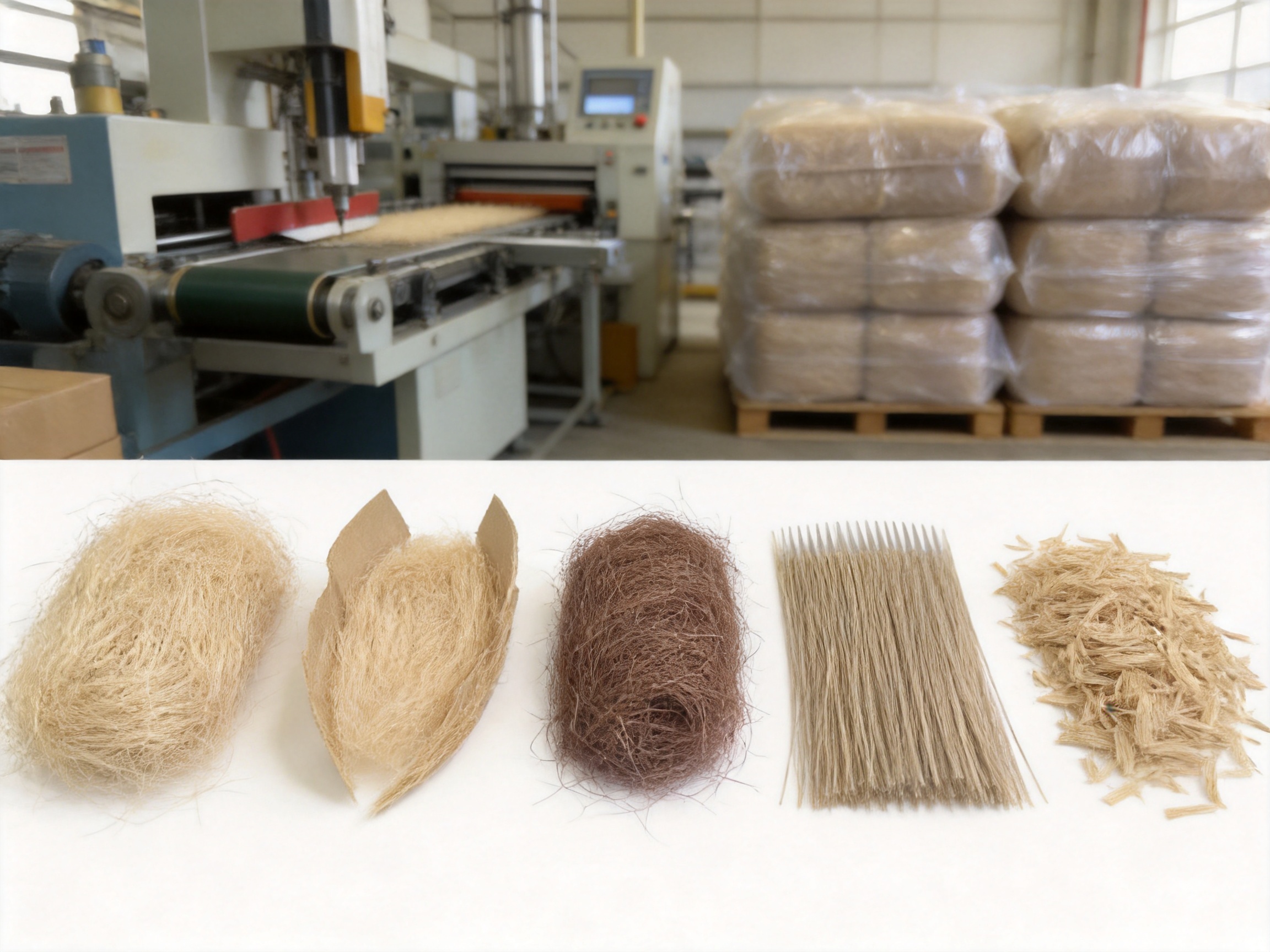
Packaging buyers commonly compare natural fiber shreds with paper crinkle shreds, plastic fillers, foam pieces, wood wool and other loose materials. Each option has a different combination of appearance, cushioning, price, processing and disposal characteristics.
| Comparison Factor | Naturals Sisal Filling Shreds | Plastic Decorative Filler | Standard Paper Shreds |
| Primary material | Natural jute fiber | Synthetic polymer | Paper fiber |
| Visual character | Natural, textured and handcrafted | Uniform and synthetic | Printed or crimped paper appearance |
| Biodegradable potential | Yes, under suitable conditions | Generally limited | Generally biodegradable, depending on treatment |
| Color options | Natural and customized dyed colors | Usually broad | Usually broad |
| Cushioning function | Light stabilization and space filling | Light stabilization and space filling | Light to moderate stabilization |
| Natural texture | Strong natural fiber texture | Limited | Paper texture |
| Mixing potential | Can mix with paper and glitter shreds | May be mixed with other synthetics | Can mix with other paper or decorative fillers |
| Export packaging | Vacuum compression, OPP or woven bags | Various formats | Various formats |
The main advantage of natural jute filling is its combination of visual authenticity and sustainability-oriented material positioning. Plastic fillers may offer consistent volume, but they do not provide the same natural appearance and may be less suitable for brands trying to reduce synthetic materials. Standard paper shreds are widely used and can be cost-effective, but jute offers a different texture and a more organic presentation.
Wood wool can create a rustic appearance but may be stiffer, sharper or less suitable for certain products. Natural jute shreds are softer and more flexible in many gift-box applications, although the proper choice depends on the product, box dimensions and required protection level.
Rather than replacing every other filler, natural jute can also function as part of a broader packaging design. Combining materials allows buyers to achieve the required appearance, product stability and price target for different packaging programs.
Applications Across Multiple Industries
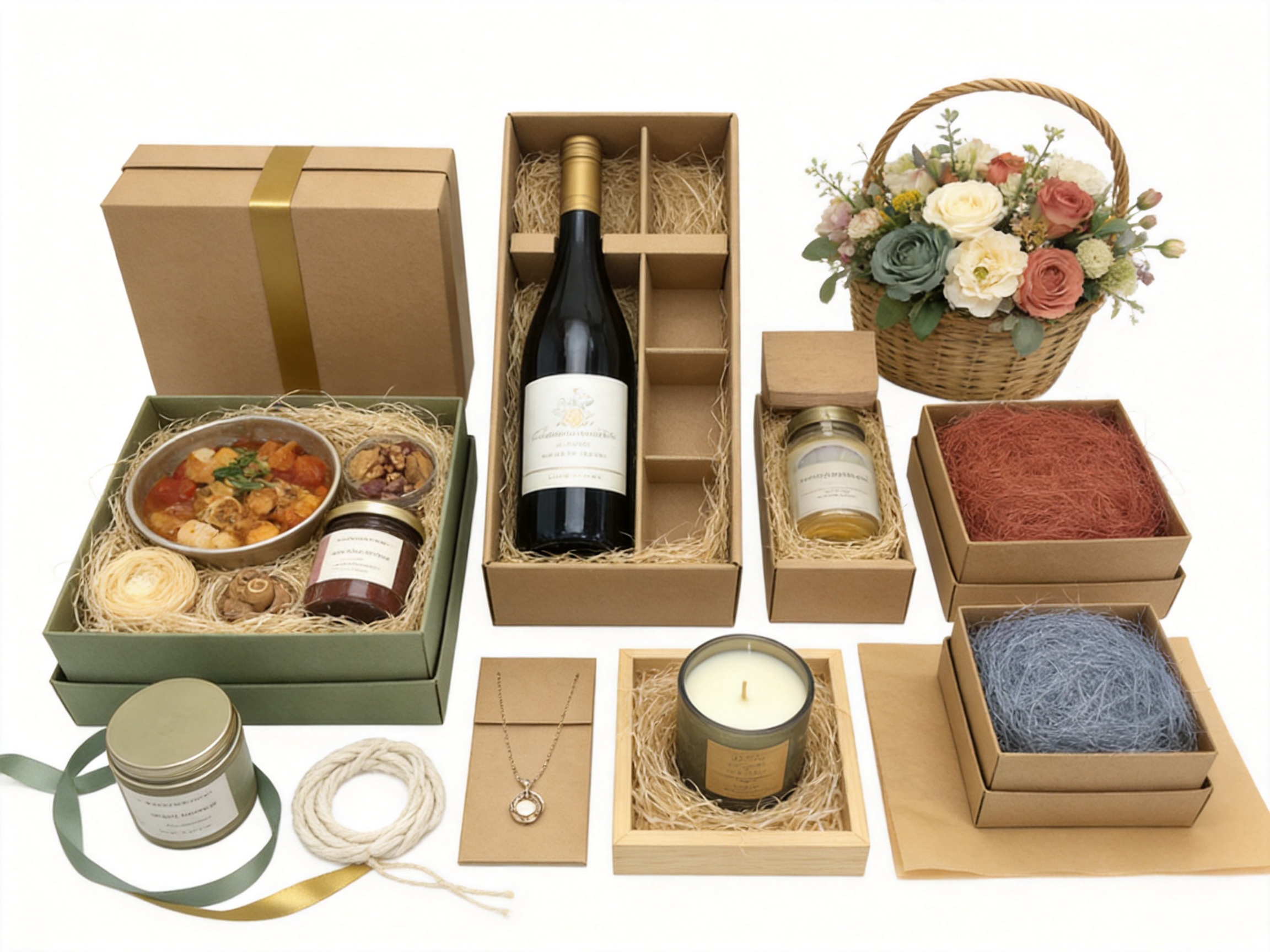
Premium Gift Boxes
Gift box manufacturers can use natural jute shreds to create a fuller and more refined interior presentation. The fibers help prevent products from appearing loose inside the box and add a visually rich layer beneath or around the item.
The material works well with rigid setup boxes, folding cartons, wooden boxes and reusable gift containers. Natural color supports artisan and eco-conscious themes, while custom colors allow the filler to match printed packaging or brand guidelines.
Wine and Spirits Packaging
Bottles are often presented in gift boxes, hampers and promotional sets. Jute filling can help stabilize a bottle or support accessories such as glasses, corkscrews, tasting cards and gourmet foods.
For wine and spirits packaging, the filler should be used with suitable dividers or inserts whenever the bottle requires strong protection. Its primary contribution is visual enhancement and light movement control rather than complete impact resistance.
Gourmet Food Hampers
Food hampers often contain several products in different shapes and sizes. Natural fiber shreds can fill gaps between jars, boxes, bottles and wrapped items while creating a cohesive presentation.
The natural appearance is compatible with products such as specialty foods, tea, coffee, preserves, honey, dried fruit and organic snacks. Buyers should confirm all applicable food-contact and packaging requirements for their specific application, particularly when the filler may come into direct contact with unpackaged food.
Chocolate and Confectionery Boxes
Chocolate and confectionery gift sets benefit from a carefully arranged interior. Jute shreds can be placed below secondary packages or around individually boxed products to create a premium presentation.
Because loose fibers should not contaminate food, the product is generally most appropriate when the confectionery is already sealed in suitable primary or secondary packaging. Packaging designers should also consider fiber shedding and choose an inner tray, pouch or insert when necessary.
Cosmetic and Skincare Gift Sets
Cosmetic bottles, jars, tubes and accessories often require attractive gift packaging for launches, promotions and holiday collections. Natural jute filler can create a soft visual background and help keep products in position.
Custom colors are useful for skincare brands that use specific palettes for different product ranges. Neutral jute may support botanical and natural formulations, while dyed colors can coordinate with luxury or seasonal campaigns.
Jewelry and Watch Packaging
Jewelry and watches are typically placed in dedicated inner cases, trays or pouches. Jute shreds can be used around the inner presentation unit or within a larger gift box to add volume and texture.
For these products, the filler should not replace a protective jewelry insert. Instead, it serves as an outer decorative layer that supports the unboxing experience while keeping the inner case visually secure.
Handmade Soap and Candle Packaging
Handmade soaps and candles are often associated with natural, artisanal and environmentally responsible values. Jute shreds complement these product characteristics and can help create a cohesive handcrafted presentation.
The material is suitable for individual gift boxes, multi-product sets, subscription packages and market-stall presentation boxes. Custom colors can be used for wedding favors, holiday collections and special-event packaging.
Floral and Bouquet Packaging
Floral businesses can use natural fiber shreds to enhance flower boxes, dried-flower arrangements and gift baskets. The textured material works particularly well with kraft paper, linen ribbons and natural-colored cartons.
Jute shreds may also be used in presentation baskets containing flowers, chocolates, candles or wellness products. Buyers should consider moisture exposure and select packaging that protects the fibers from direct contact with wet plant material.
Corporate and Promotional Gifts
Corporate gift suppliers often need packaging that looks professional while also communicating responsible sourcing. Natural jute filling can help create a more distinctive presentation for employee gifts, client gifts, conference packages and promotional sets.
Custom color matching and private-label packaging enable the filler to become part of a broader corporate identity. It can be packed in branded bags or combined with other customized packaging accessories.
E-Commerce Packaging
Online retailers increasingly use the unboxing experience as a marketing tool. A well-designed package can encourage customers to share photographs, post reviews and remember the brand.
Natural jute shreds help fill empty space and make an e-commerce order appear more complete. However, shipping conditions should be evaluated carefully. For products subject to vibration, impact or compression, the filler should be combined with suitable structural protection.
OEM and ODM Customization Services
Different buyers require different material specifications, packaging formats and branding options. Standard stock products may be suitable for simple orders, but larger packaging programs often require customization.
Material Customization
Customers can request natural jute fiber in natural color or eco-friendly dyed colors. The product can be developed for different visual and tactile requirements, subject to technical evaluation and order quantity.
Fiber Width and Cutting Length
The standard fiber width is approximately 1–2 millimeters, but custom widths may be discussed for specific applications. Cutting length can also be adjusted to influence fullness, distribution and appearance.
Shorter fibers may be easier to control in small boxes, while longer fibers may create greater visual volume in baskets and larger packages. Testing is recommended before mass production to determine the best specification.
Fluffiness and Density
Different customers may require different levels of fluffiness. A compact filler may reduce consumption per box, while a fuller structure may create a more luxurious appearance.
Production teams can review the desired presentation, product weight and box dimensions before recommending a suitable material structure. This helps buyers balance visual impact, packaging cost and shipping efficiency.
Color and Brand Development
Customization may include Pantone color matching, brand-exclusive shades, seasonal colors and multicolor mixtures. Buyers can use one consistent color across product lines or create coordinated combinations for special campaigns.
Color approval samples are useful for confirming the final result under different lighting conditions. Natural fibers may display slight texture variations that affect how color is perceived, so sample evaluation should take place before final approval.
Mixed Filling Solutions
Natural jute can be mixed with paper shreds, glitter shreds or other decorative materials. The mixing ratio can be adjusted according to the desired volume, texture and visual effect.
Mixed materials may be supplied as a pre-blended product or combined by the customer during packaging operations, depending on production requirements. A pre-blended solution can simplify filling work, while separate materials offer greater flexibility at the packing station.
Packaging Customization
Available packaging options include vacuum bags, transparent OPP bags, bulk woven bags, custom-weight packs, private-label bags and custom cartons. Packaging can be selected according to the buyer’s sales channel.
Retail-ready products may require transparent bags and labels. Industrial buyers may prefer large woven bags for efficient handling. Export customers may choose vacuum compression to reduce shipping volume and protect the material from dust and moisture during transportation.
Manufacturing Strengths of the Supplier
Zhejiang Raffia Paper Products Co., Ltd. provides integrated manufacturing and packaging services for decorative packaging materials. The company was founded in 2014 after developing from a craft materials business unit established in 2010. Its experience includes the production of paper raffia products, fancy yarns, decorative packaging materials and related customized items.
The company operates a modern production base in Dongyang, Zhejiang Province, covering approximately 20,000 square meters and employing more than 200 professional workers. Its production system includes raw material processing, product manufacturing, quality testing, compression packaging and finished-goods shipment.
This integrated structure is important for commercial buyers. Instead of coordinating separate suppliers for raw material preparation, processing, packing and export preparation, customers can work with one manufacturing partner for a broader range of requirements.
The company reports an annual production capacity of more than 200 million pieces across its product categories. This capacity supports both standard products and large-volume orders, subject to specifications, production schedules and confirmed lead times.
Standardized Production Procedures
Standardized procedures help reduce variation between batches. For natural fiber products, this is especially valuable because the raw material naturally contains texture and color differences. Controlled opening, combing and cutting help maintain a consistent commercial appearance while preserving the authentic character of the fiber.
Integrated Quality Control
Quality control begins with material selection and continues through processing, packing and final inspection. Production teams check general appearance, dimensions, color, packaging condition and conformity with customer specifications.
For OEM and ODM orders, quality requirements can be documented during sampling and confirmed before mass production. This provides a reference for repeat orders and supports more consistent results across long-term supply programs.
Equipment and Technical Development
The company continues to upgrade production equipment and core technologies for slitting, twisting, winding and compression packaging. These capabilities are relevant to the broader product portfolio and support the company’s ability to manufacture different forms of raffia, paper yarn and decorative packaging materials.
Investment in equipment and process development can help improve productivity, packing efficiency and repeatability. It also supports the development of custom products that may require special widths, colors, structures or packaging formats.
Global Supply Experience
The company serves customers in China and exports to Europe, North America, South America, Asia and other regions. This international experience supports the documentation, packing and communication requirements associated with cross-border supply.
Its products have been used by or supplied to recognized retail, lifestyle, fashion and consumer brands. For new buyers, this type of industry experience can provide confidence that the supplier understands commercial quality expectations, packaging consistency and large-order coordination.
Quality Control and Buyer Evaluation
Before placing a large order, buyers should evaluate the product according to their own packaging process. Important factors include fiber width, cutting length, color, density, fluffiness, dust level, odor, packaging weight and expansion after compression.
Samples should be tested in the actual box or container used for the final product. A filler that appears suitable in a sample bag may behave differently when placed around bottles, jars, cartons or irregularly shaped items.
Buyers should also confirm whether the product will contact food, cosmetics, clothing or other sensitive goods. When direct contact is possible, additional packaging barriers and compliance documentation may be required.
The supplier can provide REACH-related compliance information upon request, with other standards considered according to the destination market and customer requirements. Importers remain responsible for verifying the regulations applicable to their own products, packaging systems and sales regions.
Packaging, Storage and Logistics
Correct packing helps preserve the quality of loose natural fibers during storage and transportation. Vacuum-compressed bags are suitable for export and bulk shipments because they reduce volume and help protect the material from dust and moisture.
Transparent OPP bags are suitable for retail-ready presentation, sample distribution and e-commerce packaging. They allow the buyer or end user to see the color and texture of the material before opening the package.
Heavy-duty woven bags are appropriate for factories, wholesalers and high-volume buyers. They support efficient warehouse handling and can be selected when the material will be repacked before sale or used directly in a production facility.
Storage areas should be clean, dry and protected from excessive moisture, direct sunlight and contamination. Natural fibers may absorb moisture from the surrounding environment, so proper warehouse conditions are important for maintaining appearance and handling performance.
Buyers should also consider whether the compressed material requires a defined recovery time before use. Packaging operators can conduct a simple expansion test to determine how much material is required per box and how long the shreds need to be loosened before filling.
Commercial Benefits for Wholesalers and Distributors
Wholesalers and importers often need products that are easy to store, simple to explain and suitable for several customer segments. Naturals Sisal Filling Shreds meet these needs through flexible packaging formats, broad applications and customization possibilities.
One product can serve gift box manufacturers, floral suppliers, cosmetic packaging companies, retailers, subscription-box businesses and promotional-product suppliers. This helps distributors offer a versatile natural filler rather than limiting their inventory to one narrow application.
Vacuum compression can reduce warehouse and shipping volume. Custom packaging can support resale under a distributor’s own label. Standardized fiber widths and repeatable processing can simplify purchasing for customers who need consistent material across several orders.
The product also gives distributors an opportunity to respond to market demand for sustainable packaging. Many end users are looking for alternatives to plastic decorations and want packaging that communicates a more natural brand image.
How to Select the Right Specification
Choosing the correct specification begins with the product being packed. Small, lightweight goods may require shorter shreds and a moderate filling volume. Larger gift boxes or hampers may benefit from longer, fuller fibers.
The desired visual style should also be considered. Natural color is suitable for rustic, organic and understated packaging. Dyed colors are useful for brand coordination, holiday collections and more colorful retail presentations. Multicolor combinations can create a playful or festive effect.
Packaging speed is another factor. If the material will be placed manually, a fuller and more easily distributed structure may be preferred. If the filler will be measured or dispensed in a high-volume operation, consistent cutting and density become especially important.
Finally, buyers should evaluate shipping conditions and product fragility. Jute shreds provide light cushioning and stabilization, but fragile or heavy goods may require inserts, dividers, molded pulp, foam alternatives or other protective structures.
Frequently Asked Questions
1. What are Naturals Sisal Filling Shreds made of?
The product is made primarily from natural jute fiber. The fibers are physically opened, combed and precision-cut to create decorative filling shreds. Standard production does not use a bleaching process.
2. Why is the product called sisal if the specification identifies jute?
The commercial product name is Naturals Sisal Filling Shreds, while the provided technical specification identifies natural jute fiber as the material. Buyers should confirm the exact fiber composition on the quotation, sample approval and purchase documentation before placing an order.
3. Is the material biodegradable?
Natural jute is a renewable plant fiber and is biodegradable under suitable disposal conditions. Actual disposal performance depends on local environmental conditions, added dyes, packaging components and waste-management systems.
4. Does the product contain bleach?
No bleaching process is used in the standard product description. This allows the material to retain a more authentic natural appearance.
5. What colors are available?
The product is available in natural color and customized dyed colors. Pantone color matching, brand-exclusive colors, seasonal colors and multicolor combinations can be discussed for suitable projects.
6. Can the fiber width and cutting length be customized?
Yes. The standard fiber width is approximately 1–2 millimeters, and custom width and cutting length options are available subject to technical confirmation and order requirements.
7. Can jute shreds be mixed with paper shreds?
Yes. Natural jute can be mixed with paper shreds, glitter shreds, multicolor jute or other decorative fillers. Custom material ratios can be developed for specific visual effects.
8. Are the shreds suitable for fragile products?
They provide light cushioning and help reduce product movement, but they should not be considered a complete protective system for fragile goods. Bottles, glass, electronics and other delicate products may require inserts, dividers or additional protective materials.
9. What packaging options are available?
Available formats include vacuum-compressed bags, transparent OPP bags, bulk woven bags, custom-weight packaging, private-label packaging and custom cartons.
10. Can the product be supplied under a private label?
Yes. OEM and ODM services may include private-label packaging, custom colors, product specifications, packaging design and customized cartons.
11. What types of companies usually buy this product?
Typical buyers include gift box manufacturers, packaging distributors, wholesalers, retailers, importers, promotional-product suppliers, wine packaging companies, cosmetic packaging manufacturers, jewelry packaging suppliers, floral businesses and e-commerce packaging companies.
12. Can the supplier handle large-volume orders?
The integrated production and packaging system is designed to support wholesale supply, export orders and long-term customer programs. Final capacity, minimum order quantity and lead time depend on the confirmed product specification and order quantity.
13. How should the material be stored?
The material should be kept in a clean, dry location away from excessive humidity, direct sunlight, dust and contamination. Compressed packages should remain sealed until the product is ready for use.
14. Is REACH documentation available?
REACH-related documentation is available upon request, and other compliance requirements can be reviewed according to the destination market and application.
15. Can the product be used for direct food contact?
Direct food-contact suitability should not be assumed. Buyers should discuss the intended use with the supplier and confirm the necessary compliance documents. In many applications, the filler is used around sealed food packages rather than in direct contact with unpackaged food.
Why Choose This Product for Sustainable Packaging Programs?
Naturals Sisal Filling Shreds provide a practical way to improve both the appearance and material story of gift packaging. The natural jute fiber gives brands a visible alternative to synthetic decorative fillers, while the loose structure offers useful stabilization inside a box.
The product is also supported by capabilities that matter to commercial buyers: standardized processing, color customization, mixed-filler development, private-label packaging, vacuum compression and integrated production. These services reduce the difficulty of moving from a small sample to a repeatable large-scale packaging program.
Compared with ordinary filler products that are purchased only for volume, natural jute shreds can become part of a brand’s presentation strategy. The texture, color and packaging format can be adapted to communicate natural, handmade, premium, festive or corporate positioning.
For buyers seeking dependable supply, the supplier’s modern production base, experienced workforce, integrated quality-control system and international export experience provide a strong foundation for long-term cooperation. The combination of natural material, flexible customization and manufacturing scale makes the product suitable for both established packaging companies and brands developing new sustainable packaging collections.
Conclusion
Naturals Sisal Filling Shreds are a versatile decorative packaging material made from natural jute fiber. Through physical opening, combing and precision cutting, the fibers are transformed into a lightweight, textured filler that enhances product presentation and helps reduce movement inside gift boxes and shipping packages.
The product stands out through its natural appearance, biodegradable plant-fiber composition, flexible color options, compatibility with other fillers and efficient compressed packaging. It can be used for gift boxes, wine packaging, food hampers, cosmetics, jewelry, candles, floral products, corporate gifts, handmade goods and e-commerce orders.
For manufacturers, wholesalers and brand owners, the product offers more than a standard filling material. OEM and ODM services allow buyers to customize fiber width, cutting length, fluffiness, color, mixed-material ratios and packaging formats. Integrated manufacturing and quality control help support stable supply and repeatable commercial performance.
As packaging continues to evolve toward more responsible materials and more memorable customer experiences, natural jute filling provides an effective balance between decoration, light cushioning, sustainability-oriented design and scalable production.
References
1. Product specification for Natural Jute Filling Shreds, including material, processing, color, packaging and customization information.
2. Supplier company information for Zhejiang Raffia Paper Products Co., Ltd., including manufacturing history, production base, equipment capabilities and export markets.
3. General principles of sustainable packaging design, including material reduction, renewable fibers, packaging efficiency and end-of-life considerations.
4. General guidance on natural jute fiber properties, biodegradable plant fibers and decorative packaging applications.
5. General packaging quality-control practices for fiber fillers, including dimensional consistency, color inspection, packing condition and batch verification.
Product: Naturals Sisal Filling Shreds

 +86 15355323399
 kevin@raffia-paper.com
 No. 151 Guanshan North Road, Dongyang City, Zhejiang Province, China

Copyright © Zhejiang Raffia Paper Products Co., Ltd. All Rights Reserved.

Paper Raffia Yarn & Gift Packaging Factory