
 +86 15355323399
 En
 中文简体
 日本語
 Français
 Español
 Deutsch
 Türk
 عربى
 italiano
 русский
Raffia Bow Accessories: A Complete Guide to Quality, Manufacturing, Applications, and Custom Supply
Raffia bow accessories are small decorative components with a significant influence on the appearance, perceived value, and presentation of a finished gift or floral arrangement. A well-made bow can turn ordinary wrapping paper into an attractive retail package, add a refined finishing touch to a gift box, and create visual harmony between flowers, ribbons, cards, and decorative materials. Although bows may appear simple, their quality depends on material selection, ribbon construction, shaping techniques, color control, finishing, packaging, and reliable production management.
Modern buyers increasingly expect decorative accessories to be attractive, consistent, safe, and suitable for efficient large-volume use. Retailers, florists, gift manufacturers, event planners, craft suppliers, and packaging companies need bows that maintain their shape during storage and transport while remaining easy to apply. They also need stable colors, clean edges, dependable dimensions, and flexible customization options. These requirements make professional manufacturing especially important.
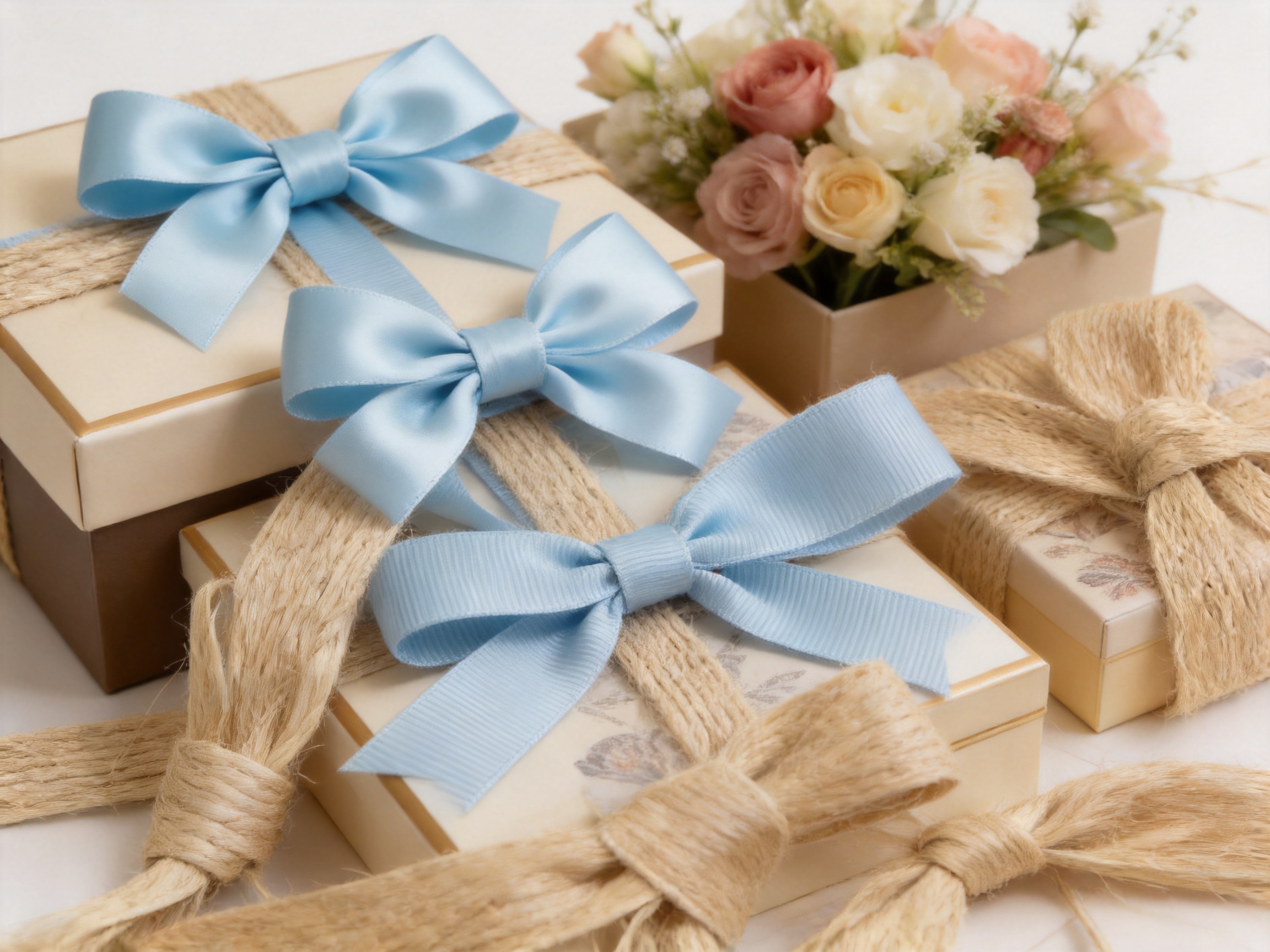
Raffia Bow Accessories are made from polyester ribbon, grosgrain ribbon, and yarn ribbon. The materials can be combined to create a layered, textured, and three-dimensional effect. The bows are handmade and shaped for firmness, helping them remain attractive after handling. They are designed for gift wrapping, box decoration, flower matching, holiday displays, retail presentation, and a wide range of creative projects.
This article examines the product’s materials, construction, visual advantages, applications, quality considerations, customization possibilities, and manufacturing process. It also explains how an experienced integrated manufacturer can provide greater consistency and supply reliability than small-scale or loosely coordinated competitors.
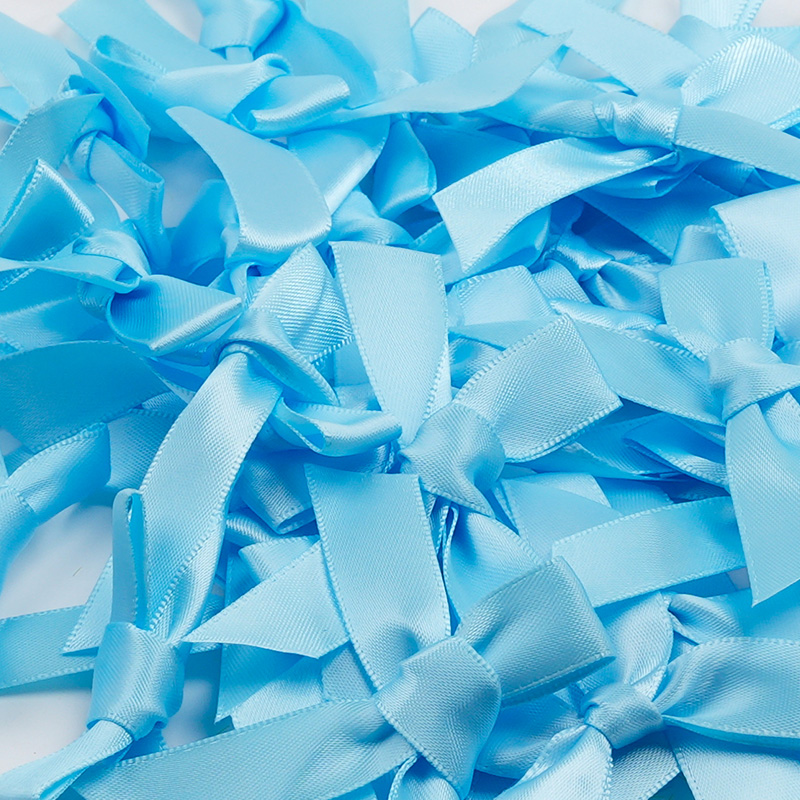
Raffia Bow Accessories
1. What Are Raffia Bow Accessories?
Raffia bow accessories are pre-shaped decorative bows produced from one or more ribbon or yarn-based materials. They are supplied as finished embellishments rather than as loose ribbon rolls, allowing users to decorate products quickly and consistently. Depending on the intended application, a bow may be attached directly to a gift box, placed on a flower bouquet, fixed to a shopping bag, or used as part of a larger decorative composition.
The product described here uses polyester ribbon, grosgrain ribbon, and yarn ribbon. Each material contributes a different visual or tactile quality. Polyester ribbon can provide a smooth surface, clear color expression, and a polished appearance. Grosgrain ribbon adds a ribbed texture and a more substantial hand feel. Yarn ribbon introduces softness, dimension, and a craft-inspired character. When combined carefully, these materials create a bow that is more visually interesting than a single-layer ribbon bow.
The bow structure is designed to be firm and well-shaped. This is important because decorative accessories are often produced, packed, shipped, unpacked, and applied in different environments. A weakly assembled bow may flatten, loosen, fray, or lose its intended proportions. A properly constructed bow preserves its basic form and helps the final package maintain a professional appearance.
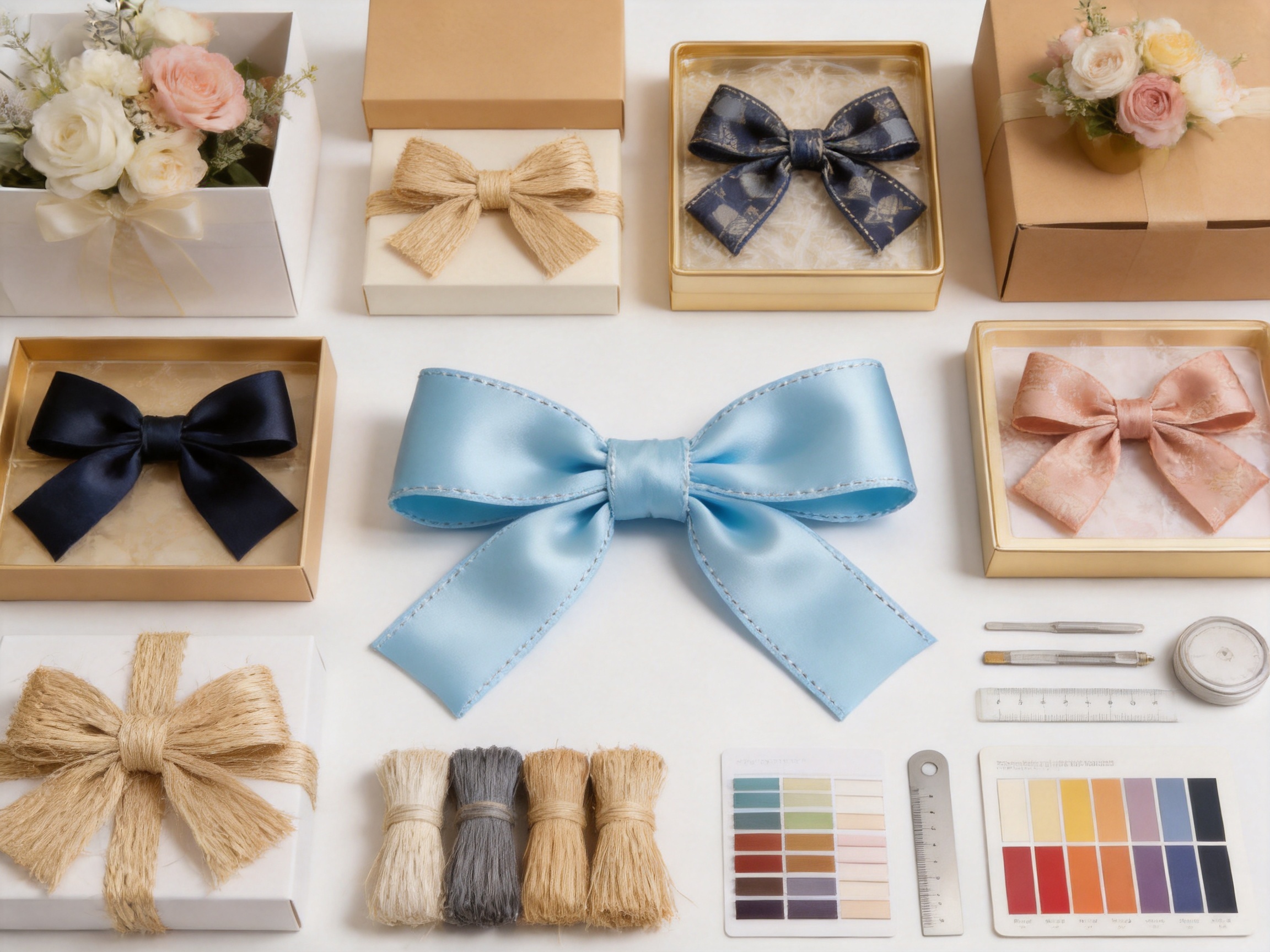
Raffia Bow Accessories are available in classic solid colors, printed designs, and custom tones. This enables buyers to coordinate the accessory with seasonal packaging, corporate color systems, wedding themes, retail campaigns, floral palettes, or private-label collections. The product can therefore serve both standardized high-volume programs and more specialized design requirements.
2. Why Bow Quality Matters in Gift and Floral Presentation
Packaging is often the first physical interaction a customer has with a product. Before the gift is opened, the wrapping communicates care, quality, and occasion. A balanced bow can make a package look complete, while a loose or uneven bow can make even high-quality contents appear less carefully prepared.
In floral presentation, decorative accessories must complement the natural forms of flowers without overpowering them. The bow needs enough structure to remain visible among stems, leaves, paper, and foliage. At the same time, it should be light enough to avoid making the arrangement look crowded or difficult to handle. A combination of smooth, ribbed, and yarn-like textures can help create contrast while preserving a coordinated appearance.
For retail packaging, consistency is especially important. A chain of stores or a major online seller may need thousands or millions of packages to display similar visual standards. Variations in bow size, color, loop proportion, or firmness can create inconsistent product photography and an uneven customer experience. Professional production methods reduce these variations and make the accessory more suitable for repeat purchasing.
Bow accessories also support operational efficiency. Employees do not need to form each bow manually from a roll of ribbon. Finished bows can be selected, positioned, and attached during packing or display preparation. This saves labor, shortens packaging time, and makes the final presentation easier to standardize across multiple locations.
3. Material Structure and Functional Benefits
Polyester Ribbon
Polyester ribbon is valued for its smooth surface, color versatility, and stable appearance. It can present a clean and polished finish that works well with premium gift boxes, retail packaging, cosmetics packaging, and festive products. Polyester also supports a broad range of solid colors and printed patterns, helping designers create collections for different market segments.
The smooth texture makes polyester ribbon suitable for applications where a neat surface and clear visual lines are important. It can provide contrast against textured paper, kraft packaging, corrugated surfaces, or natural-looking decorative materials. When used as part of a layered bow, polyester can function as the visual foundation while other ribbons add depth.
Grosgrain Ribbon
Grosgrain ribbon is recognized by its fine ribbed texture. The ribs create a tactile surface and help the bow look more substantial. Grosgrain is useful when a design requires a balance between classic elegance and practical durability. It is often selected for gift boxes, apparel accessories, floral arrangements, stationery presentation, and seasonal packaging.
The textured surface can also help disguise minor handling marks more effectively than a completely smooth ribbon. In a mixed-material bow, grosgrain introduces a clear visual break between smooth polyester and soft yarn ribbon. This makes the accessory look more dimensional without requiring excessive size or additional decorative components.
Yarn Ribbon
Yarn ribbon provides a softer and more handcrafted appearance. It can make a bow feel warmer, more creative, and more suitable for handmade products, craft packaging, rustic themes, textile goods, and home decoration. Yarn ribbon is particularly useful for buyers who want packaging to communicate authenticity and manual creativity.
When combined with polyester and grosgrain, yarn ribbon can soften the overall design. The result is a decorative accessory that includes both refined and tactile elements. This combination helps the product serve a wider range of applications than a conventional single-material bow.
Combined Material Performance
The main advantage of combining different ribbon types is controlled contrast. Smooth, ribbed, and yarn-like surfaces catch light differently and create visual layers. This gives the bow a more complete appearance while allowing designers to use fewer separate accessories on the package.
Material combinations must be managed carefully. The ribbons need compatible widths, suitable flexibility, and appropriate color relationships. If one material is too rigid or too soft compared with the others, the bow may become unbalanced. Experienced production teams evaluate the behavior of the materials during forming, assembly, compression, storage, and final display.
4. Key Product Advantages Over Basic or Low-Quality Alternatives
Stable Shape and Better Presentation
One of the most important advantages of a professionally made bow is shape retention. Raffia Bow Accessories are handmade with attention to firmness and proportion, helping them remain well-shaped during normal handling. This is preferable to loosely assembled alternatives that may collapse or require extensive reshaping before use.
Shape stability matters in both direct-to-consumer and industrial packaging. A florist may need to attach a bow quickly while preparing several arrangements. A packaging line may need workers to apply decorative pieces without spending time correcting every item. A stable accessory supports faster and more consistent operations.
Three-Dimensional Appearance
Flat ribbon decorations can look simple or incomplete, especially on large gift boxes and prominent retail displays. A three-dimensional bow creates height, volume, and visual movement. Layered materials and carefully formed loops help the bow remain visible from different angles.
The three-dimensional structure also improves product photography. A fuller bow can create highlights and shadows that make packaging look more attractive in catalog images, e-commerce listings, advertising campaigns, and social media content. For brands that depend on visual presentation, this can be a meaningful commercial advantage.
Reduced Risk of Loosening
Loose knots and weakly secured loops can affect the appearance and usability of decorative accessories. A bow that becomes untied or separates during transportation may need to be discarded or repaired. The construction of a firm, handmade bow is intended to reduce the likelihood of loosening during ordinary use.
Reduced loosening also improves the customer experience. A recipient should be able to see a complete and attractive package when it arrives. For retailers and gift suppliers, fewer damaged decorative components can reduce rework, waste, and complaints.
Color and Texture Versatility
Basic alternatives may be offered in only a small number of colors or in one standard material. Raffia Bow Accessories support classic solid colors, printed designs, and custom tones. This allows buyers to develop coordinated collections for different holidays, product categories, seasons, and target audiences.
Color flexibility is especially useful for private-label packaging. A customer may require a specific shade that matches a logo, product box, tissue paper, floral ribbon, or campaign theme. Custom color development can help establish a consistent visual identity across multiple packaging materials.
Flexible Application
Some decorative bows are designed for only one narrow purpose. In contrast, this product can be used for gift wrapping, box decoration, flower matching, craft projects, event styling, home decoration, and retail displays. A broad application range makes it easier for distributors and wholesalers to serve multiple customer groups with one product family.
More Efficient Than Hand-Tied Bows at the Point of Use
Hand-tying bows from loose ribbon can require skill, time, and consistent training. It may also produce variations in loop size and tension. Finished accessories provide a ready-to-use solution. Staff can apply them rapidly, and the appearance is more uniform from one package to the next.
5. Appearance, Texture, and Design Possibilities
Visual design is one of the strongest reasons buyers choose decorative bows. The accessory must coordinate with the package rather than appear as an unrelated addition. Material texture, color, proportion, and finishing all influence the final impression.
Classic solid colors are suitable for everyday packaging, corporate gift programs, retail collections, and simple floral arrangements. Neutral shades can support minimalist designs, while brighter colors can create a festive or youthful impression. Deep colors may communicate luxury or seasonal elegance, whereas light tones can work well for weddings, baby products, spring collections, and delicate floral designs.
Printed ribbons offer additional opportunities for customization. Patterns can be used to support holidays, celebrations, children’s products, promotional events, or themed retail programs. A printed component can be combined with solid grosgrain or yarn ribbon to prevent the design from becoming visually excessive.
Custom tones are valuable for buyers with exact branding or merchandising requirements. A color program may include a primary shade, complementary shades, and seasonal variations. Manufacturers that understand color approval, sample comparison, and batch consistency can help buyers manage these programs more effectively.
Texture is equally important. Smooth polyester gives a clean surface, grosgrain introduces ribbed detail, and yarn ribbon adds softness. This combination allows one accessory to communicate both polish and handcrafted character. It is suitable for packaging that needs to look attractive in photographs while still offering a tactile experience in person.
The proportions of the bow should be selected according to the package or arrangement. A small box may require a compact accessory, while a large gift box or flower bouquet may need larger loops and greater volume. Custom size development allows the bow to remain visually balanced rather than appearing too small or excessively large.
6. Applications Across Different Markets
Gift Wrapping
Gift wrapping is the most direct application. The bow can be placed on paper-wrapped gifts, rigid boxes, gift bags, baskets, and presentation sets. It can be used for birthdays, anniversaries, weddings, holidays, corporate events, and everyday retail sales.
For gift shops, finished bows can be stocked in different colors and sizes so employees can quickly match them to customer preferences. For online sellers, bows can be included as part of premium packaging or optional gift-wrapping services.
Box Decoration
Rigid boxes for cosmetics, jewelry, confectionery, apparel, crafts, and specialty goods can benefit from a decorative bow. The accessory creates an immediate visual focal point and can make a standard box look more suitable for gifting.
Boxes may be decorated individually or in large quantities. In the latter case, consistent bow dimensions and dependable attachment methods are important. Buyers may also request packaging configurations that protect the bows from compression before final use.
Flower Matching
Florists and flower retailers use bows to coordinate bouquets, flower baskets, gift plants, and event arrangements. A bow can repeat a color found in the flowers or create a deliberate contrast. Yarn ribbon is particularly suitable for arrangements with a natural or handmade visual direction, while polyester and grosgrain can support more formal presentations.
The accessory should be selected according to the scale and style of the arrangement. A delicate bouquet may need a smaller bow, whereas a large ceremonial display may require greater volume and stronger visual presence.
Retail and Promotional Displays
Retailers can use bows to decorate shelves, promotional boxes, point-of-sale displays, and seasonal merchandising installations. A coordinated bow program can help a collection appear more unified, especially when multiple products are displayed together.
For promotional campaigns, printed ribbon or custom colors can reinforce the theme. Because the bows are ready to use, retail staff can refresh displays quickly without specialized decorative skills.
Craft and DIY Projects
Craft users can apply pre-made bows to scrapbooking, handmade cards, wreaths, decorative baskets, home accessories, gift tags, and seasonal ornaments. Ready-made accessories reduce the difficulty of creating balanced bows and allow hobbyists to focus on the larger design.
DIY retailers may offer assorted colors, mixed textures, or themed packs. Wholesale buyers can also develop sets for craft stores, workshops, schools, and creative subscription boxes.
Home Decoration and Events
Raffia Bow Accessories can be used in home decoration, party styling, wedding details, holiday ornaments, table displays, and venue decoration. Their compact form makes them easy to distribute across multiple decorative elements while maintaining a coordinated theme.
7. Manufacturing Process and Quality Control
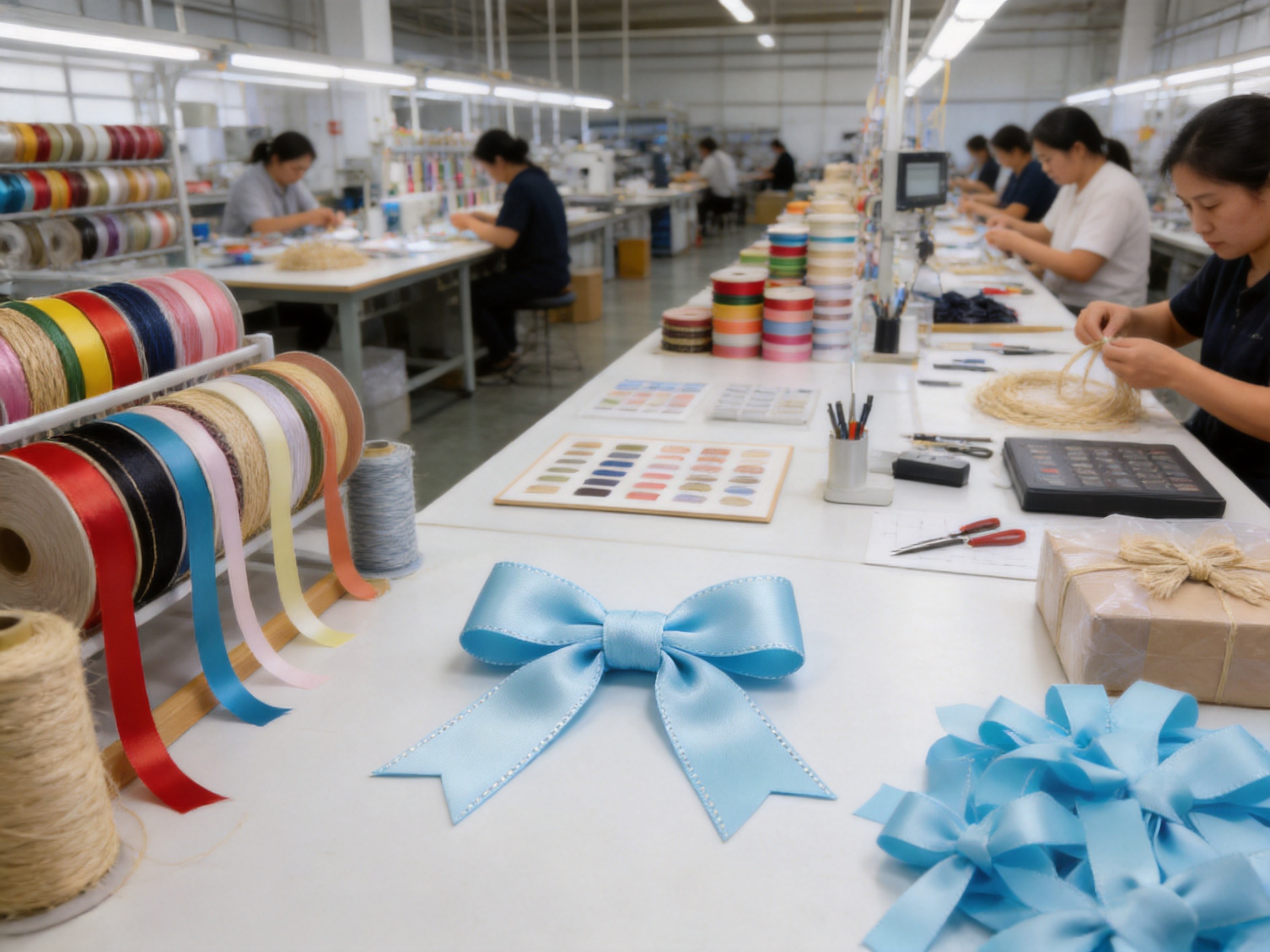
The quality of a finished bow begins well before final assembly. Professional production involves material preparation, ribbon processing, forming, shaping, inspection, packing, and shipment. An integrated manufacturer can coordinate these stages more effectively than a supplier that depends entirely on unrelated subcontractors.
Material Selection and Incoming Inspection
Production begins with the selection of polyester ribbon, grosgrain ribbon, yarn ribbon, colorants, packaging materials, and any supporting components. Incoming materials should be reviewed for width, surface quality, color, texture, strength, and cleanliness.
Material inspection is important because inconsistencies in the ribbon can become visible in the finished bow. Uneven width may affect loop symmetry. Differences in texture may change the appearance of a mixed-material design. Color variation may create problems when accessories are used across a large packaging program.
Slitting and Width Preparation
Ribbon materials may require slitting or width preparation before they can be used for a particular bow design. Accurate processing helps ensure that the components fit together correctly and that the final product meets the required dimensions.
Consistent width also contributes to a cleaner edge appearance. When several ribbons are layered, even small differences can affect alignment and visual balance. Modern production equipment and standardized procedures help reduce these variations.
Twisting, Winding, and Yarn Preparation
Yarn-based decorative materials may require twisting, winding, or other preparation steps to achieve the desired surface and handling characteristics. These processes influence softness, fullness, and the ability of the ribbon to form stable loops.
Controlled winding helps maintain consistent tension and reduces tangling during later production. It also supports more efficient material handling and predictable consumption calculations for large orders.
Bow Forming and Handmade Assembly
The bow is formed by arranging loops, tails, and layered ribbon sections into the specified design. Although production may use standardized tools or fixtures, the product is handmade, allowing operators to manage the character and proportion of each accessory.
Handmade assembly is not the same as uncontrolled manual work. A professional system uses defined dimensions, reference samples, work instructions, and inspection standards. Operators can follow a repeatable process while still handling different ribbon textures and custom designs.
The forming stage must control loop size, center tension, tail length, layering order, and overall symmetry. If these elements are not managed, the bow may look unbalanced or fail to retain its shape. Experienced workers are especially valuable when combining materials with different flexibility and surface properties.
Shape Setting and Firmness Control
After assembly, the bow may require shaping or setting to improve its final form. The objective is to create a well-defined accessory that remains attractive after packing and transport. Firmness should be sufficient for shape retention but appropriate for the intended application.
Shape control is evaluated through visual inspection and handling. Inspectors may check whether the loops open properly, whether the center remains secure, and whether the bow returns to an acceptable form after normal movement. These checks are particularly relevant for export orders that may pass through multiple stages of logistics.
Color and Surface Inspection
Finished accessories should be inspected for color consistency, stains, loose fibers, uneven printing, damaged edges, and other visible defects. Solid-color products must maintain a consistent tone, while printed products should show clear and properly positioned patterns.
Surface inspection is important because a bow is often placed in a highly visible position. Minor defects that might be acceptable in an internal component can be unacceptable in a prominent decorative accessory. Quality teams should therefore judge the product according to its actual display function.
Final Packing and Shipment Preparation
Packaging must protect the bow from crushing, tangling, contamination, and unnecessary deformation. The selected packing method depends on bow size, order quantity, customer requirements, and transportation conditions.
Finished-goods packaging should also support efficient counting and warehouse management. Clear identification of colors, sizes, designs, and batch information helps buyers receive and distribute orders accurately. Careful shipment preparation is especially important for international supply, where products may spend extended periods in transit.
8. Integrated Manufacturing Strengths
Zhejiang Raffia Paper Products Co., Ltd. was founded in 2014 and originated from a craft materials business unit established in 2010. The company developed from a trading enterprise into an integrated manufacturer specializing in crinkle raffia paper shreds and fancy paper yarns. This background gives the company experience in both market requirements and production execution.
The factory is located in Dongyang, Zhejiang Province, and covers a modern 20,000-square-meter production base. More than 200 professional employees support production, quality control, packaging, and related operations. The company reports an annual production capacity of more than 200 million pieces, providing a foundation for both regular wholesale orders and large-scale supply programs.
Its manufacturing chain includes raw material processing, mass production, quality testing, finished-goods packaging, and shipment. This integrated structure can reduce communication gaps between separate suppliers and make it easier to control specifications from the beginning of production through delivery.
The company continues to upgrade equipment and core technologies for slitting, twisting, winding, and compression packaging. These capabilities are relevant to decorative accessories because ribbon and yarn materials must be processed consistently before they are assembled into finished bows.
A standardized production procedure also helps make quality more replicable. For buyers, repeatability is often more valuable than a single attractive sample. A supplier should be able to reproduce the approved appearance across future batches while managing changes in raw materials, production schedules, and order quantities.
The company serves customers in China and exports to Europe, North America, South America, Asia, and other regions. Its products are used in gift packaging, textile knitting, home decoration, and global retail supply chains. This international experience can help the manufacturer understand packaging expectations, documentation needs, shipment planning, and communication requirements for overseas buyers.
| Capability Area | Value for Buyers | Relevance to Bow Accessories |
|---|---|---|
| Integrated material processing | Fewer coordination gaps and better process control | Supports consistent ribbon and yarn preparation |
| Slitting and width control | More reliable dimensions | Helps maintain balanced loops and layered construction |
| Twisting and winding | Stable material handling and appearance | Supports yarn ribbon quality and repeatable forming |
| Handmade assembly with standards | Flexible designs with controlled consistency | Allows mixed textures and custom bow structures |
| Quality testing | Earlier detection of visible and functional defects | Helps control shape, color, firmness, and surface quality |
| Compression packaging | Efficient storage and shipment planning | Supports high-volume order fulfillment when properly specified |
| OEM and ODM service | Product differentiation and private-label development | Enables custom sizes, tones, designs, and packaging |
| Large production capacity | Improved support for repeat and bulk orders | Suitable for retail, packaging, floral, and distribution programs |
9. OEM and ODM Customization Options
Customization is increasingly important in decorative packaging. Buyers may want a bow that matches an existing product line rather than a generic accessory available to every competitor. OEM and ODM services provide a way to develop a differentiated product while using an established manufacturing system.
Custom Size
Custom size development can include overall bow width, loop height, tail length, ribbon width, and the relationship between different layers. The appropriate dimensions depend on the package, box, bouquet, or display where the bow will be used.
A manufacturer can review reference samples, drawings, photographs, or application requirements before preparing a development sample. Buyers should evaluate the bow on the actual intended package whenever possible because visual proportion may change according to the package size and surface color.
Custom Color
Custom color matching may be requested for brand identity, seasonal collections, weddings, events, or coordinated packaging systems. Buyers should establish an approved color reference and consider how the shade appears under different lighting conditions.
Color consistency should be reviewed not only in the ribbon itself but also in the completed bow. Layering different materials can create visual differences even when their nominal colors are similar. A professional manufacturer can help select tones that work together across polyester, grosgrain, and yarn ribbon.
Printed and Themed Designs
Printed components can include repeating patterns, seasonal graphics, decorative marks, or other approved artwork. The design should be evaluated for scale, placement, repeat accuracy, and compatibility with the bow’s final folded structure.
Themed designs may be developed for holidays, celebrations, children’s products, weddings, or special promotions. Combining printed ribbon with solid-color layers often creates a balanced result that remains attractive without becoming overly busy.
Private-Label Packaging
OEM buyers may request custom labels, cartons, inner packing, assortment configurations, or product identification. Private-label packaging can help distributors and retailers build a dedicated product line and manage inventory under their own brand system.
Packaging requirements should be agreed upon before mass production. Important details include quantity per pack, bow orientation, protection against deformation, barcode information, carton dimensions, and shipping marks.
10. Quality Standards Buyers Should Evaluate
When comparing suppliers, buyers should assess more than the appearance of a single sample. A complete evaluation should consider materials, production repeatability, inspection procedures, packaging, lead time, communication, and after-sales handling.
Shape is the first quality factor. The loops should appear balanced, and the bow should maintain its intended form after reasonable handling. A buyer should check whether the accessory becomes flat or distorted after being removed from its shipping package.
Security is another important factor. The center and layered sections should remain sufficiently firm during handling. The buyer can perform a simple movement test to determine whether the loops loosen or separate under normal use.
Color should be reviewed against an approved standard. Buyers should inspect multiple pieces from the same batch and, for repeat orders, compare new production with the previously approved sample. Color differences may result from material changes, dye lots, lighting, or differences between production runs.
Edges and surfaces should be clean. Excessive loose fibers, stains, uneven cuts, damaged ribbon, and visible adhesive marks can reduce the perceived value of the finished package. Inspection criteria should reflect how closely the bow will be viewed by the final customer.
Packaging quality should also be considered. Even a well-made bow can arrive in poor condition if the packing method causes compression or tangling. Buyers should request information about inner packing, carton loading, protection, and recommended storage conditions.
11. Storage, Handling, and Application Recommendations
Decorative bows should be stored in a clean, dry environment away from excessive moisture, direct sunlight, strong odors, and unnecessary pressure. Prolonged compression may affect the shape of some designs, particularly those containing soft yarn ribbon or large loops.
Boxes should not be stacked in a way that places excessive weight on the lower cartons. If the product is supplied in assorted colors or sizes, each assortment should be clearly identified to prevent picking errors during packaging operations.
Before application, users should inspect the bow and gently adjust the loops if needed. Sharp pulling should be avoided because it may distort the center or separate layered components. The method of attachment should be selected according to the package surface and the intended use.
For flowers, the bow should be positioned so it complements the arrangement and does not interfere with stems, water containers, or protective wrapping. For boxes, the accessory should be centered or deliberately offset according to the design concept. For retail displays, repeated placement should follow a consistent layout to create visual order.
12. Sustainability and Responsible Production Considerations
Decorative accessories are increasingly evaluated not only for appearance but also for the responsibility of their production. The product information specifies the use of eco-friendly dye and describes the finished accessory as harmless and odorless under normal intended use. Buyers should still define their own compliance, testing, and documentation requirements for the destination market.
Responsible manufacturing includes efficient material use, organized production planning, controlled waste, appropriate packaging, and reliable quality. Reducing defects is itself a sustainability measure because fewer products need to be discarded or remade. Stable production also helps buyers plan inventory more accurately and avoid unnecessary emergency shipments.
Material selection should be discussed according to the application. Polyester, grosgrain, and yarn ribbons offer different performance and visual characteristics. Buyers seeking specific environmental attributes should communicate those requirements early, including expectations for dyes, packaging materials, recycled content, certifications, or market-specific standards.
A long-term supplier relationship can support continuous improvement. Once a bow design has been approved, production data and customer feedback can be used to refine packaging, reduce material waste, improve shape retention, and simplify application without compromising appearance.
13. How to Choose a Reliable Raffia Bow Supplier
A reliable supplier should be able to explain where the materials come from, how the bow is assembled, how quality is checked, and how finished goods are packed. Clear answers indicate that the supplier has a defined production system rather than relying only on informal manual work.
Production capacity is important for buyers who expect seasonal peaks or repeat orders. A supplier with an established factory, trained employees, standardized processes, and substantial annual capacity is better positioned to support large programs than a small workshop with limited equipment.
Customization capability should also be verified. If the buyer needs custom tones, sizes, printed patterns, or private-label packaging, the supplier should be able to provide a sample-development process and explain how approvals are recorded.
Communication and order management are equally important. The supplier should confirm specifications in writing, identify the approved sample, provide production updates when necessary, and communicate any material or scheduling issue before it affects shipment.
Market experience can provide additional confidence. Zhejiang Raffia Paper Products Co., Ltd. serves domestic and international customers and has supplied products used by major retail, lifestyle, fashion, and consumer brands. Such experience suggests familiarity with demanding visual standards and organized supply requirements, although each buyer should still conduct its own product evaluation and approval process.
| Evaluation Question | Why It Matters |
|---|---|
| Can the supplier provide consistent samples and production batches? | Repeatability is essential for retail and long-term packaging programs. |
| Are multiple ribbon materials available? | Mixed-material construction creates more design and texture options. |
| Is custom color development supported? | Color coordination helps maintain a consistent brand or seasonal identity. |
| Can the supplier develop custom sizes? | Correct proportions improve the appearance of boxes, gifts, and bouquets. |
| How are bows inspected? | Defined inspection helps control shape, color, security, and surface quality. |
| How are finished goods protected during shipment? | Suitable packing reduces crushing, deformation, and handling damage. |
| Does the factory have sufficient capacity? | Capacity supports peak-season orders and repeat supply. |
| Are OEM and ODM services available? | Customization allows buyers to create differentiated products. |
14. Recommended Purchasing Process
A structured purchasing process helps avoid misunderstandings and improves the chance of receiving a product that meets the intended application.
Step One: Define the Application
Identify whether the bow will be used for gift boxes, flower wrapping, retail display, craft sales, event decoration, or another purpose. The application influences size, firmness, material combination, color, and packing method.
Step Two: Share Clear Specifications
Provide dimensions, color references, material preferences, artwork, photographs, estimated order quantity, packaging requirements, and destination-market expectations. The more complete the information, the more accurately the manufacturer can prepare a quotation and sample.
Step Three: Approve a Sample
Evaluate the sample on the actual package or arrangement whenever possible. Check the appearance from different angles, the feel of the materials, the stability of the loops, and the ease of application.
Step Four: Confirm Quality Criteria
Agree on acceptable variation, color references, dimensional tolerances, visible-defect standards, packing quantities, and inspection procedures. These details create a practical basis for evaluating mass production.
Step Five: Plan Production and Shipment
Discuss lead time, order quantity, production sequence, packaging, carton information, and shipping arrangements. Seasonal products should be ordered early because demand may increase significantly before major holidays and events.
Step Six: Review Repeat Orders
After the first shipment, record customer feedback, application issues, packaging performance, and any desired improvements. A long-term development process can gradually improve cost efficiency, appearance, and operational convenience.
15. Frequently Asked Questions
Q1: What materials are used to make the bows?
Raffia Bow Accessories are made from polyester ribbon, grosgrain ribbon, and yarn ribbon. These materials may be used individually or combined to create a layered design with smooth, ribbed, and soft textures.
Q2: Are the bows handmade?
Yes. The bows are handmade and formed to create a firm, well-shaped appearance. Handmade assembly also provides flexibility when producing mixed-material designs and customized structures. Standardized work instructions and inspection procedures help maintain consistency.
Q3: Are the bows suitable for gift boxes?
Yes. Gift wrapping and box decoration are two of the main applications. The three-dimensional structure can make a box look more complete and visually attractive, while the ready-to-use format can reduce the time required for manual bow tying.
Q4: Can the bows be used with flowers?
Yes. They are suitable for flower matching, bouquets, flower baskets, gift plants, and event arrangements. Buyers should select the size, color, and texture according to the scale and visual style of the floral design.
Q5: Are custom colors available?
Custom tones can be developed for suitable orders. Buyers should provide a clear color reference and approve a sample before mass production. The appearance of combined polyester, grosgrain, and yarn ribbons should be evaluated as a complete bow rather than by looking at one material alone.
Q6: Can printed designs be requested?
Printed ribbon options are available according to the product program and design requirements. Buyers should confirm artwork, repeat size, print placement, colors, and the visual result after the ribbon is folded into a bow.
Q7: Can the bow size be customized?
Custom size development is available for appropriate OEM and ODM projects. Buyers may specify overall dimensions, loop proportions, tail length, and ribbon width. The correct size should be determined according to the package, bouquet, or display where the bow will be used.
Q8: How does the product compare with loose ribbon?
A finished bow is ready to apply and provides a more standardized appearance than bows tied manually at the point of use. It can save labor, reduce variation in loop size, and support faster packaging operations.
Q9: How should the bows be stored?
Store them in a clean, dry place away from direct sunlight, excessive moisture, strong odors, and heavy compression. Proper storage helps preserve color, texture, and shape until the accessories are applied.
Q10: What manufacturing capabilities support this product?
The manufacturer operates an integrated production system covering raw material processing, slitting, twisting, winding, handmade assembly, quality testing, compression packaging, and shipment preparation. The company also provides OEM and ODM services for custom sizes, colors, designs, and packaging.
Q11: Is the product suitable for bulk orders?
Yes. The company has a 20,000-square-meter production base, more than 200 professional employees, and an annual production capacity exceeding 200 million pieces. Buyers should still confirm specifications, delivery schedules, and capacity allocation for each project.
Q12: What should buyers check before placing a large order?
Buyers should check the approved sample, material composition, color, dimensions, shape retention, assembly security, packaging method, inspection standard, delivery schedule, and customization details. Testing the bow on the intended package or floral arrangement is recommended.
16. Conclusion
Raffia Bow Accessories combine decorative appeal with practical packaging value. Made from polyester ribbon, grosgrain ribbon, and yarn ribbon, they provide a varied visual and tactile experience that can be adapted to gift wrapping, box decoration, flower matching, retail display, craft projects, and event styling.
The product’s main advantages include a firm handmade structure, a well-shaped three-dimensional appearance, reduced risk of loosening, flexible colors and textures, and ready-to-use convenience. Compared with basic loose ribbon or weakly assembled alternatives, a professionally produced bow can improve presentation consistency while reducing the time and skill required during final packaging.
Manufacturing capability is central to reliable supply. Slitting, twisting, winding, material preparation, forming, shaping, inspection, and packing must work together to produce repeatable results. Zhejiang Raffia Paper Products Co., Ltd. supports this process through an integrated 20,000-square-meter production base, more than 200 professional employees, substantial annual capacity, standardized procedures, quality control, and OEM and ODM services.
For buyers, the best purchasing decision depends on more than color or price. Material quality, shape retention, batch consistency, custom development, shipment protection, production capacity, and communication should all be considered. With clear specifications and an approved sample, Raffia Bow Accessories can become a dependable component of professional gift packaging, floral presentation, retail merchandising, and creative decoration programs.
References
1. Product specification information for Raffia Bow Accessories, including materials, colors, textures, features, applications, and safety information.
2. Company manufacturing profile of Zhejiang Raffia Paper Products Co., Ltd., including factory history, production area, employee scale, manufacturing chain, annual capacity, export markets, and OEM and ODM capabilities.
3. General principles of ribbon construction, decorative packaging design, handmade bow assembly, and quality inspection for gift and floral presentation.
4. General supply-chain considerations for custom packaging accessories, including sampling, color approval, batch consistency, finished-goods packing, and bulk-order management.
5. General storage and handling practices for textile-based decorative accessories used in packaging, floral design, craft applications, and retail display.
Product: Raffia Bow Accessories

 +86 15355323399
 kevin@raffia-paper.com
 No. 151 Guanshan North Road, Dongyang City, Zhejiang Province, China

Copyright © Zhejiang Raffia Paper Products Co., Ltd. All Rights Reserved.

Paper Raffia Yarn & Gift Packaging Factory