
 +86 15355323399
 En
 中文简体
 日本語
 Français
 Español
 Deutsch
 Türk
 عربى
 italiano
 русский
Naturals Sisal Filling Shreds: Sustainable Jute Fiber Packaging Filler for Premium Gift Presentation
As packaging continues to evolve from a purely protective function into an important part of brand communication, companies are searching for materials that combine appearance, cushioning, sustainability and commercial practicality. Naturals Sisal Filling Shreds are designed to meet these requirements in one versatile packaging solution. Made from carefully selected natural jute fibers, the shreds provide a textured and visually appealing alternative to conventional plastic fillers, loose paper, foam pieces and synthetic decorative materials.
The product is suitable for gift box manufacturers, packaging distributors, importers, retailers, brand owners and other professional buyers that require stable quality and scalable supply. Its natural appearance brings warmth and authenticity to premium packaging, while its flexible structure helps stabilize products inside cartons, baskets and presentation boxes. The material can be supplied in natural colors or customized shades, and it can be mixed with paper shreds, glitter shreds or other decorative fillers to create distinctive packaging effects.
For commercial customers, the value of this product extends beyond its appearance. The manufacturing process includes physical opening, combing and precision cutting, helping create more consistent fiber width, texture and cutting length. Vacuum compression packaging is also available to reduce shipping volume and improve warehouse efficiency. Combined with OEM and ODM capabilities, this makes Naturals Sisal Filling Shreds a practical choice for businesses developing sustainable packaging programs, private-label products and long-term wholesale supply arrangements.
Naturals Sisal Filling Shreds
What Are Naturals Sisal Filling Shreds?
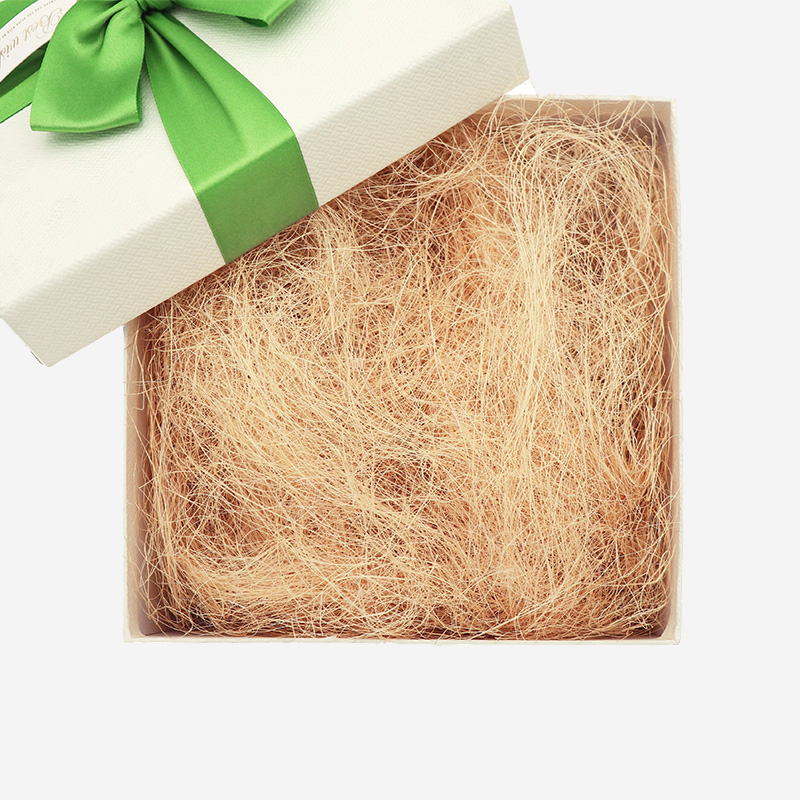
Naturals Sisal Filling Shreds are loose, decorative fiber strips intended for use inside gift boxes, retail packages, hampers, baskets and other forms of product presentation. According to the supplied product specifications, the material is produced from natural jute fiber. The product name refers to its natural sisal-style filling appearance, while the stated raw material is jute. This plant-based fiber is opened, combed and cut into suitable lengths before being packed for commercial distribution.
Unlike flat wrapping paper or rigid internal packaging inserts, fiber shreds create a soft and irregular layer around the product. This layer fills empty space, improves visual presentation and helps reduce movement during handling. The material is particularly useful when the package must look full, carefully arranged and naturally styled without adding excessive weight.
The shreds retain the authentic texture of the natural fiber because no bleaching process is used. This gives them a warm, earthy appearance that works well with kraft boxes, recycled cartons, wooden packaging, woven baskets and other natural-looking presentation materials. Customers can use the natural color for rustic packaging or select eco-friendly dyed colors when a stronger visual identity is required.
From a commercial perspective, Naturals Sisal Filling Shreds occupy an important position between decorative packaging and functional packaging. They are not designed to replace heavy-duty molded protection for fragile industrial products, but they can provide practical stabilization and cushioning for many gift, retail and promotional packages. Their main purpose is to make packaging more attractive while helping keep the contents in place.
Material Composition and Natural Appearance
The primary material is natural jute fiber, a renewable plant-based fiber commonly used in textiles, craft products, agricultural goods and environmentally focused packaging. Jute has a recognizable texture and natural tone that can communicate simplicity, authenticity and responsible sourcing. In contrast with synthetic plastic filler, jute does not create a glossy or artificial visual effect unless it is intentionally combined with another decorative material.
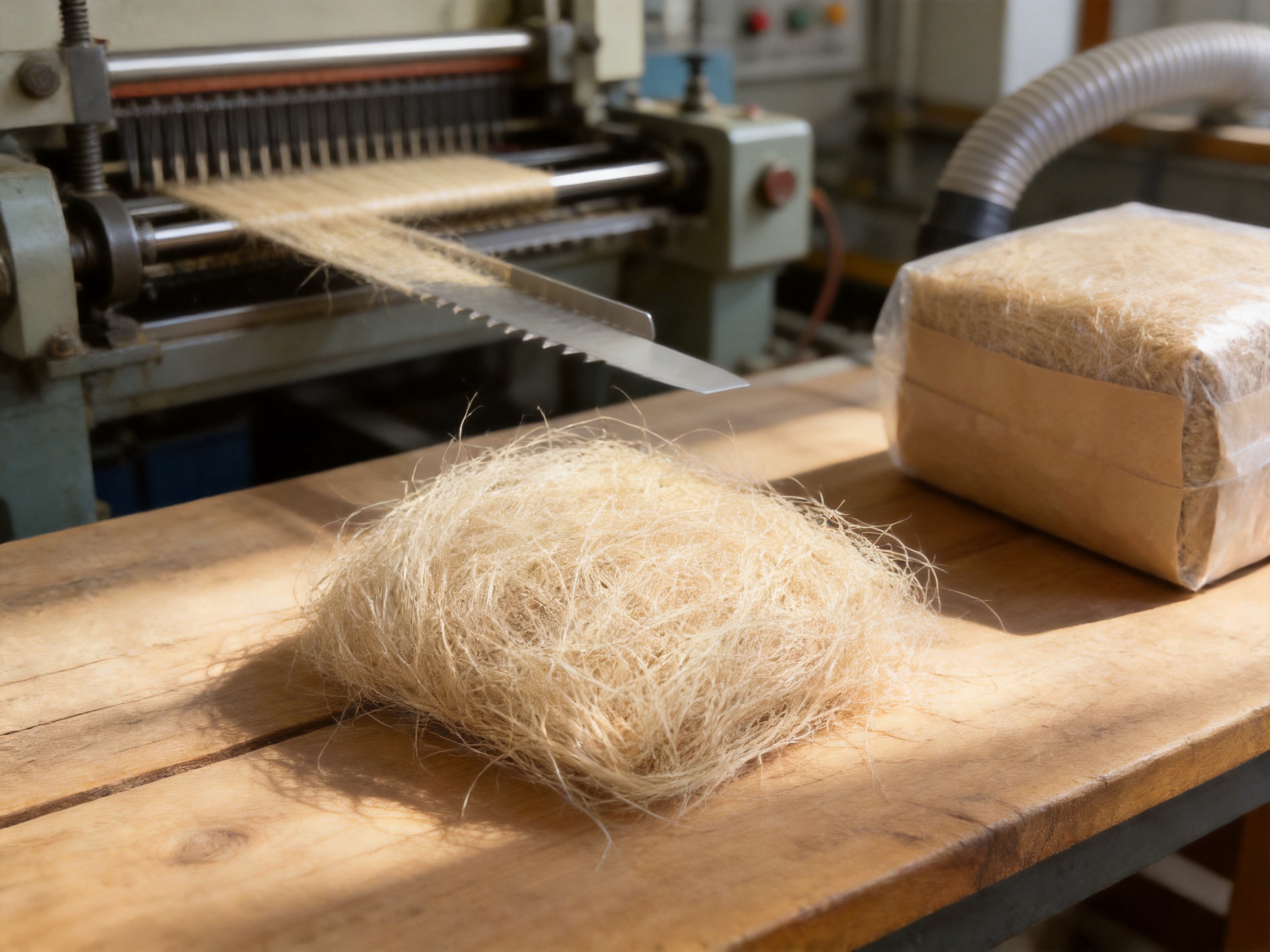
The natural fibers are physically opened before further processing. Opening separates compressed or bundled fibers and helps create a loose structure suitable for filling applications. The fibers are then combed to improve alignment and remove irregular clumps. Precision cutting produces shreds with a more controlled length and width, making the final material easier to measure, distribute and use in production packaging lines.
The supplied specification identifies a standard fiber width of approximately 1–2 millimeters, with customization available. Fiber width, cutting length and fluffiness can all influence the final packaging effect. Fine shreds may create a delicate and lightweight appearance, while a fuller structure can provide more visible volume and stronger space-filling performance inside a box.
No bleaching is applied to the standard natural product. Avoiding bleaching preserves the original color and texture of the fiber and supports the product’s natural positioning. When a customer requires a specific visual identity, eco-friendly dyed colors can be produced, including Pantone-matched colors where project conditions allow. This combination of natural availability and color flexibility allows the same product family to serve both rustic and branded packaging styles.
How the Manufacturing Process Improves Product Performance
Raw Material Selection
Reliable filling material begins with consistent raw material selection. Fibers with excessive contamination, inconsistent thickness or unsuitable moisture conditions can negatively affect appearance and handling. A professional manufacturing system therefore begins by selecting jute fibers appropriate for opening, combing, cutting and packaging. The objective is to create a material that looks uniform enough for commercial packaging while retaining the natural irregularity valued in sustainable presentation.
Raw material selection also affects the color and feel of the finished shreds. A stable natural tone helps customers maintain a consistent appearance across product batches. For dyed products, the condition of the fiber influences color absorption and final shade consistency. Standardized selection supports more predictable results during both natural-color production and customized-color orders.
Physical Opening
Physical opening loosens the fibers without relying on bleaching or aggressive chemical treatment. This stage helps convert compressed raw material into a more suitable filling structure. The opened fiber can expand more effectively, which is important when the product is used to fill empty space in a gift box or basket.
Opening also improves the usability of the material. If fibers remain heavily compacted or tangled, customers may need to spend additional time separating them before filling packages. A properly opened product is easier to portion, arrange and combine with other materials. This is particularly valuable for packaging factories that need to prepare a large number of gift boxes efficiently.
Combing and Fiber Alignment
After opening, the fibers undergo combing. This process helps separate tangled strands, improve general alignment and reduce undesirable clumps. Natural fiber products should not be expected to have the perfectly uniform appearance of extruded plastic, but professional combing can significantly improve consistency without removing the authentic character of the material.
Better fiber separation also supports a more even distribution of volume. When shreds are placed inside a box, combed fibers can spread more naturally around the product. This helps create a balanced appearance and reduces areas that look excessively dense or empty. For retailers and gift box producers, this consistency contributes to a more professional finished presentation.
Precision Cutting
Precision cutting controls the width and length of the filling shreds. This is an important advantage over manually cut or poorly processed natural fiber materials. If cutting is inconsistent, some pieces may be too long and difficult to arrange, while others may be too short to provide sufficient visual volume. Standardized cutting produces a more manageable material for both automated and manual packaging operations.
Customers can request different cutting lengths according to the package format and desired appearance. Smaller boxes may benefit from shorter shreds that remain contained and do not extend excessively beyond the package. Larger baskets, hampers and display boxes may require longer or fuller fibers to create a more substantial presentation. Custom cutting helps the material adapt to different commercial applications rather than forcing every buyer to use one standard format.
Quality Inspection and Packaging
Finished products are inspected before shipment for appearance, color, dimensions and packaging condition. Quality control is especially important for wholesalers and distributors because they may supply the same product to multiple downstream customers. Stable batch quality makes inventory planning easier and reduces the likelihood of complaints caused by visible differences between shipments.
After inspection, the shreds can be packed in vacuum-compressed bags, transparent OPP bags or bulk woven bags. The packaging method is selected according to the order volume, distribution channel and customer requirements. Vacuum compression reduces the material’s shipping volume, while OPP bags are appropriate for retail-ready products, samples and smaller packaging units. Woven bags are more suitable for factories, wholesalers and high-volume buyers.
Key Advantages Over Conventional Packaging Fillers
Natural Alternative to Plastic Fillers
One of the clearest advantages of natural jute shreds is their plant-based composition. Plastic fillers can be visually bright and lightweight, but they are derived from synthetic materials and may not support the sustainability objectives of brands seeking to reduce plastic use. Natural jute provides a different solution by combining decorative value with a renewable fiber source.
For brands communicating an environmental message, the material itself can reinforce the overall packaging concept. A customer opening a kraft gift box filled with natural fiber receives a visual signal that the package has been designed with care and attention to material selection. This effect is difficult to reproduce with brightly colored plastic pieces or generic synthetic foam.
More Authentic Appearance Than Standard Paper Shreds
Paper shreds are widely used and remain a practical packaging option, but natural fiber shreds offer a different surface texture. Jute fibers create a rustic, tactile and slightly irregular appearance that is well suited to handmade products, organic goods, artisan foods and premium gift collections. The visual variation makes the package appear more handcrafted and less industrial.
The natural texture can also complement materials such as kraft paper, cotton ribbon, wood, corrugated board, bamboo, linen and recycled card. When used with these materials, the filler becomes part of a coordinated presentation rather than an isolated internal component. This gives designers more opportunities to create packaging with a clear material story.
Lightweight Space Filling
Many packaging products require an internal material to fill empty space without significantly increasing shipping weight. Jute shreds are lightweight and can expand after removal from compressed packaging. Their fluffy structure provides visible volume while using a relatively small amount of material.
Lightweight filling can help lower the total weight of gift packages, particularly when the package contains several small products. It also makes the finished package easier for customers to handle. Although the shreds are not intended to replace engineered protective systems for heavy or highly fragile goods, they can reduce movement and provide a practical layer of separation for many retail and gift applications.
Flexible Color and Mixing Options
The standard natural color is suitable for eco-friendly, rustic and minimalist designs. However, many commercial customers require colors that match a brand identity, holiday campaign or product collection. Dyed colors and Pantone color matching are available for suitable projects, allowing the filler to become an intentional part of the package design.
Multiple colors can also be combined to create seasonal effects. For example, a gift collection may use coordinated shades for spring, winter, weddings, corporate events or national holidays. Natural jute can be mixed with paper shreds, glitter shreds or other decorative fillers to create contrast between matte, textured and reflective surfaces.
Biodegradable Plant Fiber Positioning
Natural jute is a renewable plant fiber and is biodegradable under suitable disposal conditions. This gives it an important advantage for buyers that are evaluating packaging materials according to their end-of-life profile. Nevertheless, packaging claims should always be made accurately. Actual biodegradation depends on disposal conditions, local waste systems, dyes, coatings and any materials mixed with the shreds.
For this reason, businesses should communicate the product as a natural, plant-fiber and biodegradable packaging option while reviewing their own regulatory and labeling requirements. The supplied product specification states that the product is biodegradable and contains no bleaching process. Compliance documentation, including REACH-related information, can be made available upon request according to project requirements.
Packaging Applications Across Multiple Industries
Gift Boxes and Premium Hampers
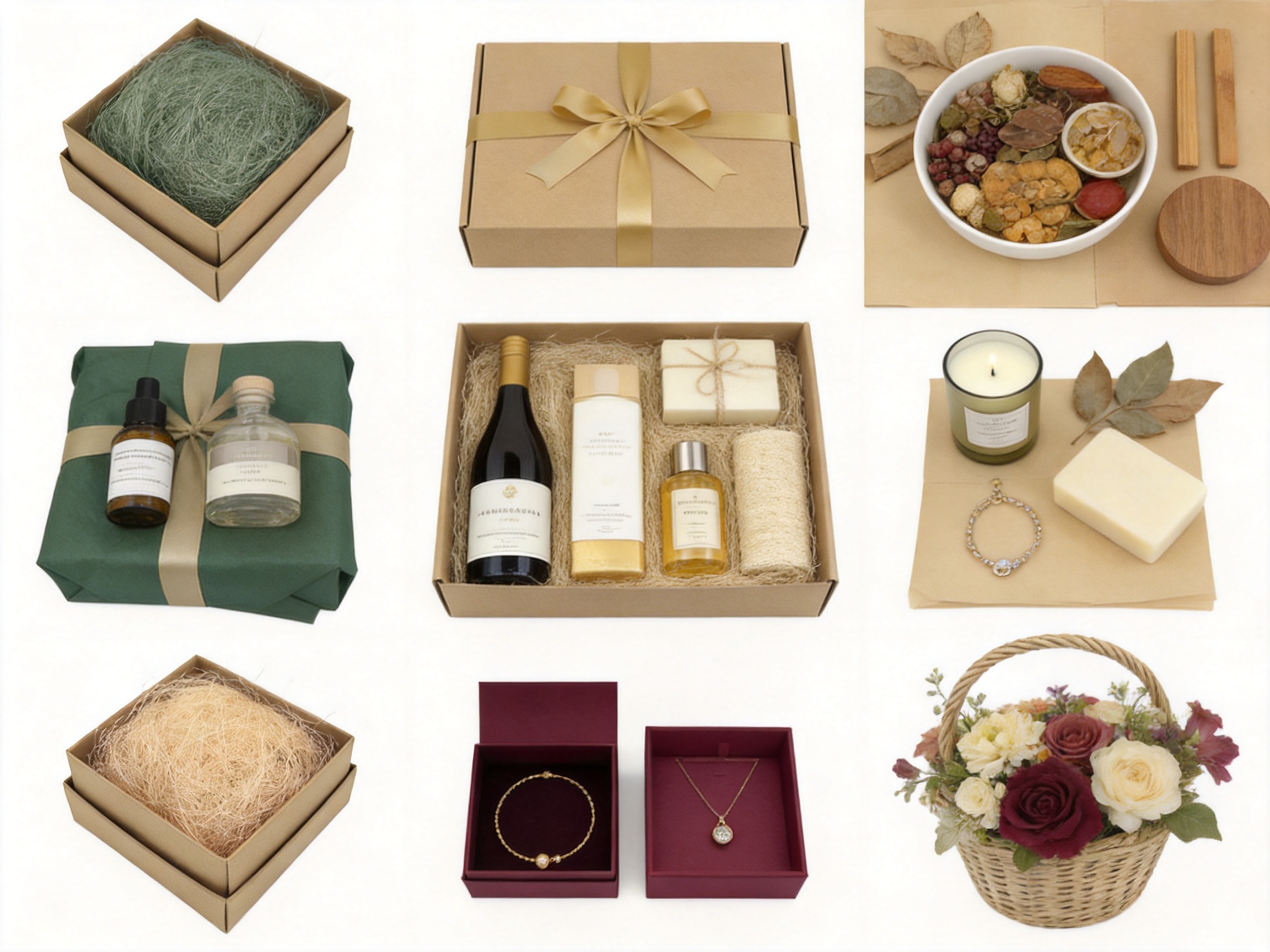
Gift box manufacturers can use Naturals Sisal Filling Shreds as a standard internal filling material for single-product and multi-product packages. The shreds create volume around the contents and help products remain positioned after the box is closed. They are suitable for small gift boxes as well as larger presentation hampers that require a fuller base layer.
For premium hampers, the material can be arranged around wine, food, candles, cosmetics, handmade goods or promotional items. A natural filler helps connect multiple products visually and can make the entire package appear more carefully curated. The product can also be combined with tissue paper, ribbons, labels and printed inserts to create a complete presentation system.
Wine and Spirits Packaging
Wine and spirits companies often use gift packaging during holidays, corporate events and promotional campaigns. Natural jute shreds can help stabilize bottles inside a presentation box while contributing a premium, traditional appearance. The material works particularly well with wood-effect cartons, kraft boxes and natural-color labels.
Because glass bottles are relatively heavy, the correct amount and arrangement of filler should be selected according to the package design. The shreds can help reduce movement, but they should be used together with appropriate structural dividers or bottle supports when required. Their role is to enhance presentation and provide supplementary space filling rather than replace engineered bottle protection.
Food and Gourmet Packaging
Gourmet food hampers, chocolate boxes, tea collections and specialty food gifts can benefit from natural fiber presentation. The earthy color of untreated jute is compatible with organic and farm-to-table brand concepts. It can make a package appear more artisanal and support the visual language of natural ingredients.
For food-related applications, the buyer should confirm whether the product needs direct food-contact approval. In many packages, the shreds are used outside sealed primary food packaging and function only as an external decorative filler. The packaging design should prevent loose fibers from contacting unpackaged food unless the applicable requirements have been specifically evaluated.
Cosmetic and Skincare Gift Sets
Cosmetic packaging companies can use natural shreds to present skincare bottles, soap, bath products, fragrance products and beauty accessories. The contrast between smooth containers and textured fibers creates a more luxurious opening experience. Natural or muted dyed colors can also support clean beauty, botanical and wellness-oriented brand positioning.
For cosmetics, the filler can be used in subscription boxes, influencer packages, holiday gift sets and retail promotional kits. A customized color may be selected to match the primary packaging or a seasonal campaign. When products are individually protected, the jute shreds can create a soft visual base without hiding the labels and product information.
Jewelry and Watch Packaging
Jewelry and watch packaging often requires a carefully controlled visual environment. Natural fiber shreds can be used around rigid product boxes, display trays or secondary gift cartons. They are especially suitable for brands that want to introduce a handmade, ethical or natural concept into their presentation.
Because jewelry surfaces can be sensitive to dust and loose fibers, the package should use suitable inner boxes, pouches or trays. The shreds can then be placed in the outer presentation layer. This arrangement allows the product to benefit from the natural appearance without exposing delicate items directly to unnecessary abrasion or loose particles.
Handmade Soap, Candles and Craft Products
Handmade soap, candles, pottery, craft products and small home décor goods are natural applications for jute filling material. These products often depend on tactile presentation and handcrafted brand identity. The rougher, organic texture of jute supports this positioning more effectively than highly uniform synthetic filler.
Craft sellers and packaging suppliers can use the shreds in individual gift cartons, market display boxes, subscription packages and seasonal bundles. They can also combine the filler with printed paper, twine, fabric ribbon or dried botanical decorations to develop a complete handmade packaging style.
Flower and Floral Gift Packaging
Florists and floral packaging companies can use natural shreds around dried flowers, preserved arrangements, small planters and bouquet accessories. The natural fiber texture can complement stems, leaves and other botanical elements. It can also help fill baskets and boxes where products would otherwise shift during delivery.
For fresh flowers or products exposed to moisture, the packaging design must account for water resistance and ventilation. Jute shreds are most appropriate as a dry decorative element and should not be treated as a substitute for waterproof liners or moisture-control materials.
Corporate Gifts and Promotional Products
Corporate gift suppliers require packaging that can look professional while accommodating different product combinations. Natural jute shreds can be used in employee gifts, client appreciation boxes, event packages, conference kits and promotional collections. Customized colors and private-label packaging can help align the filler with a corporate identity.
The material is also appropriate for e-commerce gift packaging, where the unboxing experience influences customer perception. A package that arrives with a carefully arranged natural filler can feel more premium than one containing loose plastic or poorly fitted internal material. Vacuum compression can help suppliers manage stock before the filler is prepared for final assembly.
OEM and ODM Customization Capabilities
Commercial packaging programs rarely use exactly the same specification for every project. Box size, product weight, branding requirements, shipping conditions and target price can all influence the ideal filler. OEM and ODM services allow buyers to develop a specification around their own packaging system rather than adapting their system to an inflexible standard product.
Material and Color Customization
Customers can select natural jute fiber, natural color or dyed colors according to the intended market position. Natural color is often preferred for sustainable packaging, organic product lines and rustic gift presentation. Dyed colors may be selected for fashion collections, holiday campaigns, children’s products or corporate branding.
Pantone color matching can support projects requiring closer visual control. Customers should understand that natural fibers may display subtle variation compared with smooth synthetic materials, and final color evaluation should be based on approved production samples. Multi-color combinations can also be developed for layered or festive presentation effects.
Fiber Width, Cutting Length and Fluffiness
Fiber width and cutting length affect both appearance and filling performance. Buyers can discuss custom dimensions when standard 1–2 millimeter fiber width is not suitable. A shorter cut may be easier to control in compact boxes, while a longer cut may provide a more dramatic appearance in baskets and larger gift packaging.
Fluffiness is another important variable. A more open structure creates greater volume, while a denser structure may be easier to compress and measure. The appropriate level depends on how the customer intends to pack, transport and display the product. Sampling before mass production is recommended for projects with specific visual or functional requirements.
Mixed Filling Solutions
Natural jute can be mixed with paper shreds, glitter shreds and other decorative materials. A jute-and-paper combination can balance natural texture with greater color uniformity. Adding glitter shreds can produce a festive or luxury effect, while multi-color jute can create a branded visual pattern.
Customers can discuss material ratios according to the desired result. A higher proportion of natural fiber creates a stronger organic appearance, while a smaller proportion can be used as a textural accent. Mixed filling solutions are especially useful for seasonal packaging collections that need different visual levels within one product family.
Packaging and Private Labeling
Available packaging options include vacuum-compressed bags, retail OPP bags, bulk woven bags, custom-weight packs, private-label packaging and custom cartons. A distributor may require neutral bulk packaging for repacking, while a retail supplier may need printed bags with product information and brand graphics.
Private-label packaging enables wholesalers and packaging companies to sell the material under their own brand. Custom cartons can be developed for export shipments, warehouse organization and retailer requirements. Packaging decisions should consider compressed volume, unpacking method, storage conditions, transport distance and local labeling regulations.
Manufacturing Strengths of the Supplier
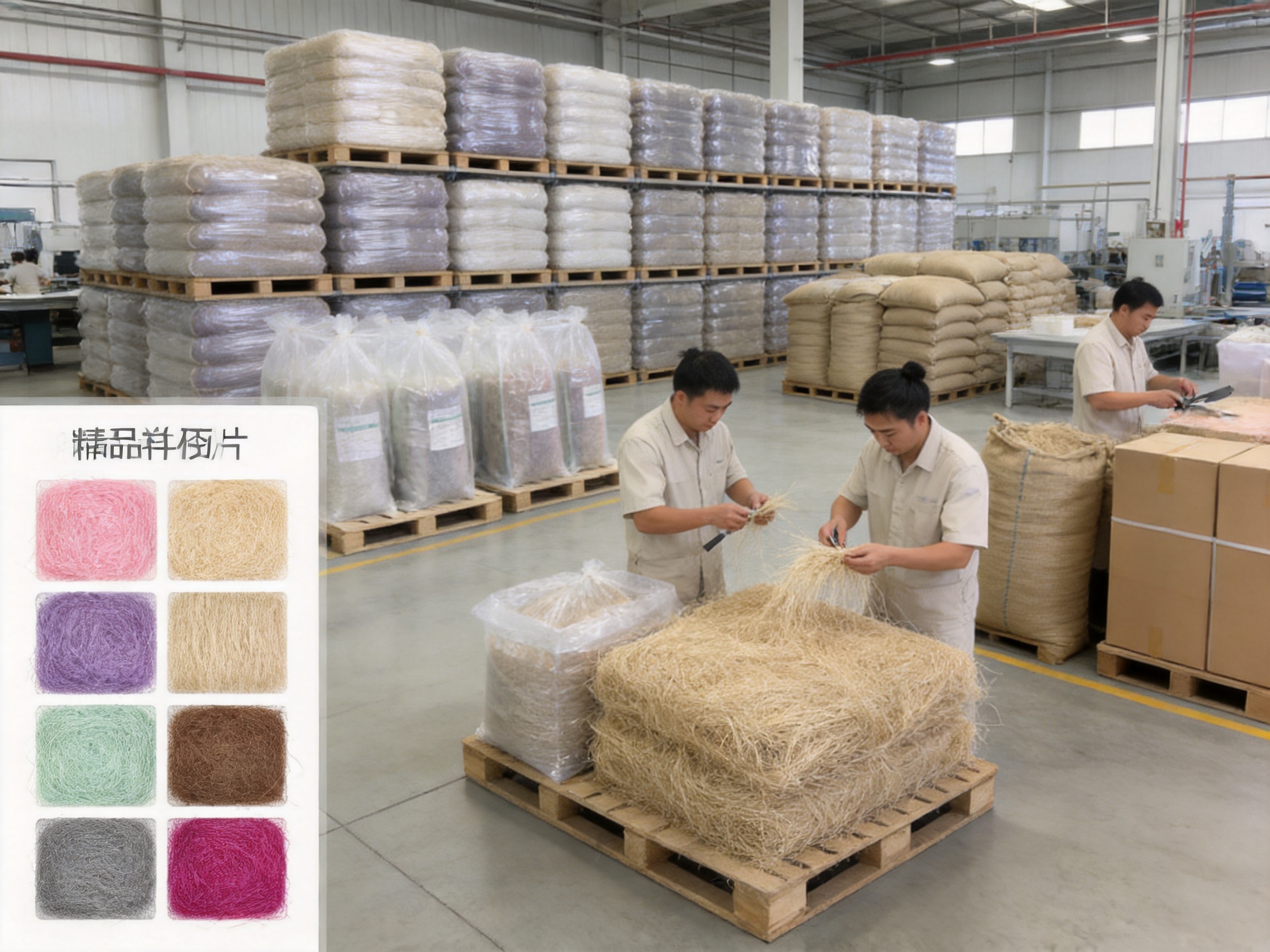
The supplier behind this product has developed from a craft materials business unit into an integrated manufacturer of raffia paper products, paper yarns and decorative packaging materials. The company’s manufacturing base is located in Dongyang, Zhejiang Province, and covers approximately 20,000 square meters. More than 200 professional employees support production, quality control, packaging and related operations.
An integrated production structure provides several advantages for buyers. Raw material processing, mass production, quality testing and finished-goods packaging can be coordinated within one manufacturing system. This reduces dependence on multiple subcontractors and helps the supplier control production schedules, specifications and batch consistency more effectively.
The company operates equipment and processes for slitting, twisting, winding and compression packaging, in addition to the physical opening, combing and cutting processes required for natural fiber filling shreds. Experience with related paper raffia and decorative material products also supports product development across multiple packaging categories.
According to the supplied company information, annual production capacity exceeds 200 million pieces. This scale is important for wholesalers, importers and brand owners that require reliable long-term supply. Large production capacity does not eliminate the need for project-specific planning, but it provides a stronger foundation for repeat orders, seasonal demand and multi-market distribution.
Standardized operating procedures and a replicable quality control system help maintain consistency between batches. For commercial packaging buyers, this is often more important than a single low-price shipment. A supplier that can repeat the same fiber appearance, color, packaging format and delivery performance is better positioned to support a stable product line.
Quality Control for Commercial Packaging Buyers
Natural materials naturally contain some variation, but commercial buyers still require clear quality standards. A suitable inspection system should consider raw material appearance, fiber width, cutting length, fluffiness, color, foreign matter, packaging weight and overall cleanliness. These factors influence how easily the filler can be used and how consistent the final gift package appears.
Physical combing and precision cutting help establish a more controlled baseline. During production, operators and quality personnel can monitor whether the material is sufficiently opened, whether the shreds are cut within the agreed range and whether the color matches the approved sample. Finished products can then be inspected before shipment.
Customers should define acceptance criteria during the sample stage. Important points may include acceptable natural color variation, target package weight, compressed size, fiber dimensions, dye shade, odor requirements and the presence of mixed materials. Clear specifications reduce misunderstandings and make quality evaluation more objective for both buyer and supplier.
For export orders, buyers may also request documentation related to material composition, compliance and packaging. The supplied information indicates that REACH documentation may be available upon request, with other standards considered according to project requirements. The exact documentation required depends on the destination market, application and customer’s own compliance program.
Packaging, Storage and Logistics Advantages
Loose fiber products can occupy significant volume if they are shipped without compression. Vacuum-compressed packaging reduces the space required during transportation and storage. This can improve container utilization, reduce warehouse volume and potentially lower freight costs for international shipments.
After opening, the fibers can recover volume according to their structure and handling conditions. Buyers should test the expansion behavior during sampling so that they can calculate the correct quantity per gift box. Storage should take place in a clean, dry environment away from excessive moisture, direct contamination and sources of ignition.
Vacuum bags are suitable for export and bulk shipments because they protect the product from dust and help control volume. Transparent OPP bags are useful for retail-ready products, sampling and e-commerce distribution. Heavy-duty woven bags provide an efficient option for large-volume industrial buyers that do not require individual retail packaging.
Packaging format also influences labor efficiency. A factory assembling gift boxes may prefer larger bulk units for rapid access, while a distributor selling smaller quantities may need pre-weighed retail bags. Custom weights and private-label formats can help align the filler with the customer’s inventory and sales process.
Comparison with Alternative Filling Materials
| Filling Material | Main Strengths | Typical Limitations | Position of Natural Jute Shreds |
|---|---|---|---|
| Natural jute filling shreds | Plant-based appearance, lightweight volume, customizable colors, biodegradable fiber positioning and natural texture | Natural variation may occur; not intended to replace heavy-duty protective inserts | Suitable for sustainable, premium and handcrafted gift presentation |
| Paper shreds | Wide color range, easy printing and familiar packaging use | May lose shape, produce paper dust or provide a more conventional appearance | Can be used alone or mixed with jute for greater texture |
| Plastic crinkle filler | Very lightweight, vivid colors and strong volume | Synthetic composition and weaker sustainability positioning | Natural jute offers a renewable-fiber alternative |
| Foam pieces | Low weight and basic impact resistance | Less decorative, synthetic and difficult to align with natural packaging concepts | Jute provides better visual and tactile appeal for gift packaging |
| Wood wool | Natural appearance and strong rustic character | Can be stiff, sharp or more difficult to use with delicate products | Jute offers a softer, lighter and more flexible fiber presentation |
This comparison shows that no single filler is ideal for every application. Paper may be preferable when printing, uniform color or low material cost is the primary objective. Foam or engineered inserts may be necessary for products requiring stronger impact protection. However, natural jute shreds offer a balanced combination of decorative texture, light cushioning, sustainable positioning and customization flexibility.
How to Select the Right Specification
The first factor is package size. A small jewelry or cosmetic box usually requires a controlled amount of shorter, finer filler, while a large hamper may require longer or fuller fibers. Customers should evaluate how much material is needed to create the desired visual volume without covering the product label or making the package difficult to close.
The second factor is product weight and fragility. Lightweight products such as soap, stationery, accessories and small crafts can often be stabilized with a relatively simple layer of jute shreds. Heavier products, bottles and fragile containers may require dividers, trays or molded supports in addition to the filler.
The third factor is brand presentation. Natural color supports a quiet, organic and handmade style. Dyed colors create stronger visual identity and can coordinate with logos, ribbons and printed cartons. Mixed materials are appropriate when the customer wants to combine natural texture with seasonal sparkle, contrasting colors or a more luxurious effect.
The fourth factor is distribution. Retail-ready products may require OPP bags, printed labels and smaller weights. Industrial users may prefer bulk woven bags. Export customers should consider compressed dimensions, container loading, moisture protection and the time required to restore the material before final packing.
The fifth factor is compliance and product-contact use. Buyers should determine whether the filler will touch food, cosmetics or other regulated products directly. If direct contact is possible, additional assessment may be necessary. In many cases, the filler is placed outside sealed primary packaging, but the final application should always be reviewed by the responsible buyer.
Recommended Purchasing Process for Wholesale Buyers
A professional purchasing process begins with a detailed product brief. The brief should identify the application, target color, fiber width, cutting length, approximate quantity per package, required packaging format, annual demand and destination market. Providing photographs or physical samples of the intended gift box can help the manufacturer recommend a suitable structure.
The next step is sample development. Customers should inspect the material after opening from compressed packaging and evaluate its appearance inside the actual package. It is useful to test several quantities because the visual difference between a light layer and a full presentation can be significant. Samples should also be checked during shipping simulation or ordinary handling.
After sample approval, the buyer and supplier can confirm the production specification, color standard, packaging weight, labeling, carton information, compliance documents and lead time. For custom-dyed products or mixed materials, a written approval sample is especially important. This helps ensure that later production remains aligned with the original expectation.
For repeat orders, historical specifications should be retained and used as a reference. Stable records can simplify reordering, reduce approval time and support consistent appearance across seasonal campaigns. Forecasting is recommended for holiday products because demand for gift packaging materials may increase sharply during peak periods.
Common Challenges and Practical Solutions
Replacing Synthetic Filler
Businesses replacing plastic filler often worry that a natural material will not create enough volume or visual impact. The solution is to select the correct fluffiness and cutting length, then evaluate the material after decompression. Natural jute can provide substantial visible volume when properly opened and distributed.
Maintaining Consistent Appearance
Natural fibers may display slight variation, which is part of their authentic character. To maintain commercial consistency, the buyer should establish an acceptable range for color, length, width and density. Standardized processing, precision cutting and batch inspection help keep variations within an agreed level.
Managing Freight Volume
Loose filler can be expensive to transport if it is not compressed. Vacuum packaging addresses this issue by reducing shipping volume. Buyers should compare compressed carton dimensions, shipping weight and recovery volume before finalizing the package format. This calculation can help identify the most economical balance between packaging density and ease of use.
Creating Premium Presentation Without Excessive Complexity
Some packaging designers add too many materials, colors and decorative elements, making assembly slow and inconsistent. Natural jute shreds can provide a strong visual foundation with relatively little design complexity. A simple kraft box, one ribbon and a controlled layer of natural filler may create a more coherent result than a package containing many unrelated decorative components.
Meeting Sustainability Expectations Accurately
Customers increasingly ask for biodegradable or environmentally responsible packaging. Natural jute supports these goals, but claims should reflect the complete packaging system. If the filler is mixed with synthetic glitter, plastic bags or non-biodegradable coatings, the overall disposal profile may differ. Buyers should communicate the material characteristics accurately and confirm local requirements before making environmental claims.
Why the Product Supports Long-Term Brand Value
Packaging affects how customers judge product quality before they use the product itself. A natural fiber filler can create a more considered opening experience, especially when it is matched with the identity of the product. Handmade goods appear more authentic, organic products appear more aligned with their positioning and premium gifts appear more carefully prepared.
The material can also support repeatable branding. A company may use natural color for its standard range, a branded color for corporate orders and mixed seasonal shades for holiday campaigns. Because the supplier supports custom colors, dimensions, packaging and private labels, buyers can develop a recognizable filler program instead of sourcing an unrelated material for every project.
Long-term value also depends on supply reliability. A visually attractive material is not useful if it cannot be replenished when required. Integrated production, quality inspection, multiple packaging formats and large-scale manufacturing provide a stronger basis for repeated wholesale supply. These capabilities help packaging companies plan product launches, retailer programs and seasonal orders with greater confidence.
Q&A: Frequently Asked Questions
What are Naturals Sisal Filling Shreds made of?
The supplied specification identifies the material as natural jute fiber. It is processed by physical opening, combing and precision cutting. The standard product does not use a bleaching process.
Why is the product called sisal filling if the specification lists jute?
The product name describes its natural fiber filling style, while the technical information identifies natural jute as the actual material. Buyers should confirm the final material description on quotations, samples and compliance documents before placing a production order.
Are the shreds biodegradable?
Natural jute is a renewable plant fiber and is biodegradable under suitable disposal conditions. The final disposal characteristics may be affected by dyes, packaging, coatings or other materials mixed with the shreds, so the complete packaging system should be evaluated.
What colors are available?
The product is available in its natural color and in eco-friendly dyed colors. Pantone color matching, brand-exclusive colors, seasonal colors and multi-color combinations can be discussed for customized projects.
Can the fiber width and cutting length be customized?
Yes. The standard fiber width is approximately 1–2 millimeters, and custom fiber width, cutting length and fluffiness can be developed according to the package design and production requirements.
Can natural jute shreds be mixed with other fillers?
Yes. The product can be mixed with paper shreds, glitter shreds, multi-color jute or other decorative fillers. Custom material ratios can be considered during sample development.
Can the shreds protect fragile products?
The shreds help fill empty space, stabilize products and reduce movement. They are suitable as decorative and supplementary cushioning material, but they should not automatically replace dividers, trays or engineered protective inserts for heavy or highly fragile goods.
What packaging options are available?
Available formats include vacuum-compressed bags, transparent OPP bags, bulk woven bags, custom-weight packs, private-label packaging and custom cartons. The best option depends on the order quantity, sales channel, storage conditions and shipping method.
Is private-label packaging available?
Yes. OEM and ODM services include private-label packaging, custom cartons, customized product specifications, color development and packaging design support.
Which businesses typically purchase this product?
Typical buyers include gift box manufacturers, packaging distributors, wholesalers, importers, retail packaging companies, wine packaging suppliers, cosmetic packaging manufacturers, jewelry packaging suppliers, floral packaging companies, promotional product suppliers and brand owners.
Can the supplier handle large-volume orders?
The supplier operates an integrated production and packaging system with substantial manufacturing capacity. Large-volume orders and long-term wholesale programs can be discussed according to product specifications, packaging requirements and delivery schedules.
What information should be provided when requesting a quotation?
Buyers should provide the intended application, estimated order quantity, natural or dyed color, desired fiber dimensions, packaging format, private-label requirements, destination country and expected delivery schedule. A product or gift box sample is helpful when a customized recommendation is needed.
Is compliance documentation available?
The supplied information indicates that REACH documentation may be available upon request, with other standards considered according to project requirements. Buyers should identify destination-market requirements before placing an order.
Conclusion
Naturals Sisal Filling Shreds provide a practical way to combine sustainable material positioning, attractive presentation and light internal cushioning. Made from natural jute fiber and processed through physical opening, combing and precision cutting, the shreds retain an authentic plant-fiber appearance while offering improved consistency for commercial packaging operations.
The product is suitable for gift boxes, wine packaging, gourmet hampers, cosmetics, jewelry, candles, handmade products, floral packaging, corporate gifts and e-commerce presentation. Its natural color supports rustic and eco-conscious designs, while dyed shades, Pantone matching, custom dimensions and mixed-filler solutions give professional buyers greater creative flexibility.
Compared with plastic fillers, the material offers a more natural and biodegradable fiber-based positioning. Compared with ordinary paper shreds, it provides a distinctive tactile texture and handcrafted appearance. Compared with stiffer natural fillers, its lightweight and flexible structure makes it easier to arrange around many retail and gift products.
For buyers, the manufacturing strengths behind the product are equally important. Integrated production, standardized processing, precision cutting, quality inspection, vacuum compression, flexible packaging and OEM and ODM services support both small development projects and long-term wholesale supply. By selecting the appropriate specification and establishing clear quality criteria, packaging companies and brands can use natural jute filling shreds to create attractive, practical and more environmentally responsible packaging programs.
References
1. Product specification sheet for Natural Jute Filling Shreds, including material, fiber width, color, processing method, packaging options and customization information.
2. Manufacturer-provided company profile describing manufacturing facilities, production capacity, equipment, quality control procedures and OEM and ODM capabilities.
3. General technical principles for natural jute fiber processing, including physical opening, combing, cutting, compression packaging and storage.
4. General packaging design guidance for gift boxes, retail presentation, internal cushioning, product stabilization and sustainable material selection.
5. General environmental guidance concerning renewable plant fibers, biodegradability, disposal conditions and accurate sustainability communication.
6. General commercial packaging practices for wholesale procurement, sample approval, private labeling, batch quality management and export logistics.
Product: Naturals Sisal Filling Shreds

 +86 15355323399
 kevin@raffia-paper.com
 No. 151 Guanshan North Road, Dongyang City, Zhejiang Province, China

Copyright © Zhejiang Raffia Paper Products Co., Ltd. All Rights Reserved.

Paper Raffia Yarn & Gift Packaging Factory