
 +86 15355323399
 En
En  中文简体
中文简体 日本語
日本語 Français
 Español
 Deutsch
 Türk
Türk عربى
عربى italiano
 русский
Raffia Flower Decorations: A Complete Guide to Quality, Manufacturing, Applications, and Custom Packaging Solutions
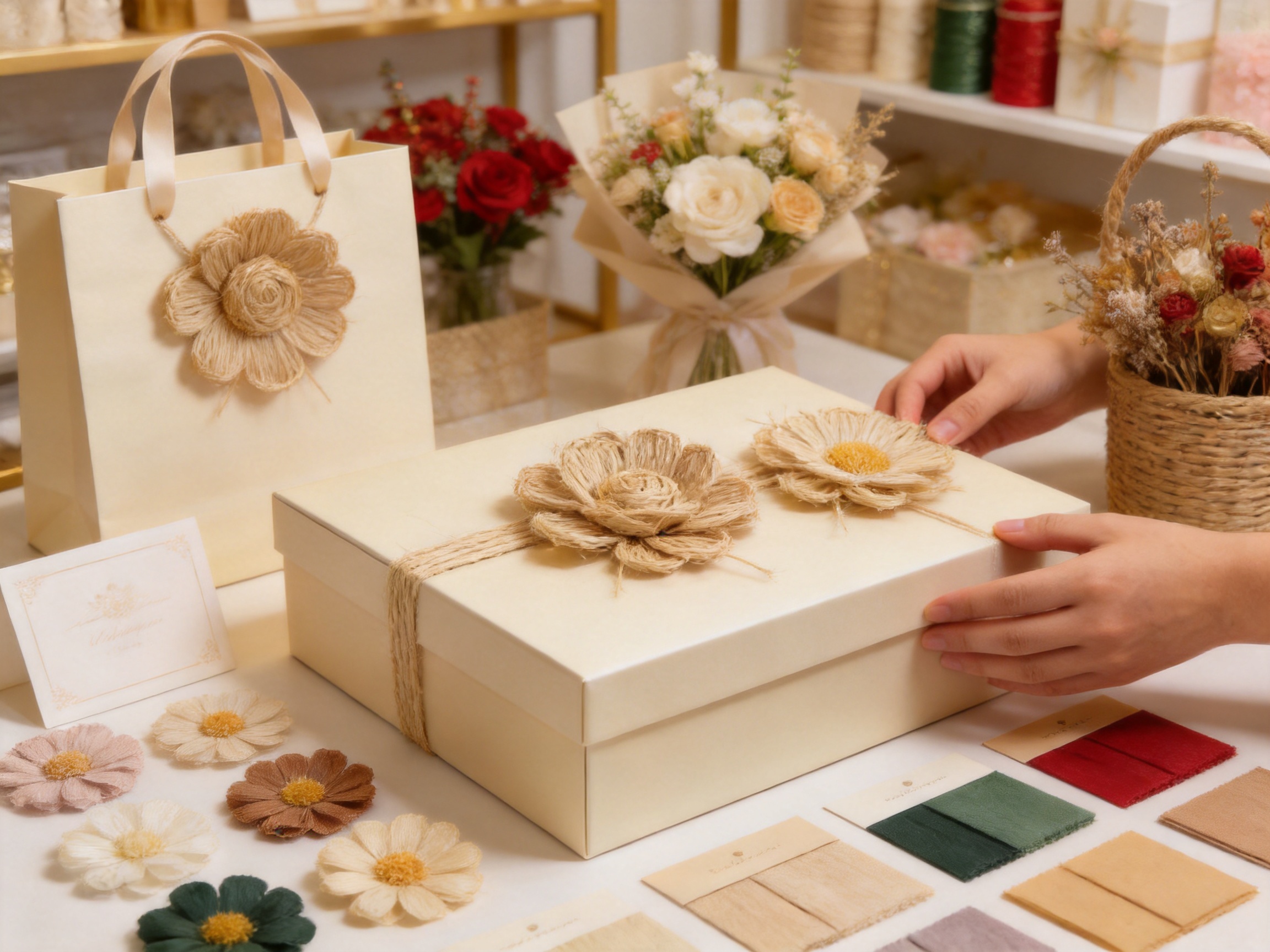
Raffia flower decorations are a practical and attractive way to add texture, color, and a handmade character to gift packaging, floral arrangements, wedding details, seasonal displays, and creative craft projects. Designed with stereoscopic petals and a soft, natural appearance, these decorative flowers combine the visual appeal of traditional handmade embellishments with the consistency required for commercial packaging and wholesale supply.
Unlike ordinary flat paper flowers or low-quality decorative pieces that lose their shape during storage and transportation, well-manufactured raffia flower decorations are developed with carefully selected cloth, non-woven fabric, and yarn materials. Their layered construction gives the petals a three-dimensional appearance, while professional finishing helps the flowers remain attractive and stable during handling.
This article examines the structure, advantages, production process, quality standards, customization options, and commercial applications of raffia flower decorations. It also explains why a specialized manufacturer with integrated production capabilities can offer greater consistency, flexibility, and supply reliability than general trading companies or small workshops.
What Are Raffia Flower Decorations?
Raffia flower decorations are three-dimensional floral accessories made from combinations of cloth, non-woven fabric, and yarn. They are designed to resemble natural flowers while providing the durability, color consistency, and convenient handling needed for packaging and decorative use.
The product is characterized by stereoscopic petals rather than a completely flat surface. This raised structure creates more visual depth and allows the decoration to stand out from a gift box, bouquet, shopping bag, greeting card, or display arrangement. Depending on the selected materials and construction method, the flower may have a soft textile appearance, a lightly crinkled texture, or a layered handcrafted style.
These decorations are especially suitable for projects that require a warm, natural, and artisanal visual effect. They can be combined with raffia paper, paper yarn, ribbons, gift boxes, wrapping paper, twine, dried flowers, and other decorative accessories. Because the product is lightweight, it can add a premium appearance without significantly increasing the weight of the finished package.
The standard color direction is based on natural and fresh tones. However, customized color matching is available for customers who need decorations coordinated with a brand identity, product collection, seasonal campaign, wedding theme, or retail display.
Key Product Features
Three-Dimensional Petal Structure
The most important visual characteristic of raffia flower decorations is the stereoscopic petal design. Petals are arranged to create volume and a natural blooming effect. This structure offers a stronger decorative presence than flat die-cut shapes, especially when the flower is attached to the top of a gift box or placed in a floral composition.
The three-dimensional construction also creates light and shadow across the surface. Under retail lighting, event lighting, or natural light, these variations make the decoration appear more dynamic and refined. The result is a gift accessory that looks more carefully produced and more valuable than a simple printed or flat paper embellishment.
Soft and Delicate Texture
Cloth, non-woven fabric, and yarn provide a soft petal texture. This tactile quality is important for gift packaging because customers often notice not only the appearance of a package but also the way it feels in the hand. A soft decorative flower can make a package feel more personal, comfortable, and handmade.
The delicate surface is appropriate for wedding packaging, boutique gift wrapping, cosmetics presentation, craft products, and home decoration. It can also be used where a natural textile effect is preferred over glossy plastic accessories or rigid synthetic ornaments.
Natural and Fresh Color Appearance
Natural fresh colors allow raffia flower decorations to fit a wide range of packaging styles. Neutral colors can support minimalist, eco-inspired, and rustic designs, while brighter colors can be used for holidays, birthdays, children’s products, and promotional campaigns.
Color customization is an important advantage for commercial buyers. Coordinated colors help retailers and brands create a consistent visual identity across gift boxes, wrapping paper, paper bags, product tags, and seasonal displays. Custom color matching can also reduce the need to combine decorations from several suppliers with visibly different shades.
Durability During Handling
Decorative accessories must remain presentable during manufacturing, packing, transportation, storage, and final presentation. Raffia flower decorations are designed to be durable and resistant to falling apart or losing their shape under normal handling conditions.
The combination of suitable materials, stable petal construction, and controlled production procedures helps reduce common problems such as loose components, crushed petals, irregular forms, and premature deformation. This is particularly valuable for wholesale orders, where inconsistent quality can create rework, customer complaints, and unnecessary packaging costs.
Safe Contact and Non-Toxic Coating
The product uses a non-toxic coating and is intended for safe contact in normal decorative applications. This feature is relevant for gift packaging, craft activities, holiday projects, and retail products where the decorative element may be handled frequently.
Buyers should still select the appropriate specification for each application. If a decoration will be used with food packaging, children’s products, or highly regulated goods, the buyer should confirm all applicable material and compliance requirements before placing a large order.
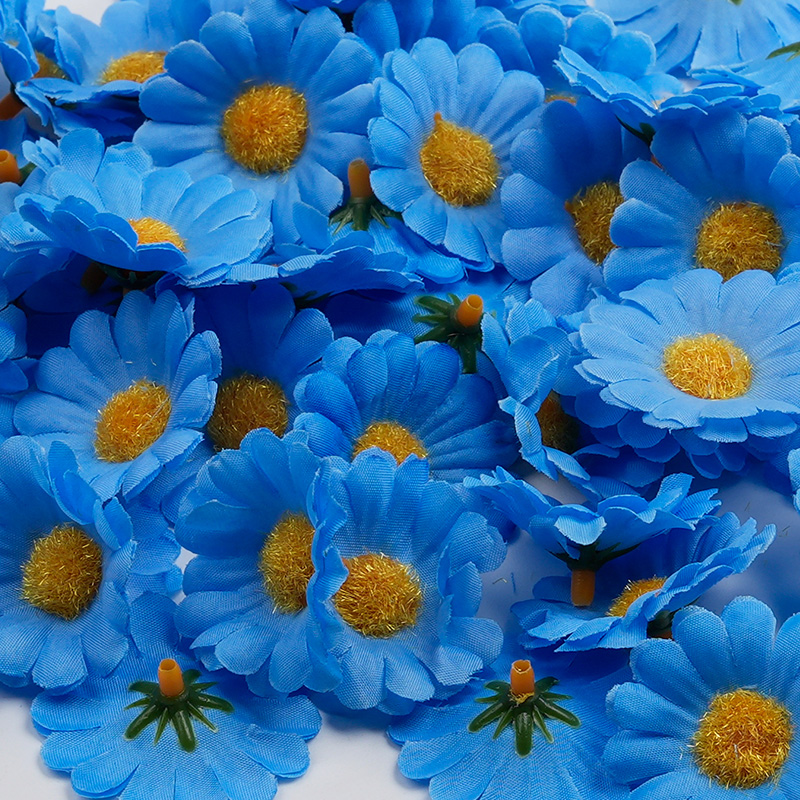
Raffia Flower Decorations
Advantages Compared with Ordinary Decorative Flowers
More Dimensional Than Flat Paper Accessories
Flat paper flowers may be economical, but they often have limited visual depth. They can look acceptable on printed cards or simple craft projects but may not provide enough impact for premium gift packaging. Raffia flower decorations use raised petals to create a fuller and more realistic appearance.
The dimensional structure is especially effective on plain packaging. A simple kraft box, white gift carton, or neutral paper bag can gain an immediate decorative focus when finished with a carefully selected raffia flower. This allows brands to achieve a sophisticated result without using complex printing, expensive surface treatments, or oversized packaging components.
Warmer Than Plastic Decorative Accessories
Plastic flowers and synthetic ornaments can offer bright colors and rigid shapes, but they may create a colder or more mass-produced impression. Cloth, non-woven fabric, and yarn provide a softer visual language that is better suited to handmade products, natural brands, boutique retail, and environmentally conscious packaging concepts.
The textile-based appearance can communicate care and craftsmanship. For customers purchasing gifts, this emotional quality may be just as important as the physical decoration itself. A flower that looks soft and handcrafted can help make the entire product presentation feel more thoughtful.
More Consistent Than Uncontrolled Handmade Production
Small handmade workshops may create attractive flowers, but their output can vary considerably from batch to batch. Differences in petal size, color, material thickness, assembly, and shape can make it difficult for a brand to maintain a consistent appearance across thousands of packages.
Professional manufacturing uses standardized procedures, controlled equipment, repeatable material preparation, and quality inspection. This provides a better balance between handmade visual appeal and commercial consistency. Customers can retain a natural decorative style while reducing unacceptable variation in bulk orders.
More Flexible for Custom Projects
General-purpose decorative products are often limited to a small number of colors and standard sizes. A specialized manufacturer can support more flexible development, including exclusive color combinations, custom dimensions, packaging methods, and brand-specific product programs.
Custom development is useful for fashion brands, cosmetics companies, wedding planners, gift wholesalers, florists, department stores, event agencies, and distributors. It also helps businesses launch seasonal collections without changing their entire supply chain.
Suitable for Multiple Product Categories
A single decoration can serve several market segments. It may be used in gift packaging, floral art, wedding arrangements, holiday packaging, home decoration, craft kits, and retail accessories. This versatility helps buyers purchase one product family for different projects instead of sourcing unrelated decorative components from multiple suppliers.
Raffia flower decorations can also be combined with products such as raffia fancy yarn, raffia filler, raffia paper, decorative cords, wrapping paper, and other gift packaging materials. Coordinating several materials through one specialized supplier can improve color matching and simplify procurement.
Materials and Construction
Cloth Components
Cloth contributes softness, flexibility, and a textile-like appearance. It can be selected in different thicknesses and colors according to the required visual effect. A lighter fabric may create delicate petals, while a more structured fabric can help produce fuller flowers with stronger form retention.
Cloth is also useful for projects that require a premium tactile quality. When customers open a gift or handle a decorated package, the fabric surface provides a more substantial and refined impression than a thin printed sheet.
Non-Woven Fabric
Non-woven fabric is valued for its uniform structure, light weight, and suitability for shaped decorative components. It can be processed into consistent petal forms and combined with other materials to create layered designs.
Its stable surface makes it suitable for high-volume production. When correctly selected and processed, non-woven fabric helps achieve repeatable results while keeping the finished decoration light enough for packaging use.
Yarn Material
Yarn introduces visual lines, softness, and surface detail. It can be used as part of the flower structure or as an accent that adds a more handcrafted appearance. Different yarn textures may produce different levels of volume and decorative richness.
The use of yarn also connects the product visually with other raffia-based packaging materials. This creates opportunities for coordinated packaging systems in which flowers, cords, fillers, and wrapping materials share a similar texture or color direction.
Layered Petal Assembly
The petals are arranged in layers to achieve a stereoscopic form. Proper assembly is essential because the position and tension of each layer affect the final appearance. If the layers are too loose, the flower may look incomplete; if they are too tight, the petals may become compressed or lose their natural openness.
Professional production controls the assembly process so that the flowers maintain a balanced shape. This is one of the areas where manufacturing experience has a direct effect on finished-product quality.
Advanced Manufacturing Capabilities
Zhejiang Raffia Paper Products Co., Ltd. has developed from a craft materials business unit established in 2010 into an integrated manufacturer with more than ten years of industry experience. The company was formally founded in 2014 and has continued to expand its capabilities in raffia-based products, fancy paper yarns, decorative accessories, and gift packaging materials.
Its manufacturing system is supported by a modern production base of approximately 20,000 square meters in Dongyang, Zhejiang Province. More than 200 professional employees participate in production, processing, quality control, packaging, and order support. This scale allows the company to manage both standard products and customized commercial projects.
Integrated Material Processing
An integrated manufacturing chain begins with material processing and continues through mass production, quality testing, finished-goods packing, and shipment. This structure provides greater control than a supply model that depends heavily on multiple external workshops.
When material preparation and final assembly are managed within a coordinated production system, it becomes easier to track specifications, identify problems, and maintain consistent quality. It also reduces the risk that different suppliers will interpret the same color, texture, or size requirement differently.
Slitting and Material Preparation
Slitting is an important capability in raffia paper and yarn production. It involves preparing wider material into controlled widths suitable for later processing. Accurate slitting contributes to stable dimensions, uniform winding, and consistent appearance.
For decorative flower production, careful material preparation helps ensure that the cloth, non-woven fabric, and yarn components are suitable for assembly. Consistency at this early stage supports better performance in later forming and packaging operations.
Twisting and Winding Technology
Twisting and winding are core processes used in the production of raffia-based yarns and related materials. Twisting can improve structure, visual texture, and handling performance, while controlled winding helps maintain organized material rolls or bundles.
These capabilities are valuable for customers who want decorative flowers coordinated with raffia cords, paper yarns, or fancy yarn products. A manufacturer experienced in twisting and winding can better understand the relationship between material tension, surface appearance, and final product stability.
Compression Packaging
Compression packaging helps optimize storage and transportation. Decorative materials are lightweight but can occupy significant volume if packed inefficiently. Controlled compression can reduce unnecessary space while protecting the product from excessive movement during shipment.
Packaging must be balanced carefully. Too much compression may affect the flower shape, while insufficient protection may allow products to shift or become damaged. An experienced manufacturer can select suitable packing methods for the product structure, order quantity, transportation route, and customer requirements.
Standardized Production Procedures
Standardized production procedures make it easier to repeat a design across multiple batches. They can cover raw material preparation, color checking, petal forming, assembly, shape adjustment, inspection, counting, and packing.
Standardization does not mean that every decoration must appear artificial or identical. Instead, it establishes acceptable ranges for important features while preserving the soft and natural character of the product. This is particularly important for buyers who want a handcrafted look with reliable wholesale quality.
Strict and Replicable Quality Control
A replicable quality control system helps identify defects before shipment. Relevant inspection points may include material condition, color consistency, petal integrity, flower size, assembly strength, surface cleanliness, shape retention, and packaging quantity.
Quality control is especially important for export orders because products may be handled by several logistics providers before reaching the customer. A decoration that looks acceptable at the factory may still be vulnerable if its construction is weak. Inspection and appropriate packing reduce this risk.
| Quality Area | What Should Be Checked | Commercial Benefit |
|---|---|---|
| Material | Cloth, non-woven fabric, and yarn condition, texture, and cleanliness | Improves appearance and reduces material-related defects |
| Color | Shade consistency and alignment with approved samples | Supports brand identity and coordinated packaging |
| Petal Form | Three-dimensional structure, layering, and opening | Creates a fuller and more attractive decorative effect |
| Assembly | Connection strength and resistance to loose components | Reduces breakage during handling and use |
| Shape Retention | Resistance to deformation during normal storage and transport | Improves presentation at the point of sale |
| Packaging | Counting, protection, labeling, and packing arrangement | Supports efficient receiving and inventory management |
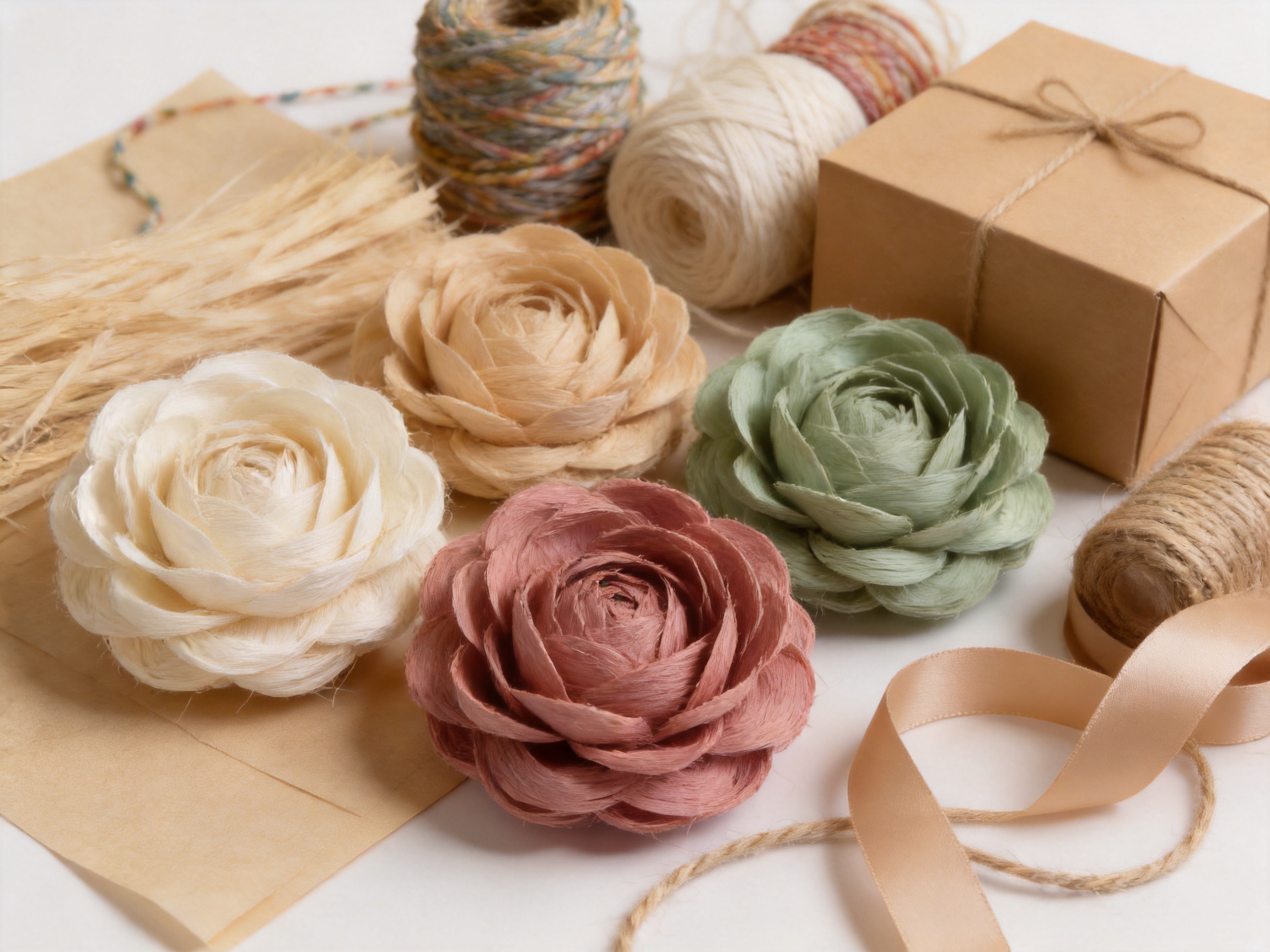
Manufacturing Scale and Supply Strength
Annual production capacity exceeding 200 million pieces demonstrates the company’s ability to support large-scale commercial supply. Capacity is important for businesses that need reliable replenishment, seasonal volume, or coordinated deliveries to multiple markets.
Large capacity alone does not guarantee quality, but when it is combined with standardized processes and professional inspection, it can provide meaningful supply advantages. Customers are less likely to experience sudden production limitations when orders increase, and they can plan promotional campaigns with greater confidence.
The factory’s location in Dongyang, Zhejiang Province, places production within one of China’s important manufacturing regions. The company serves customers throughout China and exports to Europe, North America, South America, Asia, and other regions. Experience across different markets can help a supplier understand varied packaging expectations, order procedures, and product presentation requirements.
The company has supplied products used by well-known brands and retailers, including Costco, IKEA, LOKLIK, Disney, Lancôme, Chanel, Dior, and Primark. Such market exposure indicates experience in serving customers that require stable quality, professional communication, and dependable delivery. Buyers should still confirm project-specific specifications and quality requirements for every order.
OEM and ODM Customization
Exclusive Brand Customization
Brand customization allows a customer to develop a decorative flower that reflects its own visual identity. This may involve a signature color, a special combination of materials, a unique petal arrangement, or packaging printed with the customer’s information.
Exclusive decoration designs can help a brand become more recognizable. When customers repeatedly see the same floral accessory on gift boxes, seasonal packages, or retail displays, the decoration can become part of the overall brand experience.
Custom Size Development
Different packaging formats require different flower sizes. A small jewelry box may need a compact accessory, while a large gift hamper or event display may require a fuller and more prominent decoration.
Custom size development makes it possible to maintain correct visual proportion. A flower that is too large may cover important product information or make a package difficult to stack. A flower that is too small may disappear against the packaging surface. Size should therefore be selected according to box dimensions, attachment position, shipping method, and desired visual impact.
Color Matching
Color matching can be based on physical samples, established color references, seasonal palettes, or brand guidelines. Buyers should approve a production sample because the appearance of a color may change according to material type, surface texture, lighting, and photography conditions.
Custom color programs are especially useful for holidays and annual campaigns. A manufacturer may help prepare coordinated colors for Christmas, Valentine’s Day, weddings, spring collections, autumn promotions, or limited-edition gift sets.
Packaging Customization
Finished raffia flower decorations may be packed in bags, boxes, bundles, or other formats according to customer requirements. Packaging can be adjusted for retail sales, wholesale distribution, workshop kits, or direct use in a customer’s own assembly line.
Clear counting and labeling are important for commercial buyers. Properly organized packaging makes it easier to check incoming goods, store inventory, and distribute products to different production or retail locations.
Long-Term Bulk Order Supply
Long-term supply programs require more than a single successful sample. They depend on stable raw material sourcing, repeatable processes, documented specifications, production planning, and communication between the customer and manufacturer.
A factory with integrated capabilities can support repeat orders more effectively because the product information can be retained and applied across production cycles. This is useful for brands that need the same decoration throughout a year or want to renew the product seasonally with controlled changes.
Applications in Gift Packaging
Gift Boxes
Raffia flower decorations can be attached to the lid, front panel, ribbon, or handle of a gift box. They create an immediate focal point and can make a simple box appear more carefully finished.
They are suitable for personal gifts as well as commercial packaging for cosmetics, clothing, accessories, specialty foods, candles, handicrafts, and promotional items. Their lightweight structure helps preserve the convenience of the package while improving its appearance.
Wedding Packaging
Wedding favors, invitation boxes, bridal gifts, guest souvenirs, and table arrangements often benefit from soft and romantic decorative details. Raffia flower decorations can be matched to wedding colors, floral themes, venue decoration, or invitation design.
Neutral ivory, natural, pastel, and fresh botanical colors can create an elegant atmosphere. Customized shades can also be used for coordinated wedding palettes, including blush, sage, lavender, champagne, blue, or other selected tones.
Holiday Packaging
Seasonal packaging requires strong visual impact and efficient preparation. Decorative flowers can be used for Christmas gift boxes, Easter baskets, Valentine’s Day packages, Mother’s Day gifts, birthday sets, and spring or autumn collections.
Because the product can be customized in color and size, it can support different holiday themes without requiring a completely new packaging structure. A standard gift box may be refreshed simply by changing the flower color, yarn accent, or supporting wrapping material.
Floral Art and Bouquets
Raffia flower decorations can be integrated into floral art, handmade bouquets, wreaths, baskets, and decorative centerpieces. They can be used alone as a focal element or combined with dried flowers, paper flowers, foliage, raffia filler, and natural fibers.
Their soft texture makes them suitable for arrangements that aim to combine handmade warmth with a stable decorative form. Florists and craft designers may also use them as accents when natural flowers are unavailable or when a long-lasting component is required.
Retail Displays and Merchandising
Retail displays often depend on small decorative details to create a coordinated visual environment. Raffia flower decorations can be attached to shelves, baskets, packages, product cards, or display fixtures.
For boutiques and gift stores, the flowers can reinforce a natural, artisan, seasonal, or premium theme. Their lightweight construction also makes them easy to reposition during store changes or campaign updates.
DIY and Craft Projects
Craft enthusiasts can use the flowers for scrapbooking, card making, handmade gift wrapping, school projects, decorative boxes, photo props, and home decoration. Since the flowers are ready-made, they save time compared with forming every petal from raw fabric or paper.
Craft kit suppliers may purchase them in assorted colors or develop customized sets for specific creative projects. Organized assortments can help customers create coordinated designs without needing to source several types of material separately.
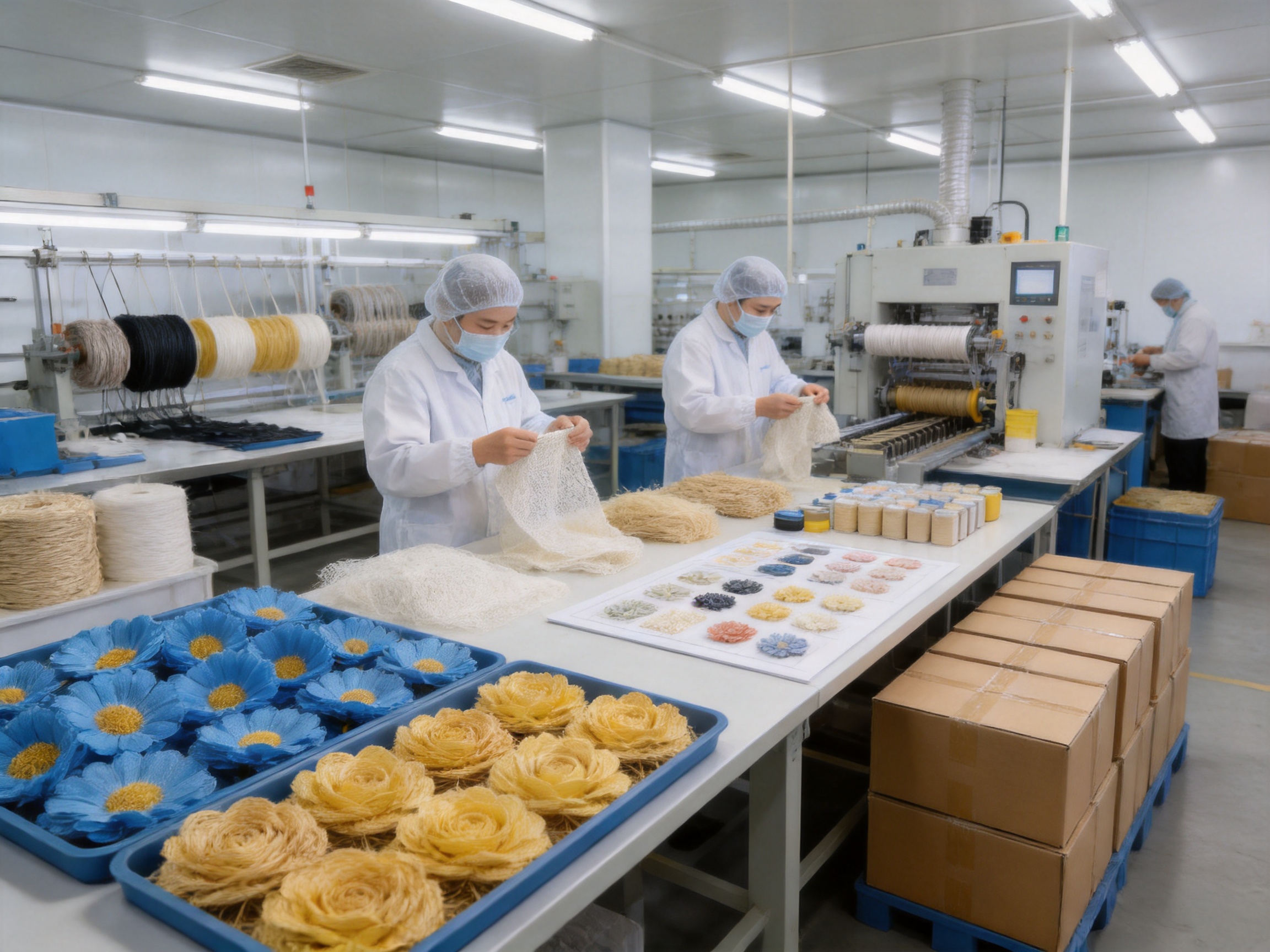
How to Choose the Right Raffia Flower Decoration
Consider the Packaging Size
The flower should be proportionate to the package. For small boxes and cards, compact flowers are usually more practical. Larger flowers may be appropriate for gift baskets, large cartons, shopping bags, or display pieces.
Buyers should also consider the placement area. A lid with a narrow ribbon may require a smaller base, while a broad box surface may accommodate a more open and layered design.
Match the Material to the Product Style
Cloth creates a soft textile impression, non-woven fabric supports a clean and stable decorative form, and yarn adds surface texture. A combination of these materials can provide a richer appearance.
For rustic packaging, natural-looking materials and muted shades may be suitable. For luxury packaging, customers may prefer refined color matching and more delicate construction. For children’s or festive products, brighter colors and fuller petals may create greater appeal.
Check Color Coordination
The flower should work with the box, wrapping paper, ribbon, logo, and product itself. Contrasting colors can create a strong focal point, while similar colors can produce a calm and coordinated appearance.
It is recommended to assess color under the lighting conditions where the product will be displayed. Textile surfaces can reflect light differently from smooth paper or plastic, so a physical sample is often more reliable than a screen image.
Confirm Shape Retention Requirements
If the product will be shipped over long distances or stored for several months, shape retention should be discussed before production. The manufacturer can advise on suitable material combinations, assembly methods, inner protection, and packing arrangements.
Customers should explain whether the flowers will be shipped flat, compressed, bundled, or already attached to finished packaging. This information helps the supplier recommend a suitable production and packing method.
Define Order and Quality Requirements Clearly
Before confirming an order, buyers should specify color, size, material, quantity per package, individual packing requirements, labeling, carton details, inspection standards, and delivery schedule. Clear specifications reduce misunderstandings and make production easier to repeat.
For customized projects, an approved sample or reference standard should be retained by both parties. This provides a practical basis for evaluating future batches.
Quality Control from Raw Material to Shipment
Reliable decorative accessories require control at every stage of production. Inspection should begin with incoming materials and continue through processing, assembly, final checking, and shipment preparation.
Incoming Material Inspection
Cloth, non-woven fabric, yarn, and related materials should be checked for color, thickness, texture, cleanliness, and visible damage. Materials that do not meet the agreed specification can cause uneven petals, inconsistent color, or weak assembly.
In-Process Inspection
During production, operators and quality personnel can check petal form, layering, attachment, and overall appearance. Early inspection is more efficient than discovering large quantities of defective products at the final packing stage.
Finished Product Inspection
Finished flowers should be inspected for loose components, abnormal deformation, color differences, surface stains, incomplete petals, and other visible defects. Sampling procedures may be used for high-volume orders, while more detailed inspection may be arranged for special projects.
Packing and Shipment Checks
Final checks should confirm product quantity, packaging condition, labels, carton information, and shipping instructions. Well-organized packing helps protect the flowers and reduces receiving errors after delivery.
A complete quality system supports the customer’s own operations. It reduces sorting work, protects the consistency of finished packages, and helps the buyer maintain a professional appearance in retail and wholesale channels.
Sustainability and Responsible Packaging Considerations
Many buyers are seeking decorative materials that support more responsible packaging concepts. Cloth, non-woven fabric, yarn, and paper-based accessories can offer a softer alternative to heavily plastic-focused decoration systems, depending on their exact composition and disposal requirements.
Raffia flower decorations can contribute to a natural packaging style when used with paper boxes, kraft paper, raffia paper, paper yarn, and other fiber-based materials. The overall environmental performance of a package depends on all components, including coatings, adhesives, inks, packaging bags, and transport materials.
Customers should request accurate information about material composition, coatings, packaging, and applicable certifications when environmental claims are important to their market. Responsible communication avoids unsupported claims and helps brands provide more transparent product information.
The company emphasizes eco-friendly concepts and the development of green supply chains. Its manufacturing focus on paper raffia yarn, raffia paper, DIY cords, fancy yarns, gift packaging materials, and decorative accessories supports customers that are developing handmade, natural, and fiber-based product lines.
Why Work with an Integrated Manufacturer?
Fewer Supply Chain Complications
Working with one experienced manufacturer for coordinated decorative materials can simplify purchasing and communication. Buyers may be able to source flowers, raffia filler, fancy yarn, wrapping paper, and related accessories through one production partner.
This can reduce the number of separate samples, purchase orders, inspection arrangements, and delivery schedules. It can also make color coordination easier because related products are developed within the same manufacturing network.
Better Production Visibility
An integrated factory can provide clearer information about material preparation, production progress, quality inspection, and packing status. This visibility is valuable for seasonal orders with strict launch dates.
It also supports faster problem solving. If a material needs adjustment or a size must be changed, the production team can evaluate the effect across several connected processes instead of relying on unrelated external suppliers.
Stronger Customization Support
OEM and ODM services are more effective when the supplier understands both the product and the manufacturing process. A specialized manufacturer can help evaluate whether a proposed color, size, texture, or packaging method is practical for mass production.
This practical knowledge helps customers avoid designs that look attractive in a single prototype but are difficult to produce consistently or pack efficiently at commercial volume.
More Reliable Bulk Supply
Large production capacity, professional employees, standardized procedures, and established export experience provide a stronger foundation for bulk orders. Customers can plan inventory with greater confidence and reduce the risk of relying on a supplier that cannot maintain volume during busy seasons.
Recommended Ordering Process
Step One: Describe the Intended Application
The customer should explain where the flowers will be used, how they will be attached, whether they will be shipped separately or already applied to packaging, and how the finished product will be displayed.
Step Two: Confirm Material and Appearance
Discuss the preferred combination of cloth, non-woven fabric, and yarn, together with color, texture, petal shape, and overall style. Reference photos or physical samples can help communicate the desired result.
Step Three: Determine Size and Quantity
Specify flower diameter, height, base structure, package quantity, carton quantity, and estimated annual demand. These details help the manufacturer evaluate material usage and production planning.
Step Four: Review a Sample
A sample should be reviewed for color, size, softness, structure, durability, and packing suitability. Any changes should be documented before mass production begins.
Step Five: Confirm Quality and Delivery Requirements
Agree on inspection points, acceptable tolerances, packaging instructions, labels, shipment schedule, and any special documentation. Clear confirmation supports a smoother production process.
Step Six: Establish Repeat-Order Standards
For long-term cooperation, retain approved samples, color references, specifications, and packing information. This creates a useful standard for future orders and supports consistent batch quality.
Q&A About Raffia Flower Decorations
Q1: What materials are used to make these flower decorations?
The decorations are made from cloth, non-woven fabric, and yarn. These materials are combined to create soft, layered, and three-dimensional petals with a natural decorative appearance.
Q2: Are the flowers suitable for gift boxes?
Yes. They are designed for gift box decoration and can also be used on gift bags, wrapping paper, baskets, product cards, and other packaging formats. The appropriate size and attachment method should be selected according to the package design.
Q3: Can the colors be customized?
Yes. Natural fresh colors are available, and customized color matching can be developed for brands, seasonal collections, weddings, retail campaigns, and special events.
Q4: Do the petals easily fall off?
The product is designed to be durable and not easy to fall apart during normal handling. Proper assembly and quality control help improve stability. Buyers with demanding transportation or storage conditions should confirm the required performance before ordering.
Q5: Can the flowers be used for weddings?
Yes. They are suitable for wedding favors, invitation boxes, bridal gifts, table arrangements, bouquets, and event decorations. Customized colors can be coordinated with the wedding theme.
Q6: Are the decorations soft?
Yes. The combination of cloth, non-woven fabric, and yarn creates a soft petal texture. The exact softness and structure depend on the selected materials and custom specifications.
Q7: Can the product be customized in size?
Custom size development is available. Buyers should provide the dimensions of the package or display area so that the flower can be designed with suitable proportions.
Q8: Is the coating safe for contact?
The product uses a non-toxic coating intended for safe contact in normal decorative applications. For food-related, children’s, or regulated uses, customers should confirm the required standards and documentation for the specific project.
Q9: Can one supplier provide related raffia materials?
A specialized raffia manufacturer may also provide raffia fancy yarn, raffia filler, paper raffia yarn, raffia paper, DIY cords, wrapping paper, and other decorative packaging materials. Sourcing coordinated products from one supplier can simplify color matching and purchasing.
Q10: What is the benefit of OEM and ODM service?
OEM and ODM services allow buyers to request exclusive colors, sizes, designs, packaging formats, and brand-specific solutions. This is useful for companies that want a distinctive product rather than a standard accessory.
Q11: How should the flowers be packed for shipping?
The packing method depends on flower size, structure, order quantity, shipping distance, and whether the products are shipped separately or attached to packaging. Compression packaging and protective arrangements may be used when appropriate, but the method should be confirmed through sample testing.
Q12: What information should be included in an inquiry?
A detailed inquiry should include the intended application, material preference, flower size, color, estimated quantity, packaging requirements, target delivery date, customization needs, and any quality or compliance requirements.
Conclusion
Raffia flower decorations offer a practical combination of visual appeal, soft texture, dimensional structure, customization flexibility, and commercial usability. Their stereoscopic petals create more impact than flat decorative accessories, while their cloth, non-woven fabric, and yarn construction provides a warmer and more handcrafted appearance than many plastic alternatives.
For professional buyers, the quality of the final decoration depends heavily on the manufacturing system behind it. Material preparation, slitting, twisting, winding, assembly, shape control, compression packaging, and strict inspection all contribute to a product that can perform reliably across wholesale, retail, and export applications.
Zhejiang Raffia Paper Products Co., Ltd. combines a modern 20,000 square meter production base, more than 200 professional employees, integrated processing capabilities, an annual capacity exceeding 200 million pieces, and experience serving customers in China and international markets. Its OEM and ODM services support exclusive brand customization, custom size development, coordinated color matching, and long-term bulk supply.
For gift packaging companies, craft suppliers, florists, event planners, retailers, and global distributors, these decorations can serve as a flexible component in a broader raffia and paper packaging program. When carefully matched with boxes, wrapping paper, cords, fillers, and yarns, they help turn ordinary packages into attractive, memorable, and professionally finished products.
References
1. Product specification materials for raffia flower decorations, including composition, color, texture, features, applications, and safety information.
2. Manufacturing and company information supplied by Zhejiang Raffia Paper Products Co., Ltd.
3. General principles of textile accessory production, decorative assembly, packaging quality control, and supply chain management.
4. General packaging design practices for gift boxes, floral art, wedding accessories, holiday packaging, and retail presentation.
5. General considerations for material transparency, responsible packaging communication, and product-specific safety evaluation.
Product: Raffia Flower Decorations

 +86 15355323399
 kevin@raffia-paper.com
 No. 151 Guanshan North Road, Dongyang City, Zhejiang Province, China

Copyright © Zhejiang Raffia Paper Products Co., Ltd. All Rights Reserved.

Paper Raffia Yarn & Gift Packaging Factory