
 +86 15355323399
 En
En  中文简体
中文简体 日本語
日本語 Français
 Español
 Deutsch
 Türk
Türk عربى
عربى italiano
 русский
Lurex Raffia Yarn Materials and Specifications
Lurex Raffia Yarn can contain a synthetic raffia base combined with a metallic-effect component. The exact structure can vary according to the intended application and manufacturing process.
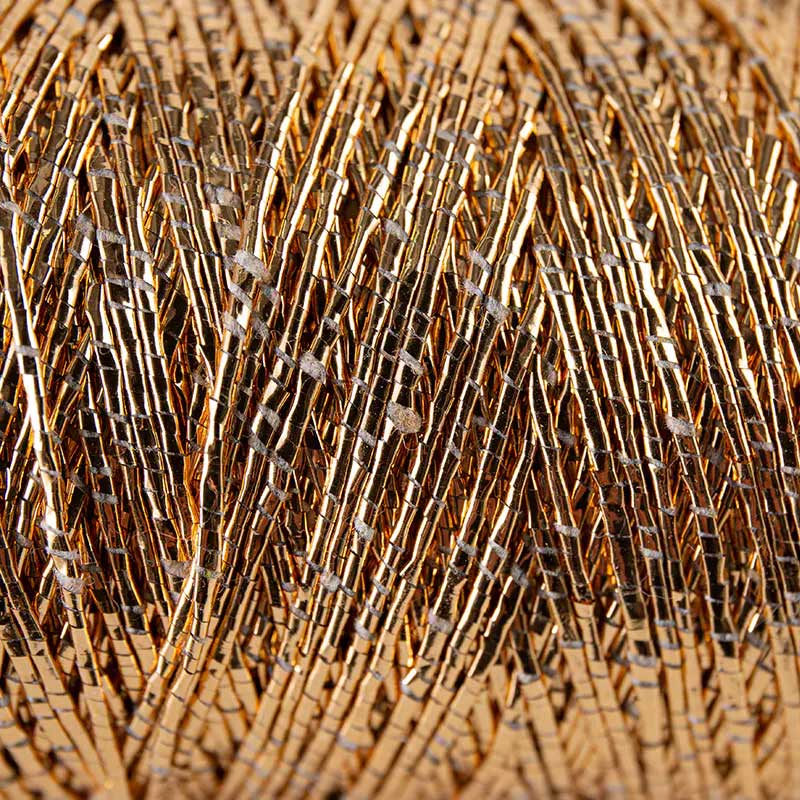
Polypropylene and polyethylene can be used as raffia base materials for different yarn products. Nylon and polyamide can also be selected when particular flexibility, surface characteristics, or textile properties are required.
The Lurex component provides a metallic or reflective appearance. It can be incorporated into the yarn structure in different ways depending on the product design.
Before purchasing, buyers should ask about the base material, metallic component, yarn construction, surface finish, and intended application. These details can help determine whether a particular product is suitable for weaving, crochet, packaging, or fashion accessories.
Raffia Yarn Structure
Flat yarn is commonly associated with raffia-style products. A flat structure can create a broad surface that works well in weaving and craft production.
The yarn can be produced through processes involving polymer extrusion, film formation, slitting, stretching, treatment, and winding. The exact process can vary according to the material and final product requirements.
The addition of a metallic element can change the visual appearance of the yarn. Surface shine, reflection, and texture can vary according to the selected construction.
Yarn winding is also relevant to practical use. The yarn needs to be supplied in a format that can be handled easily during weaving, crochet, packaging decoration, or other production processes.
Important Product Specifications
Width is an important specification because it affects the appearance and handling of the yarn. Different widths can be selected for different weaving patterns and product structures.
Thickness is another consideration. Thicker yarn can create a different woven surface from thinner yarn and may provide a different level of structure.
Length and weight can be relevant for production planning and packaging. Buyers may need to know the winding format so that the yarn can work with their existing tools or equipment.
Softness and flexibility are especially important for crochet and handmade products. Yarn that bends smoothly can be easier to manipulate around curves and loops.
Surface finish should also be discussed. Glossy, matte, textured, and metallic surfaces can create different visual effects.
Color and Surface Options
Lurex Raffia Yarn can be produced in various colors. Gold and silver are common choices for metallic designs, while black, white, beige, brown, green, red, and blue can provide additional options.
The combination of base color and Lurex effect can change the overall appearance. A dark base can create a stronger contrast with metallic fibers, while a natural base can produce a softer decorative appearance.
Custom color development can be useful for fashion collections, retail packaging, seasonal products, and branded accessories. Buyers can provide physical references or color specifications during product development.
Surface finish can also be discussed. Some applications may require a smooth surface, while others can benefit from a textured appearance.
Selecting Specifications for Applications
Different products require different yarn characteristics. Bags may require a balance between flexibility and structure. Hats can require yarn that follows curved forms while retaining the desired shape.
Baskets can require a firmer structure for woven walls and handles. Packaging decoration can require yarn that bends easily around boxes, bags, and floral arrangements.
For crochet work, softness, flexibility, and smooth handling can be important. For commercial weaving, consistent width, thickness, color, and winding can support a stable production process.
Buyers can provide details about their product before selecting specifications. Information about weaving method, product dimensions, desired appearance, color, and processing conditions can help manufacturers recommend suitable yarn structures.
 +86 15355323399
 kevin@raffia-paper.com
 No. 151 Guanshan North Road, Dongyang City, Zhejiang Province, China

Copyright © Zhejiang Raffia Paper Products Co., Ltd. All Rights Reserved.

Paper Raffia Yarn & Gift Packaging Factory