
 +86 15355323399
 En
En  中文简体
中文简体 日本語
日本語 Français
 Español
 Deutsch
 Türk
Türk عربى
عربى italiano
 русский
Paper Raffia Yarn for Sustainable Weaving and Craft Projects
Paper Raffia Yarn is a paper-based material used for weaving, crafting, decoration, and a range of handmade products. Its paper structure gives it a distinctive texture and appearance, while the yarn format allows it to be processed through different craft techniques. Compared with traditional natural raffia materials, paper raffia can provide another option for designers and manufacturers looking for a consistent paper-based material.
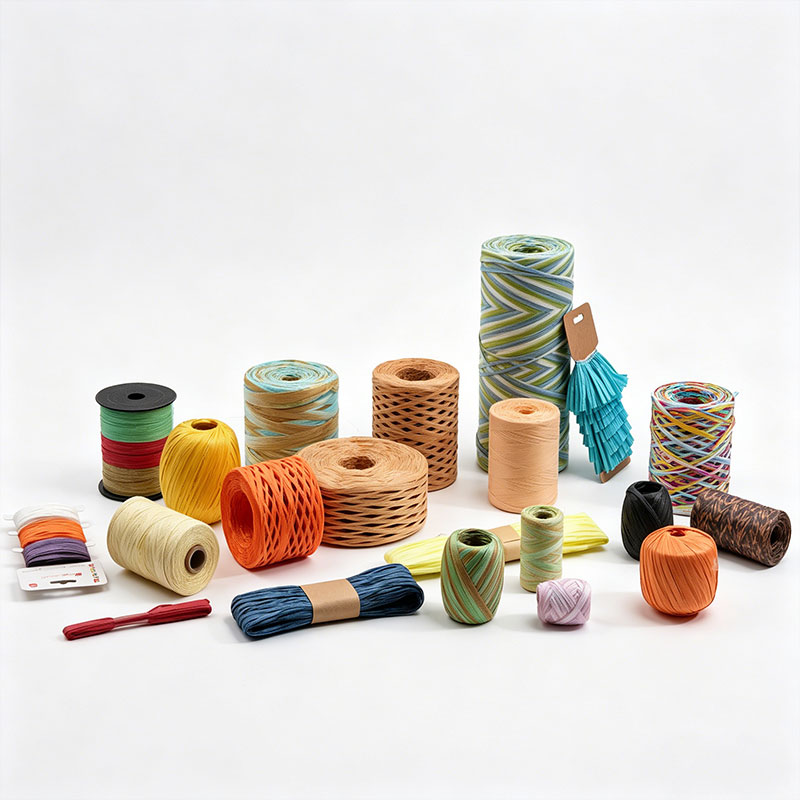
The structure of Paper Raffia Yarn can vary according to its intended application. The yarn may be produced with different twisting methods, surface textures, and levels of flexibility. These characteristics influence how the material behaves during weaving and other processing operations.
For product designers, understanding the physical characteristics of the yarn is important when developing a finished item. A softer yarn can be suitable for projects that require flexible handling, while a firmer structure can provide more support for products that need to retain their shape.
Paper Raffia Yarn can also be supplied in different colors and finishes. This gives designers room to coordinate the yarn with specific product styles, seasonal collections, packaging themes, and decorative concepts.
Applications in Weaving and Crafts
Weaving is an important application for Paper Raffia Yarn. The material can be incorporated into woven structures for bags, baskets, mats, decorative items, and other handmade products. Its paper texture can add a natural visual character to the finished surface.
Crochet is another application. Depending on the yarn structure, Paper Raffia Yarn can be processed with suitable crochet techniques to create bags, hats, home accessories, and decorative pieces.
Macramé projects can also use paper-based yarn for decorative structures. The texture of the material can create visible knots and patterns, making it useful for handmade wall decorations, plant holders, ornaments, and other craft products.
Basket making provides another area of use. A suitable paper raffia structure can be woven around a supporting form to create storage baskets and decorative containers. The selection of yarn stiffness and texture can affect the shape and surface appearance of the finished product.
Material Selection for Craft Projects
Different craft projects require different material characteristics. Flexibility is useful when the yarn needs to pass through tight weaving patterns or form curves. A firmer yarn may be useful when the finished product needs greater structural support.
Twist is another consideration. The yarn structure can influence its handling characteristics, surface appearance, and ability to maintain its form during processing.
Texture also affects the appearance of a finished product. A smooth surface can create a clean visual effect, while a textured surface can give woven products a more handcrafted appearance.
Color selection is equally important. Natural paper tones can work with simple and organic product designs, while dyed colors can support seasonal collections, fashion accessories, gift products, and decorative projects.
Paper-Based Materials and Product Design
Paper-based materials are receiving attention in product development where designers want alternatives to conventional synthetic materials. Paper Raffia Yarn can be incorporated into products that emphasize natural textures and paper-based construction.
For craft brands, packaging designers, and manufacturers, the material can also become part of a broader product concept. A woven bag, handmade basket, decorative accessory, or gift item can use paper raffia as both a functional component and a visual feature.
Material selection should consider the complete product rather than focusing on a single characteristic. The intended use, processing method, required flexibility, surface appearance, storage conditions, and final product structure all influence the suitable yarn specification.
Matching Yarn With Production Requirements
Paper Raffia Yarn can support both handmade production and organized manufacturing processes. Small craft projects may focus on handling, texture, and color, while larger production operations may pay closer attention to consistent specifications and packaging.
For weaving applications, manufacturers can evaluate yarn structure according to the machinery or manual technique being used. For crochet and macramé projects, flexibility and surface feel may have greater importance.
A clear understanding of the final product can make material selection more practical. By matching yarn structure, texture, color, and processing characteristics with the intended application, Paper Raffia Yarn can become a versatile material for weaving and craft product development.
 +86 15355323399
 kevin@raffia-paper.com
 No. 151 Guanshan North Road, Dongyang City, Zhejiang Province, China

Copyright © Zhejiang Raffia Paper Products Co., Ltd. All Rights Reserved.

Paper Raffia Yarn & Gift Packaging Factory