
 +86 15355323399
 En
En  中文简体
中文简体 日本語
日本語 Français
 Español
 Deutsch
 Türk
Türk عربى
عربى italiano
 русский
Paper Raffia Yarn for Bags, Hats and Woven Products
Paper Raffia Yarn is used in the development of woven products where texture, flexibility, and visual appearance are important. The paper-based yarn can be woven, crocheted, or processed through other suitable techniques to create bags, hats, baskets, home accessories, and decorative products.
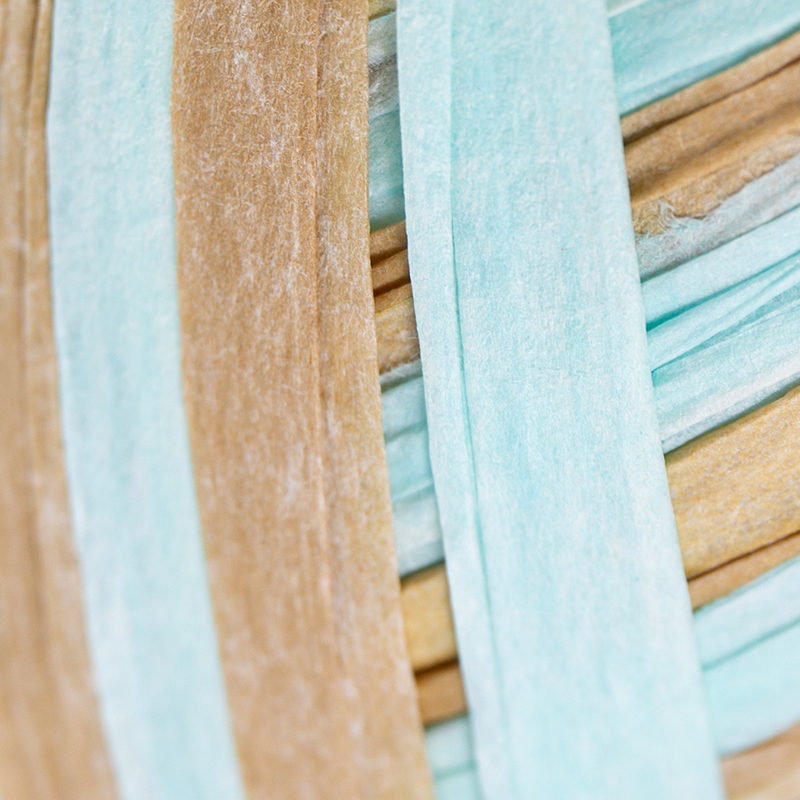
The yarn structure has a direct relationship with the final appearance of a woven item. Twist, flexibility, surface texture, and color can influence how the material behaves during production and how the finished product looks.
For manufacturers and product designers, the choice of yarn should be connected to the construction method and intended use. A bag may require a combination of flexibility and structural support, while a hat may require a different balance between shape retention and comfortable handling.
This makes Paper Raffia Yarn suitable for a broad range of woven product concepts.
Paper Raffia Yarn for Bags
Bags are an important application for paper raffia materials. Woven handbags, shopping bags, beach bags, storage bags, and decorative bags can incorporate paper raffia yarn as the primary woven material.
During bag production, the yarn needs to move through the selected weaving or crochet process without creating unnecessary handling difficulties. The final structure should also provide suitable support for the intended bag design.
Different weaving patterns can create different surface effects. A tight weave can provide a structured appearance, while a more open pattern can create a lighter visual style.
Paper Raffia Yarn can also be used for handles and decorative details. Combining different colors or textures can create contrast between the body of the bag and its supporting components.
For seasonal or fashion-oriented collections, color selection provides additional design flexibility. Natural shades can create an understated appearance, while colored yarn can support a particular collection theme.
Paper Raffia Yarn for Hats
Paper raffia is also associated with hat production. Sun hats, woven fashion hats, and other lightweight headwear can use paper raffia yarn as part of the woven structure.
Hat production requires careful attention to shape. The yarn needs to work with the selected weaving technique while providing suitable support for the intended design.
Texture can influence the visual character of a hat. A natural textured yarn can create a handmade appearance, while a smoother yarn can produce a cleaner surface.
Color also provides room for product differentiation. Neutral tones can suit everyday styles, while brighter shades can be used for seasonal or fashion-focused collections.
The choice of yarn should also consider how the finished hat will be handled, stored, transported, and displayed.
Woven Baskets and Home Products
Paper Raffia Yarn can also be used to create woven baskets and storage products. Baskets may serve practical storage functions while also acting as decorative elements in homes, retail spaces, hotels, and other environments.
The yarn structure can influence the rigidity of the basket. A firmer yarn may help support a defined shape, while a more flexible structure can be suitable for softer designs.
Woven placemats, trays, organizers, and decorative containers can also incorporate paper raffia materials. These products can use different weaving patterns to create variations in texture and appearance.
For home products, designers may consider how the yarn color works with furniture, interior decoration, and other materials.
Choosing Yarn for Different Woven Products
The appropriate Paper Raffia Yarn depends on the finished product and production process. Bags may require a balance between flexibility and structural support. Hats may require controlled shape retention. Baskets may require a firmer woven structure.
Other factors include twist, texture, color, winding format, and processing method. Manufacturers may also need to consider whether the yarn is intended for manual crafting or organized production.
By connecting the yarn specification with the construction method and end-use requirements, Paper Raffia Yarn can support a wide range of woven products while giving designers flexibility in texture, color, and product style.
 +86 15355323399
 kevin@raffia-paper.com
 No. 151 Guanshan North Road, Dongyang City, Zhejiang Province, China

Copyright © Zhejiang Raffia Paper Products Co., Ltd. All Rights Reserved.

Paper Raffia Yarn & Gift Packaging Factory