
 +86 15355323399
 En
En  中文简体
中文简体 日本語
日本語 Français
 Español
 Deutsch
 Türk
Türk عربى
عربى italiano
 русский
Raffia Filler and Synthetic Raffia Yarn: Innovative Materials Transforming Sustainable Packaging and Craft Industries
The growing demand for sustainable, lightweight, and visually appealing materials is reshaping the global packaging and handicraft industries. Among the emerging solutions, raffia filler and synthetic raffia yarn are gaining increasing attention from brands, gift packaging suppliers, floral designers, and craft manufacturers due to their versatility, durability, and eco-friendly advantages.
As consumers and businesses continue to focus on sustainable packaging alternatives, these two raffia-based materials are becoming important choices for replacing traditional decorative fillers and natural fibers that may have limitations in consistency and supply stability.
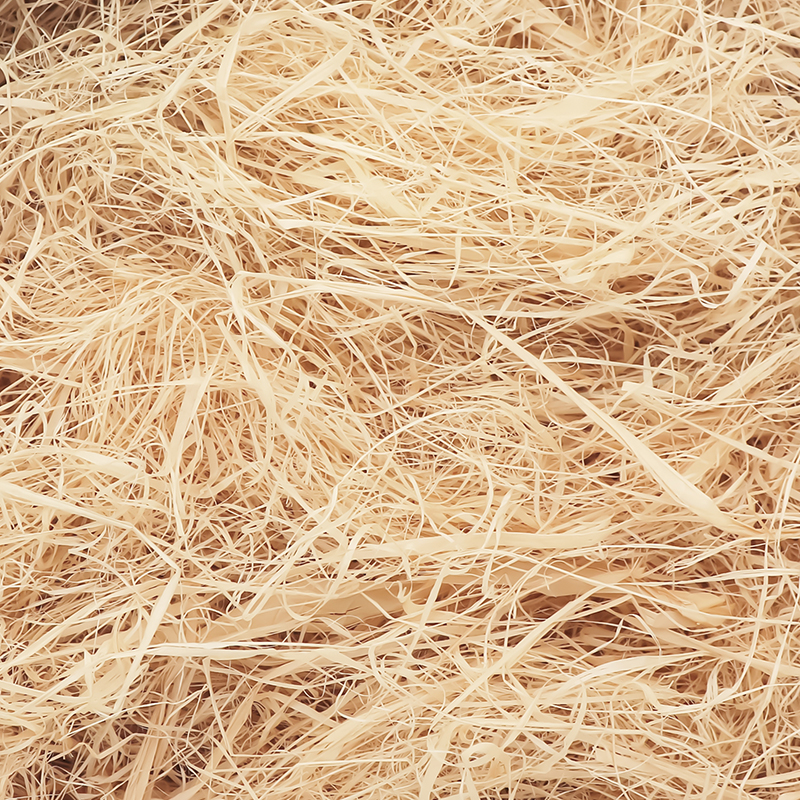
Raffia Filler: Enhancing Modern Gift Packaging with Natural-Looking Texture
Raffia filler has become a popular decorative material for gift boxes, baskets, retail packaging, and seasonal arrangements. Its lightweight structure and soft texture create an attractive visual effect while providing cushioning protection for packaged products.
Unlike conventional paper fillers that may appear plain or easily lose shape, raffia filler offers a more premium appearance with its unique fiber-like texture. It is widely used in industries such as luxury gifts, cosmetics packaging, wine boxes, handmade products, and holiday packaging.
For businesses seeking customized packaging solutions, raffia filler can be produced in different colors, lengths, and styles to match specific brand identities. Whether used for creating a natural rustic style or an elegant premium presentation, it helps improve the overall unboxing experience and product value.
Another important advantage of raffia filler is its compatibility with sustainable packaging trends. Many companies are reducing the use of plastic-based decorative materials and looking for recyclable or environmentally responsible options. Raffia filler provides a practical alternative that combines decoration, protection, and sustainability.
Synthetic Raffia Yarn: A Reliable Alternative for Industrial and Creative Applications
Synthetic raffia yarn is widely recognized for its excellent consistency, flexibility, and long-lasting performance. Compared with traditional natural raffia fibers, synthetic raffia yarn can provide more stable quality, uniform appearance, and better resistance to environmental factors.
This material is commonly applied in woven products, handmade crafts, decorative accessories, gift packaging, artificial flower arrangements, and customized creative projects. Manufacturers can adjust yarn thickness, color, texture, and surface effects according to different application requirements.
For commercial production, synthetic raffia yarn offers significant advantages in terms of scalability. Large-volume manufacturers often require materials with consistent performance to maintain production efficiency and product quality. Synthetic raffia yarn meets these needs by providing reliable supply and flexible customization options.
With advanced production technology, modern synthetic raffia yarn can achieve a natural raffia appearance while maintaining improved durability and processing performance. This makes it suitable for both traditional handicraft markets and innovative packaging designs.
Market Trends Driving the Growth of Raffia-Based Materials
The global packaging market is experiencing a shift toward personalized, sustainable, and experience-focused solutions. Consumers are increasingly influenced by product presentation, making decorative packaging materials an important part of brand communication.
At the same time, craft industries are expanding their use of creative materials that combine aesthetic appeal with practical performance. Raffia filler and synthetic raffia yarn meet these market requirements by offering flexibility in design, wide application possibilities, and cost-effective production advantages.
From handmade gift baskets to large-scale packaging projects, raffia-based materials are helping manufacturers and brands develop products that balance appearance, functionality, and sustainability.
Choosing the Right Raffia Material Supplier
For businesses sourcing raffia materials, selecting a professional manufacturer is essential to ensure stable quality, customization capability, and reliable delivery. A qualified raffia supplier should provide comprehensive solutions, including material development, color customization, production control, and packaging support.
As demand for sustainable decorative materials continues to grow, raffia filler and synthetic raffia yarn will continue to play an important role in the future of packaging and creative industries. Manufacturers that invest in high-quality raffia solutions can better support global brands looking for innovative and environmentally conscious material choices.
 +86 15355323399
 kevin@raffia-paper.com
 No. 151 Guanshan North Road, Dongyang City, Zhejiang Province, China

Copyright © Zhejiang Raffia Paper Products Co., Ltd. All Rights Reserved.

Paper Raffia Yarn & Gift Packaging Factory