
 +86 15355323399
 En
En  中文简体
中文简体 日本語
日本語 Français
 Español
 Deutsch
 Türk
Türk عربى
عربى italiano
 русский
Synthetic Raffia Yarn for Weaving and Crafts
Synthetic Raffia Yarn is widely used in weaving, crochet, handmade decoration, and craft production. Its flat or textured structure allows artisans to create different patterns while maintaining a recognizable raffia appearance. Depending on the material and processing method, the yarn can provide different levels of flexibility, softness, surface texture, and firmness.
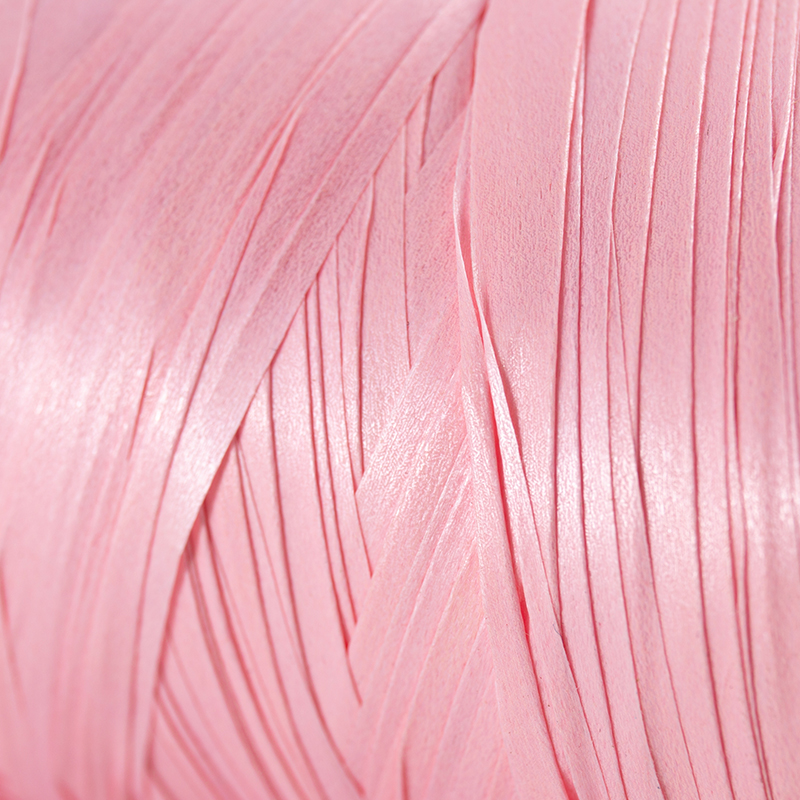
Craft makers often select Synthetic Raffia Yarn according to the structure of the product they plan to make. A basket may require yarn with a stable shape, while a crochet bag can require a softer and more flexible material. Hats, placemats, decorative panels, and small home accessories can also use raffia yarn in different forms.
The material can be worked by hand or incorporated into commercial craft production. Its availability in different colors and specifications also makes it suitable for collections with coordinated designs.
Common Weaving Applications
Baskets are a common application for Synthetic Raffia Yarn. The yarn can be woven around a supporting structure or directly shaped into a basket body. Different weaving patterns can create variations in surface texture and visual style.
Handbags and tote bags are another important application. Synthetic Raffia Yarn can be used to create panels, handles, decorative sections, or complete bag structures. Depending on the design, makers can combine several colors to create stripes, geometric patterns, or seasonal styles.
Hats can also be made with raffia style yarn. Summer hats and decorative headwear can use woven yarn to create a lightweight visual appearance. The yarn width and flexibility can influence how easily it can be shaped around a hat form.
Placemats and coasters are useful applications for home decoration. These products often require a stable weaving structure and a surface that is suitable for regular handling. Synthetic materials can provide consistent color and structure across a product collection.
Yarn Features for Craft Work
Softness is an important factor when choosing yarn for handcraft work. Softer yarn can be easier to bend around curves and can provide a different tactile effect in finished products.
Flexibility also affects the weaving process. A yarn that bends smoothly can be useful for rounded baskets, curved handles, and decorative shapes. Firmer yarn can support products that require a more defined structure.
Width and thickness influence the visual appearance of the finished work. Wider yarn can create a broader woven pattern, while narrower yarn can allow more detailed designs.
Surface texture is another consideration. Smooth yarn can create a clean visual effect, while textured yarn can add character to baskets, bags, hats, and decorative items.
Color selection is also important for craft collections. Natural shades can create a traditional raffia appearance, while green, black, white, brown, and other colors can support different design concepts.
Choosing Yarn for Different Projects
Different craft products require different yarn properties. Basket makers can consider firmness, width, and flexibility according to the basket shape. Bag makers may pay closer attention to softness, bending behavior, and surface texture.
For hats, the yarn should work well with the selected weaving method and shape. For placemats and coasters, buyers can consider the desired surface structure and stability.
Commercial craft manufacturers may also need consistent yarn specifications across repeated production. Stable width, thickness, color, and winding can make production planning easier.
Color and Customization
Custom color is useful when a buyer wants a coordinated product collection. A manufacturer can develop colors according to a reference sample or a specified color system.
Custom width and thickness can also support different weaving methods. Packaging can be adjusted according to the needs of craft stores, distributors, or manufacturers.
For bulk orders, buyers can discuss material, color, yarn structure, winding method, packaging, and labeling before production. Clear specifications can help the manufacturer prepare the yarn according to the intended craft application.
 +86 15355323399
 kevin@raffia-paper.com
 No. 151 Guanshan North Road, Dongyang City, Zhejiang Province, China

Copyright © Zhejiang Raffia Paper Products Co., Ltd. All Rights Reserved.

Paper Raffia Yarn & Gift Packaging Factory