
 +86 15355323399
 En
En  中文简体
中文简体 日本語
日本語 Français
 Español
 Deutsch
 Türk
Türk عربى
عربى italiano
 русский
Synthetic Raffia Yarn Materials and Specifications
Synthetic Raffia Yarn can be produced from several types of synthetic polymers. Polypropylene, polyethylene, nylon, and polyamide are commonly associated with synthetic raffia style yarn products.
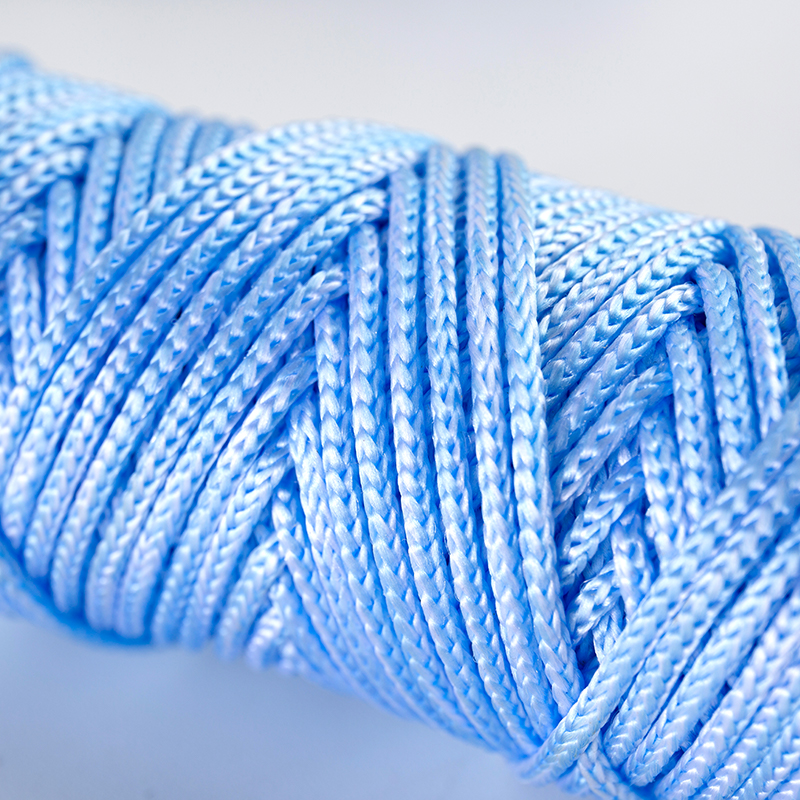
Polypropylene is often selected for applications where lightweight construction and practical processing are important. It can be processed into flat yarn and other forms suitable for weaving and industrial products.
Polyethylene can provide a different combination of flexibility and surface characteristics. It may be considered for decorative products and applications that require resistance to moisture.
Nylon and polyamide can provide different tactile and mechanical properties. These materials may be selected for textile related applications, fashion accessories, and products where flexibility is important.
Material selection should be based on the intended application rather than a single general requirement. A manufacturer can discuss the product structure, weaving method, environmental conditions, and appearance requirements before recommending a suitable material.
Flat Yarn and Raffia Yarn Structure
Many synthetic raffia products use a flat yarn structure. The production process can involve polymer extrusion, film formation, slitting, stretching, treatment, and winding.
During extrusion, polymer material is processed into a continuous film or tape. The material can then be divided into narrower strips according to the required yarn width.
Stretching can affect the structure and handling characteristics of the yarn. Additional processing can be used according to the intended product and material.
The final winding process creates packages that can be supplied to weaving factories, craft manufacturers, packaging companies, and other buyers.
Important Yarn Specifications
Width is an important specification for Synthetic Raffia Yarn. Wider yarn can create a different visual effect and weaving structure compared with narrow yarn.
Thickness also affects the handling and appearance of the material. Buyers can select thickness according to the product design and production method.
Yarn count and weight may be relevant for industrial purchasing and production planning. These specifications can help buyers compare different yarn constructions.
Length and winding format are also useful when planning production. A suitable winding arrangement can support efficient handling during weaving or other processing.
Surface texture is another specification worth discussing. Smooth, matte, glossy, or textured surfaces can create different visual results.
Softness and flexibility should also be considered. A yarn designed for crochet or fashion accessories may require different handling characteristics from yarn intended for structured baskets.
Color and Surface Options
Synthetic Raffia Yarn can be produced in various colors. Natural tones can support rustic and handmade visual styles, while bright colors can be used for fashion accessories, seasonal products, and decorative collections.
Custom colors can be developed according to buyer requirements. A reference sample or recognized color system can help establish the intended shade.
Surface treatment can also affect the appearance of the yarn. Gloss level, texture, and finish can be discussed during product development.
Color consistency is important for bulk production. Buyers can confirm the color reference before manufacturing so that the production team has a clear target.
Selecting Specifications for Different Uses
Basket weaving can require yarn with suitable firmness and width. A bag manufacturer may need a softer material that can be shaped around handles and curved sections.
Hat production can require a combination of flexibility and structural stability. Home decoration products may require a particular surface texture to match interior design requirements.
Packaging applications can require yarn that is easy to tie, wrap, or arrange. Outdoor products may require materials selected according to exposure to moisture and sunlight.
Before placing an order, buyers can provide information about the intended product, weaving method, required appearance, color, packaging, and production process. This allows the manufacturer to discuss suitable specifications.
 +86 15355323399
 kevin@raffia-paper.com
 No. 151 Guanshan North Road, Dongyang City, Zhejiang Province, China

Copyright © Zhejiang Raffia Paper Products Co., Ltd. All Rights Reserved.

Paper Raffia Yarn & Gift Packaging Factory