
 +86 15355323399
 En
 中文简体
 日本語
 Français
 Español
 Deutsch
 Türk
 عربى
 italiano
 русский
Natural Raffia Wood Excelsior for Sustainable Gift Packaging and Decorative Filling
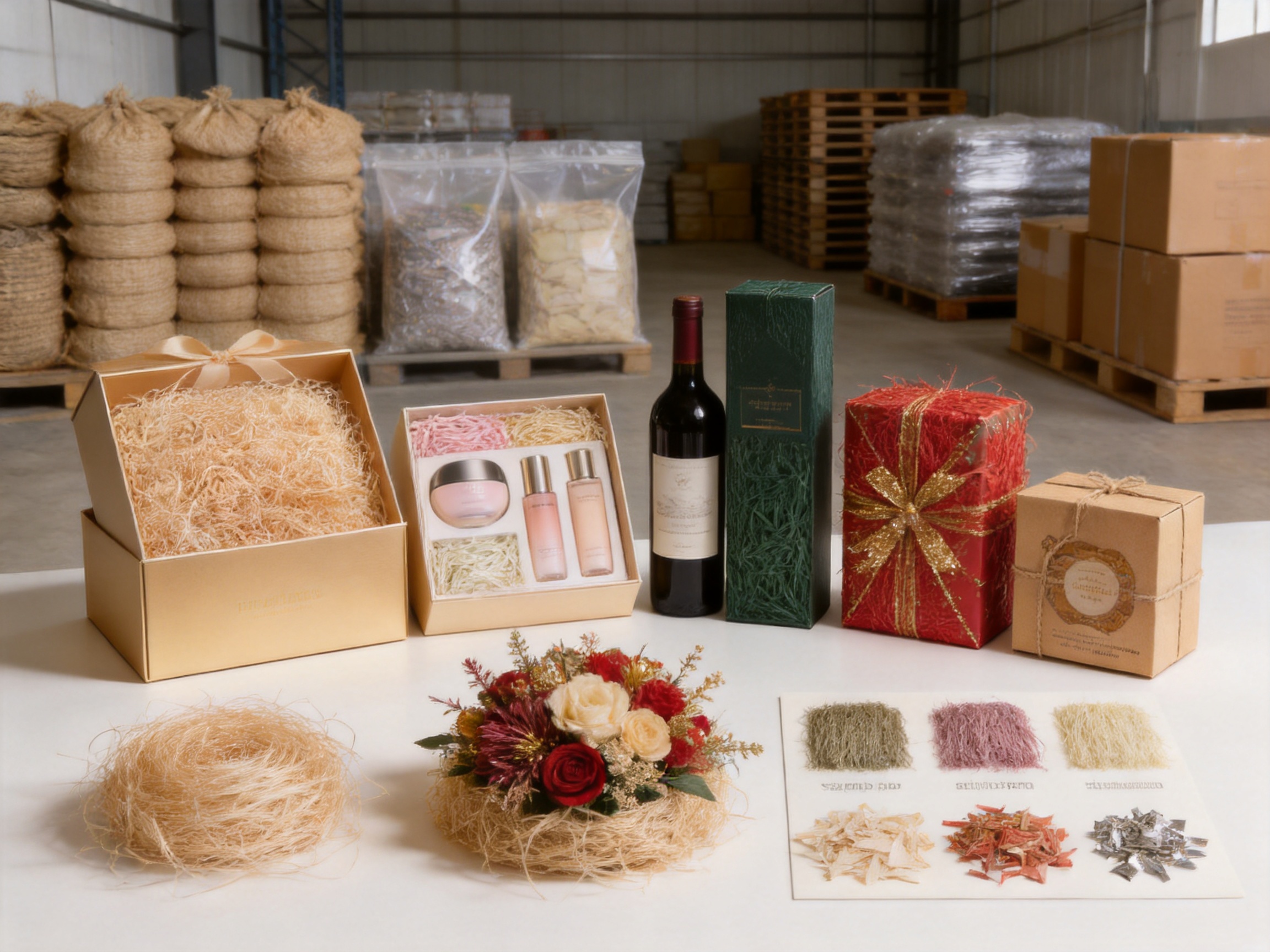
Wood Excelsior, also known as natural raffia filling shreds, is a decorative and functional packaging material made from carefully processed plant fibers. It is designed to fill empty spaces inside gift boxes, protect products during handling, and create a warm, natural presentation that strengthens the unboxing experience. Unlike ordinary plastic fillers or purely flat paper shreds, natural raffia provides visible texture, flexible volume, and an authentic botanical appearance.
As packaging becomes an increasingly important part of product presentation, brands are looking for materials that combine visual appeal, performance, customization, and environmental responsibility. Customers no longer judge a package only by its ability to prevent movement during transport. They also consider whether the packaging communicates quality, craftsmanship, sustainability, and brand personality. Natural raffia Wood Excelsior responds to these expectations by combining decorative value with practical cushioning in one versatile material.
This product is suitable for gift box manufacturers, packaging wholesalers, wine and beverage suppliers, cosmetics companies, florists, boutique retailers, handmade product producers, promotional gift suppliers, and brands developing customized packaging collections. It can be supplied in its natural color or produced in custom dyed shades, including brand-specific and seasonal colors. It can also be mixed with paper shreds, metallic shreds, and other decorative fillers to create distinctive packaging effects.
What Is Natural Raffia Wood Excelsior?
Natural raffia Wood Excelsior is a loose, shredded filling material made from natural raffia plant fiber. The fibers are opened, combed, and cut into controlled lengths and widths to create a soft, flexible, three-dimensional material suitable for decorative packaging. The standard material width is approximately 2–3 millimeters, although customized fiber dimensions can be developed for specific applications.
The term “Wood Excelsior” is commonly associated with finely shredded natural materials used as packaging filler. In this product range, the filler is produced from raffia plant fibers rather than conventional wood wool. This gives the material an organic appearance while providing a lighter, more flexible, and more decorative alternative for gift packaging and retail presentation.
The raffia fibers retain their natural light-brown color and characteristic plant texture because the standard product is processed without chemical bleaching. The result is a material with a handcrafted appearance that works particularly well with kraft boxes, wooden products, glass containers, handmade goods, ceramics, candles, cosmetics, wine, and other products positioned around natural or premium values.
Unlike rigid protective inserts, raffia shreds can be distributed freely around products of different shapes. They fill irregular spaces, soften contact points, and help prevent items from moving excessively inside a box. At the same time, the loose structure creates visual volume and gives the package a fuller, more carefully arranged appearance.
Why Packaging Fillers Matter in Modern Product Presentation
Packaging fillers were traditionally used mainly to occupy empty space and reduce product movement. Today, they play a much broader role. A thoughtfully selected filler can influence how a customer perceives a product before the product itself is fully revealed. The color, texture, volume, and arrangement of the filler all contribute to the visual identity of a package.
Natural raffia creates an immediate impression of authenticity. Its plant-based texture can suggest craftsmanship, natural sourcing, handmade production, and environmental awareness. These associations are especially valuable for businesses selling artisan products, organic goods, premium gifts, floral arrangements, wine, home décor, and beauty products.
The material also improves the opening experience. When a customer lifts the lid of a gift box and sees carefully arranged raffia surrounding the product, the package appears more complete and intentional. The filler adds depth, protects the contents from being exposed in an empty box, and provides a soft visual transition between the product and the package.
For companies, this creates an opportunity to use packaging as a communication tool. A natural color can support rustic or minimalist design. Deep green, brown, or terracotta shades can support an earthy seasonal collection. Bright or pastel colors can create a more playful presentation for celebrations, retail promotions, or children’s products. Customized raffia therefore serves both a practical function and a branding function.
Key Advantages of Natural Raffia Wood Excelsior
Natural Botanical Appearance
The most recognizable advantage of natural raffia is its authentic botanical appearance. The fibers are not manufactured to look natural; they are derived from a natural plant source and processed to preserve their original character. Slight variations in texture and tone help create a more handcrafted and organic visual effect than uniform synthetic fillers.
This appearance is suitable for brands that want packaging to feel warm, genuine, and connected to nature. It complements kraft paper, uncoated cartons, wooden boxes, recycled paper labels, cotton ribbons, linen materials, and other natural packaging components.
Biodegradable Material Advantage
Natural raffia is a biodegradable plant-based material. This gives it an important advantage over many plastic-based fillers, which may remain in the environment for extended periods. For companies seeking to reduce unnecessary plastic in their packaging systems, raffia provides a more environmentally responsible decorative alternative.
Biodegradability does not mean that the material should be discarded carelessly. Appropriate disposal depends on local waste-management systems, contamination, dyes, and how the product has been used. However, the plant-based structure of natural raffia makes it more compatible with sustainability-oriented packaging strategies than conventional petroleum-based fillers.
Soft Yet Resilient Fiber Structure
Raffia fibers are lightweight and flexible, but they are not completely limp. Their resilience allows the material to maintain volume after being placed inside a box. Properly processed shreds can surround products, support presentation, and provide a degree of cushioning during normal handling.
The material is especially useful for products that require flexible rather than rigid support. Bottles, jars, candles, handmade soaps, ceramics, gift sets, and irregularly shaped items can all benefit from a filler that adapts to the available space.
Three-Dimensional Decorative Effect
Compared with flat paper strips, raffia shreds create more visible depth. The fibers lift away from the base of the box and form a textured surface around the product. This allows a relatively small amount of material to produce a full and attractive appearance.
The three-dimensional effect is valuable for premium packaging because it makes the box look carefully prepared rather than simply filled. It also photographs well for e-commerce listings, social media campaigns, seasonal catalogs, and promotional materials.
Flexible Color Customization
The standard natural color is suitable for eco-conscious, rustic, minimalist, and artisan packaging. However, businesses that require stronger brand recognition can request eco-friendly dyed raffia in customized shades. Pantone matching, exclusive brand colors, and seasonal palettes can be developed according to project requirements.
Color customization allows the same material platform to serve many different markets. A cosmetics company may request soft neutral tones, a holiday gift supplier may require red and green, a luxury brand may prefer black or muted metallic-inspired colors, and a floral retailer may choose pastel shades. Multi-color blends can also create a more dynamic and festive effect.
Compatibility with Other Decorative Fillers
Natural raffia can be used by itself or combined with other materials. Common combinations include natural raffia with paper shreds, raffia with metallic shreds, and blends of several raffia colors. Customized ratios can be developed to control the appearance, volume, cost, and tactile effect of the final filling solution.
Mixed filling is useful when a customer wants to combine the organic texture of raffia with the color range or reflective effect of another material. For example, a small quantity of metallic shred can add a celebratory accent without replacing the natural foundation of the package.
Advantages Compared with Conventional Packaging Fillers
Compared with Plastic Fillers
Plastic fillers often provide strong volume and low material cost, but they may conflict with sustainability goals and can create an artificial visual effect. Natural raffia provides a plant-based alternative with a warmer texture and more authentic appearance. It is also less likely to create the visual impression of disposable packaging.
For brands communicating environmental responsibility, switching from plastic filler to natural raffia can make the packaging experience more consistent with the product message. The material helps reduce dependence on plastic while supporting a more premium presentation.
Compared with Standard Paper Shreds
Paper shreds are widely used because they are economical, printable, and available in many colors. However, conventional paper strips can sometimes appear flat, overly uniform, or less distinctive. Raffia adds a different tactile dimension and can produce a fuller natural effect inside a box.
Raffia does not necessarily replace paper shreds in every application. Instead, the two materials can be combined. Paper provides color or structure, while raffia adds texture and volume. This combination allows packaging designers to balance cost, appearance, and brand positioning.
Compared with Wood Wool
Traditional wood wool can provide effective cushioning and a rustic appearance, but it may be stiffer, more abrasive, or less suitable for products with delicate surfaces. Raffia fibers are generally more flexible and visually softer, making them appropriate for gift packaging where presentation and gentle contact are important.
Raffia also supports a broader range of color customization. While natural wood wool has a recognizable wood appearance, dyed raffia can be matched to a brand palette or seasonal packaging program.
Compared with Synthetic Decorative Fibers
Synthetic fibers can offer consistent color and shape, but they may not provide the same natural touch or sustainability profile. Raffia combines visual irregularity with manufacturing control, allowing the product to retain a botanical character while meeting commercial requirements for width, cutting, packaging, and batch consistency.
Manufacturing Process and Quality Control
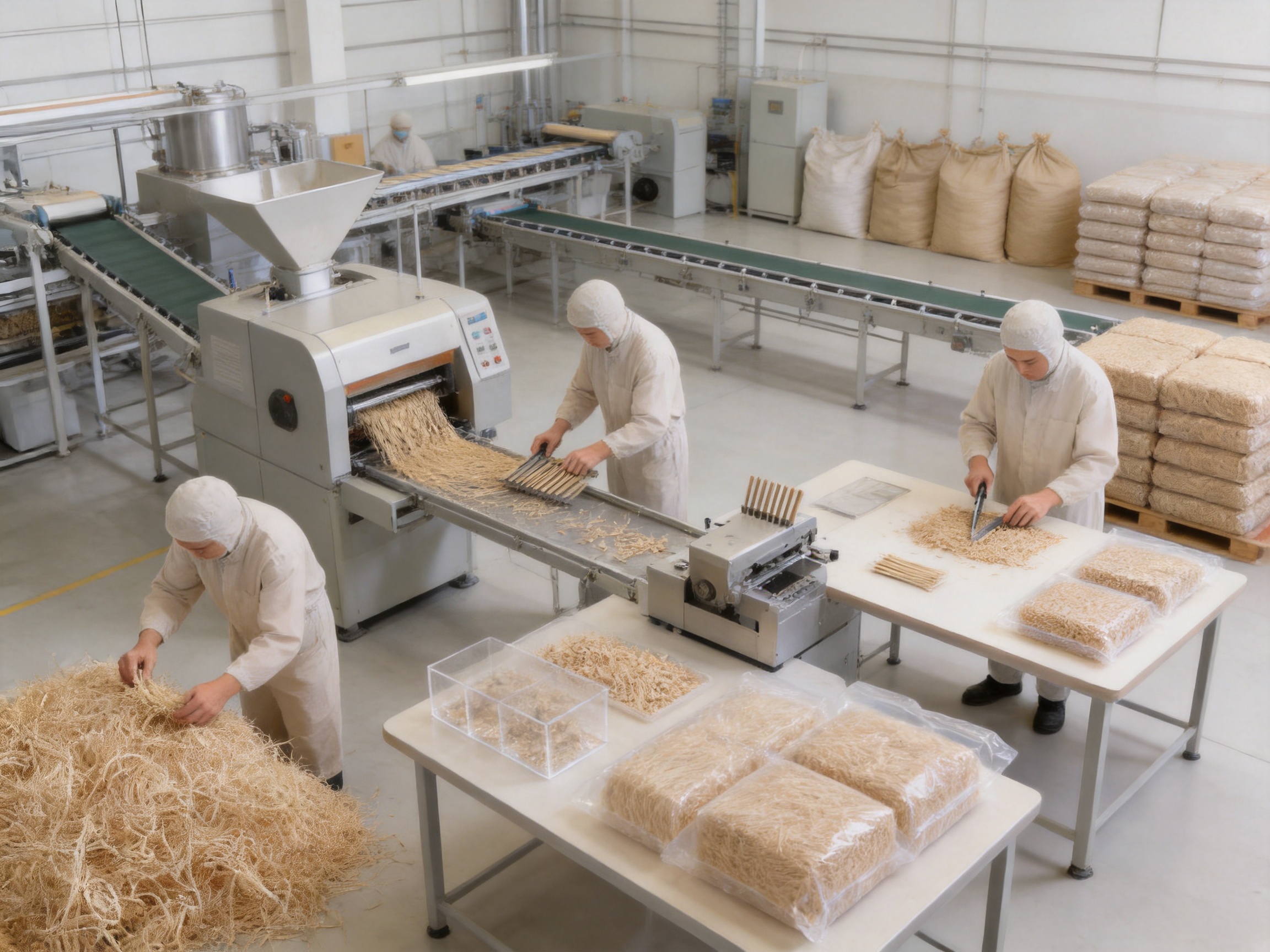
The quality of natural raffia Wood Excelsior depends greatly on raw material selection and processing control. A decorative filler must be attractive, clean, consistent, and easy to use. If the fibers are too short, too dusty, too damp, or unevenly processed, they may not create the desired presentation. Professional manufacturing is therefore essential.
Selection of Raffia Plant Fiber
Production begins with the selection of suitable natural raffia plant fiber. The material is evaluated for texture, flexibility, cleanliness, color, and general suitability for opening and cutting. Raw material selection helps reduce excessive breakage and improves the consistency of the finished shreds.
Natural materials may show some variation, which is part of their authentic appearance. However, commercial customers require that variation to remain within practical limits. A controlled raw-material system helps balance natural character with reliable production performance.
Physical Opening
After selection, the raffia is physically opened to separate compacted or bundled fibers. This stage improves the ability of the material to expand and creates a loose structure suitable for decorative filling. Physical opening also helps prepare the fibers for the following combing process.
The process is mechanical rather than chemical. No chemical bleaching is used for the standard natural product, allowing the original color and texture to remain visible. Avoiding unnecessary chemical treatment also supports a cleaner material profile for sustainability-oriented packaging applications.
Combing and Fiber Alignment
Combing separates tangled fibers and improves their distribution. It helps remove excessive clumps and produces a more workable material. Proper combing is important because decorative filler should be easy for packaging workers or consumers to spread inside a box.
Controlled combing also improves visual consistency. The fibers remain natural, but they are less likely to form dense knots that reduce volume or create an uneven appearance. This is particularly important for customers filling large quantities of boxes on a production line.
Precision Cutting
After opening and combing, the raffia is cut into controlled lengths. Precision cutting helps produce a more stable filling material and supports customer requirements for different box sizes and product types. Shorter cuts may be useful for small gift boxes or compact retail packaging, while longer fibers may create greater volume and a more dramatic decorative effect.
Cutting quality also influences the appearance of the finished package. Consistent lengths help prevent excessive waste and make it easier for workers to estimate the amount needed per box. Customized cutting lengths can be discussed during sampling and product development.
Color Processing
The natural product is supplied without bleaching or dyeing. For colored versions, the raffia can be processed with eco-friendly dyes and formaldehyde-free color-fixing technology. Color development includes shade selection, sample approval, and batch control.
Pantone color matching can be used as a reference for customized orders. Because natural fibers may absorb color differently from synthetic materials, production samples should be reviewed before mass manufacturing. Once a color is approved, standardized procedures help maintain consistency between batches.
Compression and Packaging
Raffia has a naturally loose structure, which can create high shipping volume. To improve logistics efficiency, the material can be vacuum compressed for export and bulk transportation. Vacuum compression reduces volume while protecting the product from dust, moisture, and contamination during handling.
Before use, the compressed material can be opened and loosened. The packaging method is selected according to order size, sales channel, storage conditions, and customer requirements. Retail buyers may prefer transparent OPP bags, while wholesalers and factories may require heavy-duty woven bags and palletized shipments.
Quality Inspection
Quality control should cover raw materials, fiber processing, cutting dimensions, color, cleanliness, packaging integrity, and order quantity. Consistent inspection helps ensure that the material supplied for a repeat order matches the approved sample.
An integrated manufacturing system makes it easier to coordinate these stages. Zhejiang Raffia Paper Products Co., Ltd. operates a production base in Dongyang, Zhejiang Province, with more than 20,000 square meters of manufacturing space and more than 200 employees. Its production system covers raw material processing, mass production, quality testing, and finished-goods packaging and shipment.
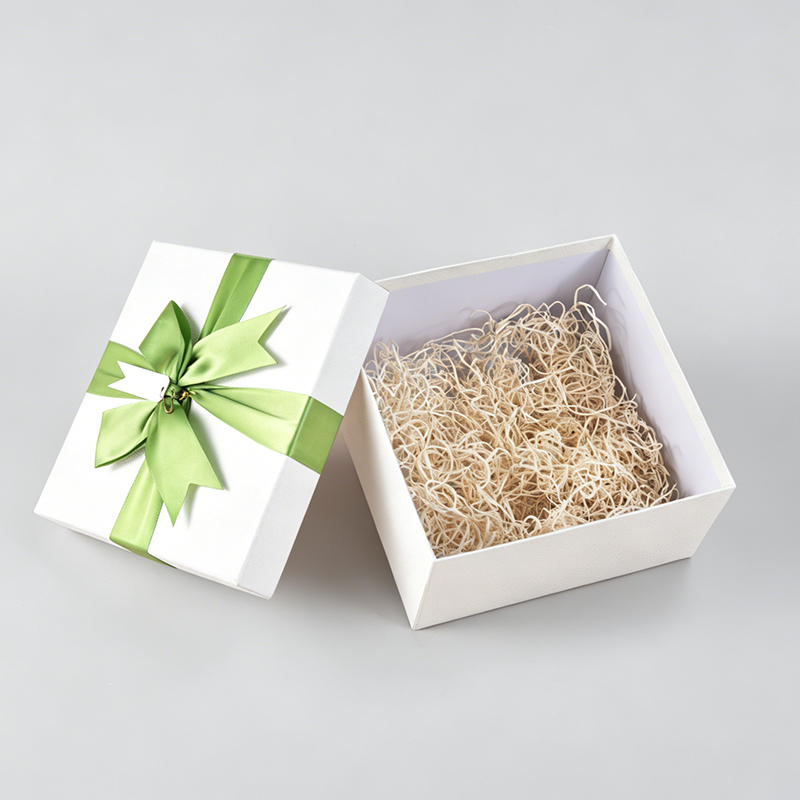
Wood Excelsior
Manufacturing Strengths of the Supplier
Zhejiang Raffia Paper Products Co., Ltd. was founded in 2014 and originated from a craft materials business unit established in 2010. Its development from a trading business into an integrated manufacturer has provided experience in both customer requirements and large-scale production.
The company specializes in raffia paper shreds, fancy paper yarns, gift packaging materials, and related decorative products. Its production capabilities include slitting, twisting, winding, compression packaging, and other processes used across its product range. This technical background supports the development of stable fiber products and customized packaging materials.
With an annual production capacity exceeding 200 million pieces, the company is equipped to support both standard products and large-volume customer programs. Production capacity is particularly important for packaging buyers that need regular replenishment, seasonal inventory, or coordinated deliveries across multiple markets.
The company’s integrated structure reduces the number of separate suppliers involved in a project. Raw materials, processing, inspection, packing, and shipment can be coordinated through one manufacturing system. This can simplify communication, improve production scheduling, and reduce the risk of inconsistency between different suppliers.
More than ten years of industry experience also supports product development and quality management. Customers can work with the supplier from initial sampling through specification confirmation, color approval, packaging design, and mass production. This is valuable for brands launching a new gift collection or packaging manufacturers developing a private-label filler line.
The company exports to Europe, North America, South America, Asia, and other regions. Its products are used in gift packaging, textile crafts, home decoration, and global retail supply chains. This international customer experience provides familiarity with export packaging, bulk order planning, documentation requirements, and different market expectations.
Product Specifications
The following table summarizes the standard product information for natural raffia Wood Excelsior. Final specifications may be adjusted according to the application, packaging format, color, and order requirements.
| Item | Standard Specification |
|---|---|
| Product Name | Natural Raffia Filling Shreds |
| Common Market Description | Wood Excelsior or Natural Raffia Shreds |
| Material | Natural Raffia Plant Fiber |
| Standard Width | Approximately 2–3 mm |
| Processing | Physical Opening, Combing, and Precision Cutting |
| Surface Finish | Natural or Eco-Friendly Dyed |
| Bleaching | No Chemical Bleaching for the Standard Natural Product |
| Biodegradability | Yes, as a natural plant-based material |
| Color Options | Natural Color, Custom Pantone Colors, Seasonal Colors |
| Mixed Filling | Available with Paper Shreds, Metallic Shreds, or Raffia Blends |
| Packaging Options | Vacuum Bag, Transparent OPP Bag, or Bulk Woven Bag |
| OEM and ODM | Supported |
| Minimum Order Quantity | To Be Confirmed According to Customization |
| Lead Time | According to Order Quantity and Product Requirements |
Packaging Options for Different Sales Channels
Vacuum Compression Packaging
Vacuum compression packaging is appropriate for export orders, large-volume shipments, and customers that need to reduce logistics volume. The compressed package occupies less space than loose raffia, which can lower transportation and storage requirements.
The packaging also protects the product from dust and external contamination during transportation. Once opened, the material can be loosened and distributed according to the customer’s packaging process. This format is especially useful for factories that purchase filler in bulk and repack it under their own brand.
Retail OPP Packaging
Transparent OPP bags are suitable for retail sales, e-commerce distribution, sample programs, and small-quantity packaging. The transparent bag allows customers to see the texture and color before purchasing. Customized weights, labels, barcodes, and private-brand information can be discussed for retail programs.
Retail packaging is useful for craft stores, boutique packaging suppliers, florists, gift shops, and online sellers. The product can be sold as a stand-alone filler or included in a wider collection of gift packaging materials.
Bulk Woven Bag Packaging
Heavy-duty woven bags are recommended for packaging manufacturers, wholesalers, importers, and factories that consume large quantities. This format is designed for practical handling and storage rather than direct retail presentation.
Bulk shipments can also be palletized to support efficient loading and unloading. The final packing method should consider shipping distance, warehouse conditions, expected storage time, and whether the product will be repacked after arrival.
Industry Applications
Gift Box Packaging
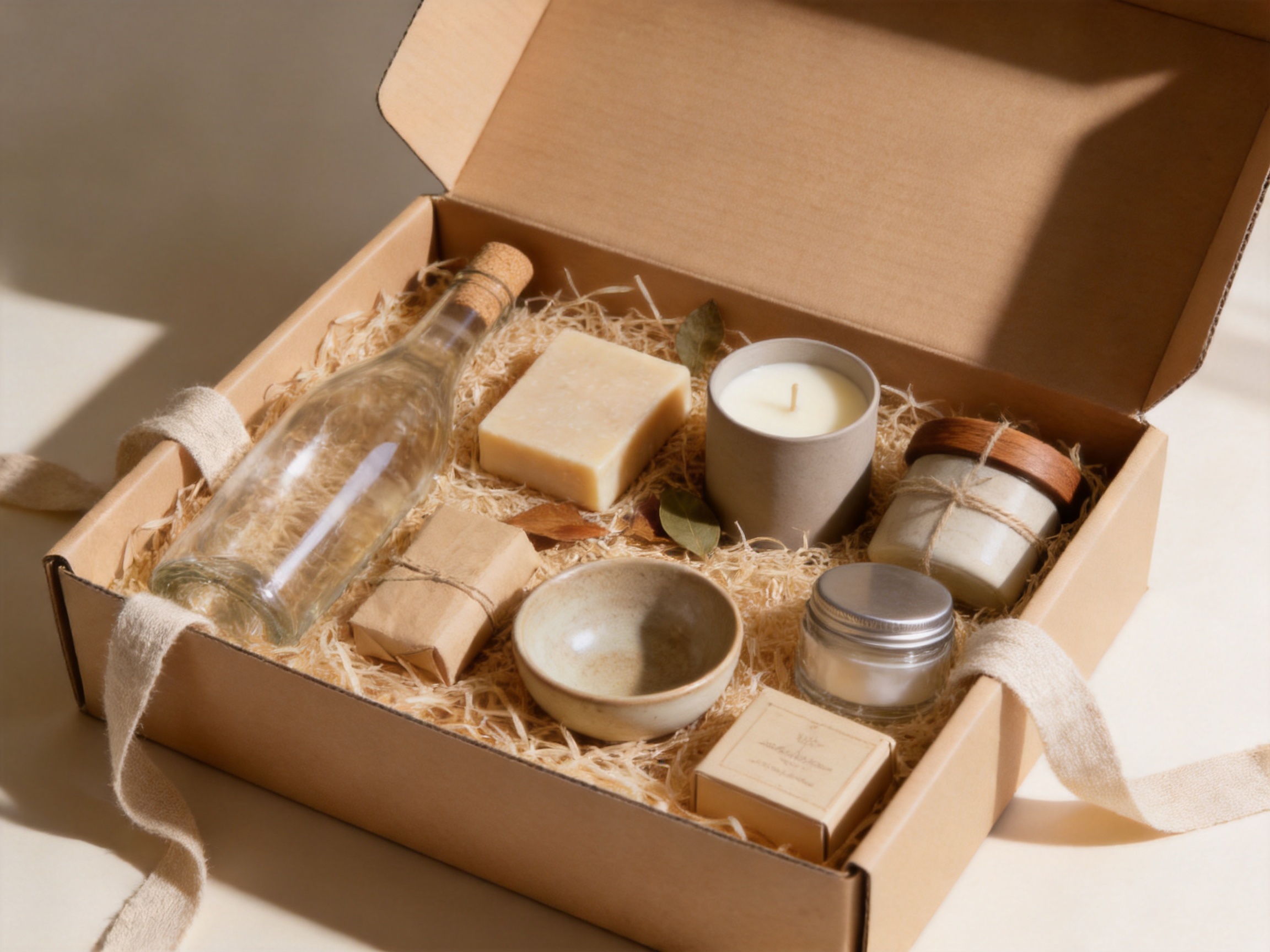
Natural raffia is widely used in luxury gift boxes, corporate gifts, holiday packages, promotional collections, and special-event packaging. It helps protect the contents while making the box appear more substantial and carefully prepared.
Gift box producers can use the natural color for rustic collections or choose customized colors for corporate branding. Mixed raffia and paper fillings can create a layered appearance that distinguishes premium gift sets from standard packages.
Wine and Beverage Packaging
Raffia filler can be used around wine bottles, champagne, spirits, tea gift boxes, coffee collections, and gourmet beverage products. The natural material complements glass bottles and wooden presentation boxes, while its flexible structure helps fill the space around the container.
For beverage brands, packaging design often communicates tradition, quality, and origin. Natural raffia reinforces these values by providing an organic visual foundation. It can also be combined with branded cards, ribbons, bottle neck tags, or printed cartons.
Cosmetics and Beauty Products
Skincare gift sets, perfumes, essential oils, soaps, candles, and cosmetics can benefit from the soft and decorative appearance of raffia. The material is suitable for brands that want to present beauty products as natural, artisanal, premium, or environmentally conscious.
Custom colors can coordinate with a product collection or seasonal launch. Neutral raffia can support clean beauty packaging, while soft pink, green, cream, or lavender shades can create a more specialized visual identity.
Handmade and Artisan Products
Handmade soaps, ceramics, wooden crafts, candles, leather goods, and small home décor products often require packaging that reflects their handcrafted nature. Raffia provides a natural texture that feels more appropriate for these products than synthetic foam or plastic air pillows.
Because the fibers can be arranged loosely around products of different shapes, the material is useful for artisan businesses with varied product dimensions. It helps create a consistent packaging style even when individual products are not identical.
Floristry and Boutique Retail
Florists and boutique stores can use raffia in flower gift boxes, dried-flower packaging, seasonal displays, and specialty retail presentations. The botanical texture complements flowers and plant-based products, creating a coherent natural theme.
Colored raffia can be coordinated with wedding themes, holiday displays, store interiors, or event palettes. Small retail packages can be offered to customers who want to create their own gift boxes at home.
Corporate and Promotional Packaging
Companies preparing promotional kits, employee gifts, customer appreciation boxes, or event packages can use custom-colored raffia to support a corporate identity. The filler can be combined with branded cartons, printed cards, promotional products, and seasonal merchandise.
For large campaigns, stable bulk production and consistent color are essential. An integrated manufacturer can coordinate sample approval, production planning, packaging, and shipment to help meet campaign deadlines.
OEM and ODM Customization Services
OEM and ODM support allows customers to create packaging filler products according to their own commercial requirements. Customization can involve the material, color, fiber dimensions, mixture, package format, label, and carton design.
Color Customization
Customers can select the standard natural color or request customized dyed shades. Pantone references can be used to guide color development, although sample approval remains important because natural fibers may produce a subtly different visual effect than coated paper or synthetic materials.
Brand-exclusive colors can be developed for long-term packaging programs. Seasonal collections can also be produced for holidays, weddings, festivals, product launches, or annual promotional campaigns.
Fiber Width and Cutting Length
The standard width is approximately 2–3 millimeters, but custom fiber widths may be available for special applications. Cutting length can also be adjusted. Shorter shreds may be preferred for compact boxes, while longer fibers can provide more volume and a more dramatic decorative effect.
Fluffiness can be adjusted according to the desired appearance and packing method. A factory filling thousands of boxes may require a material that spreads quickly and evenly. A handmade gift business may prefer a fuller, more irregular presentation.
Mixed Filling Ratios
Raffia can be blended with paper shreds, metallic shreds, multi-color raffia, or other decorative materials. The mixing ratio can be discussed based on visual objectives, cost targets, and product positioning.
A higher raffia ratio creates a stronger natural impression. A higher paper ratio may provide greater color uniformity or reduce material cost. Metallic accents can be used in smaller proportions to add brightness without overwhelming the organic appearance.
Private Label and Packaging Design
Private-label packaging can include customized weights, printed labels, product information, cartons, and retail bags. Packaging can be prepared for direct retail sale or supplied in bulk for customer repacking.
For e-commerce sellers, clear product labeling and attractive packaging can help explain the material’s use and distinguish natural raffia from ordinary paper filler. For industrial customers, plain bulk packaging may be more efficient.
How to Choose the Right Raffia Filling Solution
The correct product depends on the package size, product weight, desired appearance, distribution method, and brand positioning. Customers should consider these factors before confirming a large order.
For natural and rustic packaging, standard unbleached raffia is usually the most suitable choice. It provides the strongest botanical appearance and works well with kraft materials and neutral color palettes.
For branded retail packaging, dyed raffia may be preferable. A custom color can strengthen brand recognition and create visual consistency across gift boxes, shopping bags, cards, and product labels.
For packages requiring a brighter or more festive appearance, mixed filling can combine raffia with paper or metallic shreds. This approach creates greater design flexibility while retaining the soft, natural base provided by raffia.
For export orders, vacuum compression can reduce shipping volume. For direct retail, transparent OPP bags improve product visibility. For factories and wholesalers, woven bulk bags offer practical handling and efficient storage.
Customers should also consider the amount of filler required per box. Small cosmetic boxes may need only a light layer, while bottle packaging or large gift hampers may require more material. Testing a representative package before mass production helps determine the correct weight and arrangement.
Storage, Handling, and Use Recommendations
Natural raffia should be stored in a clean, dry, and ventilated environment. It should be protected from excessive moisture, direct water contact, and contamination. Although vacuum packaging helps protect the product during transportation, opened material should be resealed or stored in suitable containers when not in use.
Before filling a box, the material can be gently loosened to restore volume after compression. Workers should distribute the raffia evenly and place the product securely in the center. Additional filler can be added around the sides or underneath the product according to the required presentation.
For fragile items, raffia should be used together with suitable primary and secondary protection. The filler improves presentation and helps reduce movement, but it should not be treated as a replacement for tested protective inserts when products are highly fragile or shipped under demanding conditions.
When using dyed raffia, customers should confirm that the color and fixing performance are appropriate for the intended application. Direct and prolonged contact with moisture should be avoided unless the complete packaging system has been tested.
Quality and Supply Chain Benefits
For commercial buyers, product quality is only one part of a successful supply relationship. Reliable lead times, repeatable specifications, responsive communication, and flexible packaging options are equally important.
An integrated supplier can provide greater control over these factors. When raw material processing, production, quality inspection, and shipment are managed within one company, there are fewer handoffs and fewer opportunities for misunderstanding.
Stable batch quality is particularly valuable for brands with recurring packaging programs. If the color, cutting length, or fiber texture changes significantly between orders, the appearance of the final package may become inconsistent. Standardized production procedures and retained samples can help reduce this risk.
Large manufacturing capacity also supports customers with seasonal demand. Holiday packaging, promotional gift campaigns, and retail launches may require significant quantities within a limited time. Production planning should be discussed early so that sampling, color approval, manufacturing, and shipment can be coordinated.
By supplying raffia shreds, paper shreds, specialty decorative fillers, fancy yarns, and related packaging materials, Zhejiang Raffia Paper Products Co., Ltd. can help customers consolidate procurement. This may reduce the need to manage multiple suppliers and simplify the development of coordinated packaging collections.
Sustainability Considerations
Natural raffia supports several sustainability objectives because it is plant-based, biodegradable, and processed without chemical bleaching in its standard form. It can help brands reduce the use of plastic filler and create packaging that visibly communicates environmental awareness.
However, sustainability should be evaluated across the complete packaging system. Customers should consider the source of the raw material, dye selection, packaging type, shipping volume, reuse potential, and disposal conditions. Vacuum compression can reduce transportation volume, while appropriate packaging weights can reduce material waste.
Using the right quantity is also important. Overfilling a box may increase material consumption without improving protection or presentation. Underfilling may leave the product unstable. A sampling process can help determine the minimum practical quantity required for a good appearance and secure presentation.
For dyed products, customers should request information about the coloring process and confirm that the selected color system meets their market requirements. Eco-friendly dyes and formaldehyde-free color fixing technology are available for customized products according to the provided product information.
Frequently Asked Questions
1. Is Wood Excelsior made from real wood?
In this product range, Wood Excelsior refers to a decorative filling solution made from natural raffia plant fiber. It is processed into loose shreds that resemble the natural appearance and use of traditional excelsior materials. Customers requiring a specific wood species or wood-wool specification should confirm the material requirements before ordering.
2. Is the natural raffia bleached?
No. The standard natural raffia product is processed without chemical bleaching. This preserves the original light-brown color and botanical texture of the fibers. Dyed options are available when customers require customized colors.
3. Is natural raffia biodegradable?
Yes. Natural raffia is a biodegradable plant-based material. Disposal conditions depend on local waste-management systems and whether the material has been dyed, contaminated, or mixed with other packaging materials.
4. Can the color be customized?
Yes. Eco-friendly dyed raffia can be developed in Pantone-based shades, brand-exclusive colors, and seasonal color collections. A physical sample should be approved before mass production to confirm the final appearance.
5. Can raffia be mixed with paper shreds?
Yes. Natural raffia can be mixed with paper shreds, metallic shreds, multi-color raffia, and other decorative fillers. Customized ratios can be discussed according to the desired appearance, cost, and packaging application.
6. What standard width is available?
The standard width is approximately 2–3 millimeters. Custom fiber width and cutting length may be available depending on the product requirements and order quantity.
7. Does raffia provide product protection?
Raffia can surround products, reduce movement, and provide soft decorative cushioning. However, the required level of protection depends on the product, box design, shipping conditions, and distribution environment. Fragile products may require additional protective structures.
8. What packaging formats are available?
Available formats include vacuum compressed bags for export and bulk transportation, transparent OPP bags for retail and e-commerce, and heavy-duty woven bags for wholesalers, factories, and packaging manufacturers. Customized weights, labels, and private packaging can also be discussed.
9. Is OEM and ODM service available?
Yes. OEM and ODM support includes color customization, fiber width, cutting length, fluffiness, mixed filling ratios, packaging format, private labels, customized weights, and printed cartons.
10. Which industries purchase natural raffia filler?
Common customers include gift packaging manufacturers, wine and beverage packaging suppliers, cosmetics brands, florists, boutique retailers, handmade product producers, packaging wholesalers, importers, e-commerce sellers, and decorative packaging distributors.
11. Can the product be supplied for large-volume orders?
Yes. The manufacturer operates an integrated production base with large-scale manufacturing capacity and supports bulk orders. The minimum order quantity and lead time should be confirmed according to the selected specification, color, packaging format, and order quantity.
12. How should compressed raffia be prepared for use?
After opening the vacuum package, the material should be gently loosened and distributed inside the box. The amount required depends on the box dimensions, product shape, desired appearance, and protection requirements.
Conclusion
Natural raffia Wood Excelsior is a versatile packaging filler that combines decorative texture, flexible cushioning, customization, and plant-based material advantages. Its unbleached natural appearance supports rustic, premium, artisan, and eco-conscious packaging concepts, while dyed versions provide greater freedom for branded and seasonal collections.
Compared with plastic fillers, raffia offers a more natural and environmentally responsible alternative. Compared with ordinary paper shreds, it creates stronger three-dimensional texture and a more distinctive tactile experience. Compared with stiffer wood-based fillers, it provides flexible handling and a softer visual presentation.
The product’s value is strengthened by professional processing. Physical opening, combing, precision cutting, color development, compression packaging, and quality inspection help transform natural raffia fiber into a reliable commercial packaging material. Customized widths, cutting lengths, colors, mixture ratios, and packaging formats allow the product to serve many different markets.
Zhejiang Raffia Paper Products Co., Ltd. supports these products through integrated manufacturing, experienced production management, large-scale capacity, OEM and ODM services, and international supply capabilities. Its production system covers raw-material processing through finished-goods shipment, helping customers obtain consistent packaging materials from one coordinated source.
For brands and packaging manufacturers seeking a natural, attractive, and customizable filling solution, raffia Wood Excelsior provides a practical way to improve product presentation while supporting more responsible packaging design.
References
1. Product specification information for Natural Raffia Filling Shreds, including material, width, processing, packaging, and customization options.
2. Manufacturing information provided by Zhejiang Raffia Paper Products Co., Ltd., including company history, production capacity, facilities, employees, and integrated quality-control procedures.
3. General packaging design principles concerning cushioning, void filling, product presentation, and retail unboxing experience.
4. General sustainability considerations for plant-based, biodegradable, dyed, compressed, and mixed packaging materials.
5. General supply-chain practices for OEM manufacturing, private labeling, bulk packaging, export preparation, and seasonal packaging production.
Product: Wood Excelsior

 +86 15355323399
 kevin@raffia-paper.com
 No. 151 Guanshan North Road, Dongyang City, Zhejiang Province, China

Copyright © Zhejiang Raffia Paper Products Co., Ltd. All Rights Reserved.

Paper Raffia Yarn & Gift Packaging Factory