
 +86 15355323399
 En
 中文简体
 日本語
 Français
 Español
 Deutsch
 Türk
 عربى
 italiano
 русский
Standard Printed Wrapping Paper for Efficient Commercial Packaging
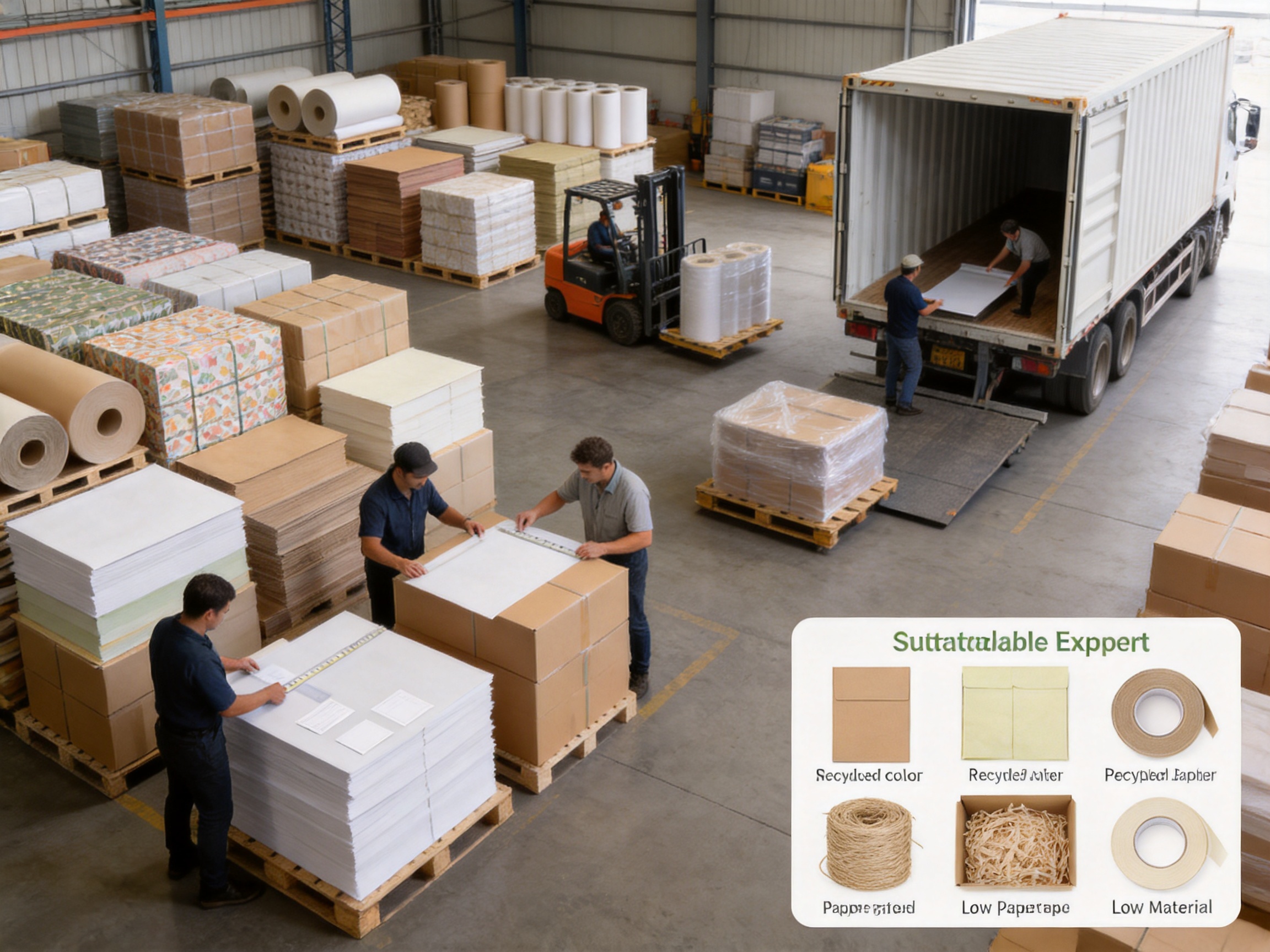
Standard printed wrapping paper is a practical packaging material for businesses that need attractive presentation, dependable supply, and efficient purchasing. Produced with ready-made patterns rather than newly developed artwork, it allows wholesalers, distributors, retailers, gift suppliers, flower shops, bakeries, and e-commerce companies to obtain decorative packaging paper without the long preparation period associated with fully customized printing.
For many commercial buyers, packaging does not need to carry an exclusive logo or a specially designed graphic on every order. It needs to look professional, match the product, arrive on schedule, perform reliably during wrapping and transportation, and remain cost-effective when purchased in volume. Standard printed wrapping paper addresses these requirements by combining established pattern collections, flexible paper materials, multiple size options, and export-ready packaging.
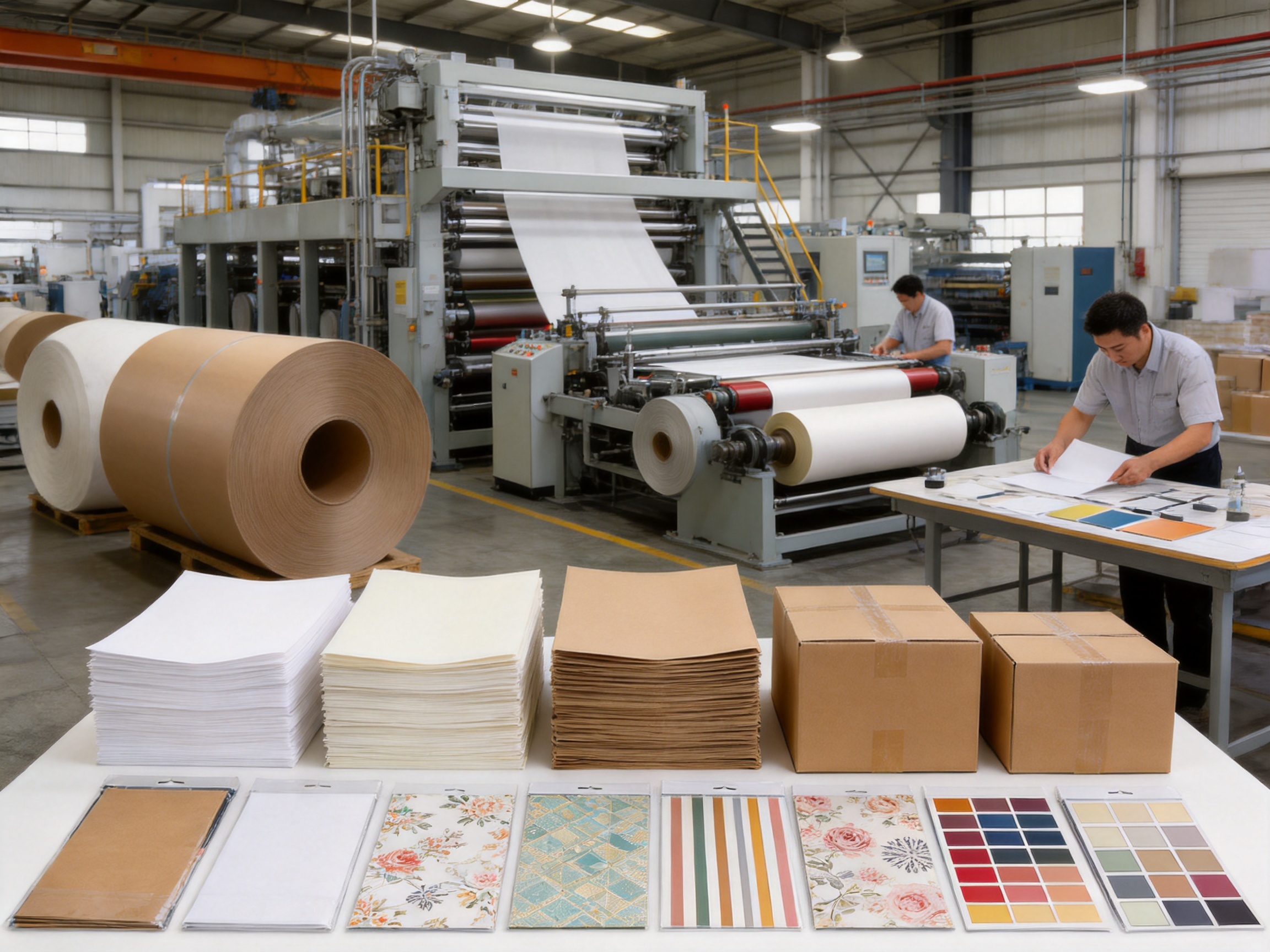
Supplied by Zhejiang Raffia Paper Products Co., Ltd., this product benefits from more than ten years of experience in paper-based craft and packaging materials. The company operates an integrated manufacturing system covering material preparation, printing, slitting, winding, converting, quality testing, packing, and shipment. This combination of product flexibility and manufacturing control enables buyers to source ordinary printed wrapping paper for both regular inventory and seasonal demand.
Unlike low-grade decorative paper that may have inconsistent color, weak structure, or unstable sizing, professionally manufactured standard printed wrapping paper is developed for repeat commercial use. Buyers can select from kraft paper, white paper, tissue paper, coated paper, recycled paper, and other suitable grades. Depending on the application, the paper can be delivered in sheets, rolls, or customized commercial packs.
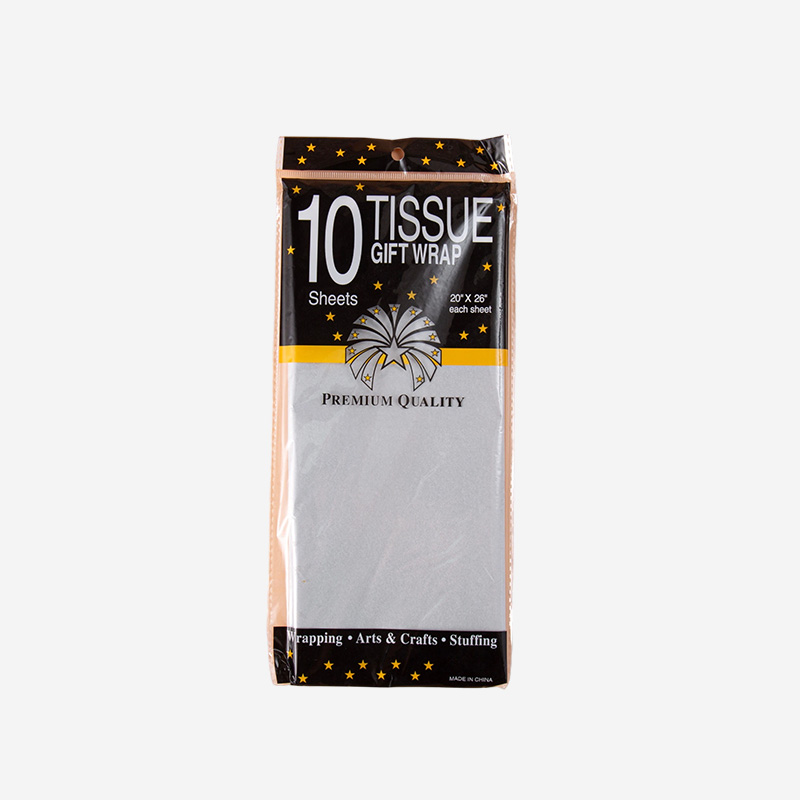
Standard printed wrapping paper
What Is Standard Printed Wrapping Paper?
Standard printed wrapping paper is ready-made decorative paper manufactured with existing designs and established production specifications. The patterns are selected from available collections, so the buyer does not need to submit new artwork, approve a new graphic concept, or wait for the preparation of special printing plates before production can begin.
The product may also be described as ordinary printed wrapping paper or stock printed wrapping paper. In this context, “ordinary” does not mean low quality. It means that the product uses standard designs rather than exclusive customer artwork. The paper can still be produced with professional printing equipment, carefully selected materials, clean pattern registration, and stable quality-control procedures.
Standard printed wrapping paper is commonly used as an outer decorative layer, an inner protective layer, or a presentation material around retail goods. It can be folded, wrapped, cut, inserted into boxes, placed inside shipping cartons, or converted into other packaging formats. Its role may be functional, decorative, or both.
Typical pattern collections include floral motifs, stripes, dots, geometric shapes, seasonal themes, children’s graphics, holiday designs, classic colors, and contemporary decorative styles. Buyers may choose single-color or multicolor printing, depending on the selected product and intended market.
The primary commercial advantage is purchasing efficiency. Since the product is based on existing designs, buyers can move from pattern selection to sampling, quotation, order confirmation, and shipment more quickly than with a new custom-printing project. This is especially useful when retailers are preparing for holidays, promotional campaigns, store openings, or urgent inventory replenishment.
Why Ready-Made Printed Wrapping Paper Remains Important
Custom packaging has become increasingly popular, but it is not always the most suitable solution. Custom printing normally requires artwork preparation, color discussion, proof approval, printing setup, and a minimum order quantity that may be too high for smaller or medium-sized businesses. It may also require longer lead times and additional development costs.
Standard printed wrapping paper fills the space between plain packaging paper and fully customized branded packaging. It provides more visual appeal than unprinted kraft or white paper while offering a faster and more economical purchasing process than exclusive printed material.
For wholesalers, the product allows many decorative styles to be stocked at the same time. A distributor can offer floral, festive, geometric, and children’s patterns to different retail customers without arranging separate design projects for every buyer. This increases product variety while simplifying sourcing and inventory planning.
For retailers, standard designs can be selected according to product category, season, or customer preference. A gift shop may use elegant floral paper, a toy store may choose colorful children’s patterns, and a bakery may select festive or food-themed designs. The retailer receives visual differentiation without the cost of building a proprietary packaging collection.
For e-commerce companies, printed wrapping paper can improve the unboxing experience. It may be used as an inner wrapping layer around clothing, small gifts, accessories, stationery, or handmade products. A visually attractive package can make a basic shipping carton feel more thoughtful and professionally prepared.
Product Materials and Available Specifications
The correct paper grade depends on the packaging purpose, wrapping method, product weight, appearance requirements, and market regulations. Zhejiang Raffia Paper Products Co., Ltd. can support different material choices so that buyers are not restricted to one paper type.
| Specification | Available Options |
| Product Name | Standard Printed Wrapping Paper |
| Material | Kraft paper, white paper, tissue paper, coated paper, recycled paper |
| Printing Method | Flexographic printing, offset printing, gravure printing, depending on product |
| Pattern | Standard stock designs |
| Color | Single color or multicolor |
| Surface Finish | Matte or gloss, when applicable |
| Supply Format | Sheets, rolls, or customized packing |
| Customization | Size, packing, labeling, and partial customization |
| Recyclability | Most paper options are recyclable |
| Food-Contact Option | Available upon request and subject to application requirements |
Kraft Paper
Kraft paper is valued for its natural appearance, practical strength, and broad compatibility with gift and retail packaging. Brown kraft creates a warm, handmade, or environmentally conscious visual effect, while white kraft can provide a cleaner base for printed designs. It is suitable for gift shops, boutiques, stationery products, apparel, crafts, and general retail use.
Printed kraft wrapping paper is often selected by buyers who want decorative packaging with a natural character. It can also be paired with paper raffia yarn, paper tape, labels, stickers, and other sustainable packaging accessories to create a coordinated presentation.
Tissue Paper
Tissue paper is lightweight and flexible, making it suitable for lining boxes, wrapping delicate items, filling shopping bags, and adding a decorative layer inside e-commerce parcels. Its soft texture allows it to fold around products with minimal bulk.
Printed tissue paper is especially useful for clothing, cosmetics, accessories, boutique goods, flowers, and gift boxes. Although it is lighter than kraft paper, its visual contribution can be significant because the paper is often the first material customers see when opening a package.
White Paper and Offset Paper
White paper and offset paper provide a bright, clean surface for printed patterns. They are suitable for designs that require clear contrast, sharp details, or a more formal appearance. These materials may be used for stationery packaging, gift wrapping, promotional projects, and retail applications where a crisp printed effect is important.
Coated Paper
Coated paper can provide a smoother surface and may support a more polished visual finish. Depending on the selected grade, it can be offered with matte or gloss characteristics. Coated paper is often considered for premium gift packaging, promotional wrapping, and products where surface appearance is an important part of the buying experience.
Recycled Paper
Recycled paper helps buyers respond to growing market interest in responsible packaging. Its appearance may vary according to the recycled content and manufacturing process, but it can provide a distinctive natural surface. When selected appropriately, recycled printed wrapping paper supports decorative presentation while helping businesses reduce reliance on virgin fiber materials.
Applications Across Commercial Markets
Retail Gift Packaging
Gift shops, bookstores, toy stores, souvenir stores, lifestyle retailers, and department stores use printed wrapping paper for daily customer service and seasonal sales. Ready-made patterns allow employees to wrap products attractively without keeping a large range of separate custom-printed papers.
For retailers, the paper can be selected according to brand atmosphere without carrying an exclusive logo. Neutral patterns can serve daily wrapping, while holiday patterns can be introduced during peak selling periods. This makes inventory more adaptable.
Flower and Floral Gift Packaging
Printed wrapping paper is suitable for fresh flowers, dried flowers, preserved flowers, bouquets, and floral gift boxes. Floral packaging often needs to balance appearance, folding flexibility, and resistance to ordinary handling. Standard printed patterns can improve presentation while allowing flower shops to control packaging costs.
Different paper weights and finishes may be selected for different bouquet sizes. Lightweight tissue paper can be used as an inner layer, while kraft or other stronger paper may be used as an outer wrap. Buyers should confirm moisture exposure, folding requirements, and the intended contact relationship between the paper and flowers before choosing a grade.
Bakery and Food Gift Packaging
Standard printed wrapping paper can be used as decorative outer wrapping for bakery boxes, cookie packages, chocolate boxes, confectionery, festive food gifts, and promotional hampers. When the paper may directly touch food, the buyer should request an appropriate food-contact option and confirm applicable regulations in the target market.
In many applications, the printed paper is used outside a primary food container rather than in direct contact with food. This can provide decorative value while keeping the food protected inside a box, bag, tray, or approved liner.
Apparel and Fashion Packaging
Clothing, scarves, handbags, shoes, jewelry accessories, and boutique products can benefit from printed tissue or wrapping paper. The paper protects surfaces from scratches and adds a sense of care during packing. It can also help organize products inside a carton or shopping bag.
Fashion retailers often prefer patterns that are simple, elegant, or seasonal. Since standard collections may include stripes, dots, botanical themes, and neutral geometric designs, buyers can select styles that complement their product range without commissioning an entirely new print.
E-Commerce Packaging
Online sellers increasingly use decorative wrapping paper to improve the customer’s unboxing experience. A product may arrive in a plain shipping carton, but printed paper inside the carton can create a more memorable presentation. It can also reduce direct contact between the product and the outer shipping package.
For e-commerce fulfillment operations, roll supply may be preferred where paper is cut by equipment, while pre-cut sheets may be more convenient for manual packing stations. The correct format depends on order volume, warehouse workflow, product dimensions, and available equipment.
Seasonal Promotions
Christmas, Valentine’s Day, Mother’s Day, Easter, Halloween, New Year, birthdays, weddings, and other seasonal events create short periods of increased packaging demand. Ready-made seasonal patterns help buyers prepare without waiting for artwork development.
Seasonal packaging is often purchased under time pressure. A standard collection can shorten the decision process and help distributors supply multiple customers before the selling period begins. Buyers should still plan early because shipping schedules, customs clearance, and peak-season production capacity can affect delivery.
Wholesale and Distribution
Packaging wholesalers and importers frequently purchase several patterns in one order. Mixed-pattern loading can help them build a broader product range without placing a separate large order for each design. Availability depends on inventory and production arrangements, so the desired pattern combination should be confirmed during quotation.
Advantages Over Plain Paper and Fully Custom Printed Paper
Standard printed wrapping paper offers a practical balance between cost, appearance, and procurement speed. Plain paper may be less expensive in some cases, but it does not provide the same decorative impact. Fully customized paper may provide stronger brand identity, but it usually requires more preparation, higher minimum quantities, and longer lead times.
| Purchasing Factor | Plain Wrapping Paper | Standard Printed Wrapping Paper | Fully Custom Printed Paper |
| Design Availability | No printed pattern | Existing pattern collections | Customer-specific artwork |
| Artwork Preparation | Not required | Normally not required | Required |
| Lead-Time Pressure | Generally low | Generally lower than custom printing | Usually higher |
| Minimum Order Flexibility | Often flexible | Suitable for stock or mixed selection | Usually more restrictive |
| Brand Exclusivity | None | Limited or none | High |
| Visual Appeal | Basic | Decorative and varied | Brand-specific |
| Best Use | Functional wrapping | Commercial decorative packaging | Long-term branded programs |
Compared with plain paper, the standard printed option gives retailers a more attractive customer-facing presentation. Compared with custom printing, it avoids many development stages. This makes it particularly competitive for businesses that need variety but do not need exclusive graphics.
Another advantage is reduced purchasing risk. A buyer can review existing patterns, request stock samples, and select an established specification instead of investing in a design that may later be rejected by the market. If demand changes, standard patterns may also be easier to use across different products or customer groups.
Printing Technologies and Surface Quality
The available printing method depends on the paper material, design complexity, order requirements, and product specification. Flexographic printing is commonly associated with efficient production on paper substrates and can be suitable for repeat patterns and large-volume work. Offset printing can support clear graphic reproduction on appropriate paper surfaces. Gravure printing may be considered for certain designs and production requirements.
Professional printing equipment helps maintain consistent color appearance and pattern clarity across production batches. For wholesale buyers, repeatability is important because customers often expect a later shipment to match an earlier purchase as closely as practical.
Color performance can be influenced by paper whiteness, absorbency, surface smoothness, ink selection, drying conditions, and storage. A pattern printed on kraft paper may appear different from the same pattern printed on white or coated paper. Buyers should therefore evaluate samples made from the intended material rather than judging a design only from a digital image.
Matte and gloss finishes provide different visual effects. Matte paper generally creates a softer, understated appearance and may reduce surface reflection. Gloss surfaces can appear brighter and more polished. The appropriate finish depends on product positioning, handling conditions, and the desired customer experience.
Advanced Manufacturing Strengths
Zhejiang Raffia Paper Products Co., Ltd. developed from a craft materials business unit established in 2010 and was formally founded in 2014. The company evolved from a trading enterprise into an integrated manufacturer specializing in crinkle raffia paper shreds, fancy paper yarns, paper-based craft materials, and packaging products.
Its manufacturing base in Dongyang, Zhejiang Province covers approximately 20,000 square meters and employs more than 200 professional workers. The factory structure supports coordinated production rather than relying entirely on disconnected external suppliers. This can improve communication between material preparation, processing, quality inspection, packing, and shipment.
The company’s equipment and procedures cover slitting, twisting, winding, compression packaging, and related paper-processing operations. These capabilities are especially relevant to buyers who purchase wrapping paper together with paper raffia yarn, decorative accessories, filler materials, or other gift packaging components.
An integrated manufacturing chain helps the company manage raw material processing, mass production, quality testing, finished-goods packing, and export shipment. Each stage can be organized according to established procedures, helping reduce variation between orders.
The reported annual production capacity exceeds 200 million pieces. Such capacity supports regular wholesale supply, seasonal replenishment, and container-level purchasing. Capacity alone does not guarantee suitability for every order, but it indicates that the company is structured to support commercial volumes rather than occasional consumer purchases.
Standardized Production Procedures
Standardized production procedures help transform a decorative paper design into a repeatable commercial product. They may cover material inspection, printing preparation, pattern alignment, cutting or winding, quantity counting, packaging, and final inspection.
For buyers, the value of standardization is consistency. A stable process can reduce differences in paper appearance, roll winding, sheet dimensions, package quantity, and outer-carton arrangement. These factors matter when goods are distributed to multiple retailers or stored for later sale.
Quality Control and Batch Stability
Quality control should consider more than the printed image. Paper weight, dimensions, surface condition, color, pattern registration, edge quality, moisture condition, packaging strength, and quantity accuracy can all affect the final product.
The company emphasizes a strict and replicable quality-control system. This is important for buyers placing repeat orders because packaging materials must remain compatible with existing wrapping procedures. Inconsistent sheet sizes or roll widths can slow down manual work and create problems for automatic equipment.
Samples can normally be arranged before bulk purchasing. Buyers should use the sample stage to evaluate the paper’s flexibility, tear resistance, fold behavior, surface appearance, color, printing clarity, odor, packing method, and suitability for the final product.
Flexible Converting and Supply Formats
Some customers need pre-cut sheets for manual wrapping, while others require rolls for cutting equipment or continuous packing operations. Supporting both formats allows the product to serve different business models.
Sheets may be supplied in organized stacks or retail-ready packs. Rolls may be prepared according to width, length, core requirements, or outer packing conditions. Exact dimensions should be discussed before production because the appropriate format depends on the customer’s equipment and warehouse processes.
OEM, ODM, and Partial Customization Options
The main product concept is based on standard designs, but commercial buyers can still request certain adaptations. Available services may include custom sheet sizes, custom roll dimensions, paper-weight selection, material recommendations, packaging customization, barcode labels, private packaging labels, mixed-pattern loading, export-carton optimization, and container consolidation.
These services provide flexibility without turning every order into a full custom-printing project. For example, a distributor may choose an existing floral pattern but request a different sheet size and private outer label. Another buyer may select several standard patterns and ask for carton quantities that suit local warehouse handling.
When annual purchasing volume increases, the company can evaluate the feasibility of developing exclusive printed collections. This creates a possible progression from stock designs to partial customization and eventually to a dedicated product program. Buyers can begin with standard paper, test market response, and consider exclusive development after sales data becomes available.
Packaging, Export, and Supply-Chain Support
Commercial paper products must be protected during storage and transportation. Suitable packing helps reduce crushing, moisture exposure, surface damage, and quantity confusion. The final packing method may vary according to sheets, rolls, material type, order quantity, and shipping route.
Export cartons can be optimized to use available container space efficiently. Mixed products may be consolidated when the order includes wrapping paper, paper raffia yarn, decorative accessories, filler materials, or other packaging items. Container consolidation can reduce the need to manage several small shipments, although the best arrangement depends on volume, destination, and shipping terms.
Barcode labeling and private packaging labels can help distributors organize stock and prepare products for local retail channels. Buyers should provide labeling requirements early, especially when local regulations, warehouse systems, or retailer compliance standards apply.
The company serves customers in China and exports to Europe, North America, South America, Asia, and other markets. International buyers should confirm paper specifications, packaging marks, documentation, product testing, food-contact requirements, and import regulations for their destination before placing a large order.
Sustainability and Responsible Material Selection
Paper packaging is often selected as an alternative to certain plastic packaging materials because paper can be recyclable and is widely accepted in existing recycling systems. Most paper options supplied for this product are recyclable, although actual recyclability depends on material composition, coatings, inks, laminations, local collection systems, and recycling regulations.
Buyers seeking an environmentally responsible packaging solution should evaluate the complete product rather than relying only on general material descriptions. They should ask about recycled content, coating type, ink system, additives, packaging method, and disposal guidance for the target market.
Recycled paper can support sustainability goals, while kraft and tissue papers may provide lightweight options that reduce material use. Selecting the correct thickness is also important. An unnecessarily heavy paper may increase material consumption and shipping weight, while a paper that is too light may create waste through tearing or poor performance.
Zhejiang Raffia Paper Products Co., Ltd. emphasizes eco-friendly concepts and sustainable green supply chains. For buyers, the most practical approach is to define measurable requirements, such as recyclable paper selection, reduced packaging material, efficient carton loading, and responsible sourcing documentation where available.
How to Choose the Right Standard Printed Wrapping Paper
Define the Product Application
Begin by identifying what will be wrapped and how the paper will be used. A delicate clothing item may require soft tissue paper, while a heavier gift box may require a stronger kraft-based material. A flower shop may need flexible sheets, while an automated packing operation may require rolls with precise dimensions.
Consider Product Weight and Handling
The paper should withstand the normal folding, carrying, stacking, and transportation conditions associated with the application. Buyers should consider whether the package will be handled manually, placed in a shopping bag, shipped through a parcel network, or exposed to changing humidity.
Match the Pattern to the Market
Pattern selection affects how customers perceive the product. Floral designs may suit gift and flower packaging. Geometric designs may suit modern lifestyle goods. Children’s designs may work well for toys and educational products. Seasonal patterns can support limited-time campaigns but may require careful inventory planning after the season ends.
Select Sheets or Rolls
Sheets are convenient for manual wrapping and retail service counters. Rolls may reduce repetitive cutting work and can integrate with certain packing machines. The choice should be based on labor cost, equipment, storage space, product dimensions, and order volume.
Confirm Printing and Finish Requirements
Buyers should confirm the printing method, color quantity, surface finish, and expected visual effect. If color matching is important, physical samples should be reviewed under appropriate lighting. Digital previews may not accurately show how ink interacts with kraft, tissue, recycled, white, or coated paper.
Check Food-Contact Requirements
When wrapping paper may directly contact food, the buyer must request a suitable food-contact option and confirm compliance with the destination market’s regulations. Decorative outer wrapping that does not touch food may have different requirements from direct-contact paper.
Plan Inventory for Seasonal Demand
Seasonal designs should be ordered early enough to allow production, inspection, export packing, transportation, customs processing, and local distribution. Standard designs shorten the development stage, but they do not eliminate logistical lead times.
Common Purchasing Problems and Practical Solutions
Need for Attractive Packaging Without Custom Artwork
Many retailers want packaging that looks more distinctive than plain paper but do not have the budget or order volume for a fully custom design. Standard collections provide an immediate selection of decorative alternatives.
Urgent Replenishment
When a retailer runs out of popular wrapping paper, a new custom project may not be practical. Existing stock designs can help shorten the purchasing process, especially when the selected product is already available or can be scheduled quickly.
Too Many Small Retail Customers
Distributors may serve many customers with different style preferences. A mixed-pattern order allows the distributor to build a broad catalog while using one coordinated purchasing program.
Cost Pressure
Custom artwork, printing setup, and development work can increase the total cost of a packaging project. Standard designs reduce or remove several of these expenses, helping buyers maintain attractive presentation under tighter budgets.
Inconsistent Quality from Different Suppliers
Switching between suppliers may cause differences in paper thickness, color, dimensions, or packing. Working with an integrated manufacturer and confirming a repeatable specification can make future replenishment more predictable.
Recommended Order and Inspection Process
A professional purchasing process begins with a clear product brief. The buyer should state the intended application, material preference, pattern category, sheet or roll format, approximate quantity, destination market, packaging expectations, and required delivery period.
The supplier can then recommend suitable existing designs and paper grades. Buyers should request samples of the actual or closely matching material whenever possible. Sample evaluation should include folding, cutting, wrapping, stacking, and visual inspection under normal working conditions.
After confirming the sample, the buyer should approve the commercial specification in writing. The specification may include material, dimensions, paper weight, printing colors, finish, pattern code, quantity per pack, cartons per shipment, labeling, and acceptable tolerances.
During production, quality inspection should verify the approved specification. For repeat orders, retaining an approved reference sample can help compare later batches. Buyers may also request production photos, packing information, or pre-shipment inspection arrangements according to order size and business requirements.
After shipment, proper storage is important. Paper should normally be kept in a clean, dry environment away from direct moisture, excessive heat, strong odors, and uneven pressure. Rolls and sheet packs should be stored in a way that prevents deformation and protects edges.
Who Should Buy This Product?
Standard printed wrapping paper is intended mainly for commercial buyers rather than individuals purchasing a few sheets for personal use. It is particularly suitable for packaging wholesalers, importers, distributors, gift packaging companies, supermarket suppliers, retail chains, stationery suppliers, flower packaging suppliers, bakery packaging suppliers, e-commerce packaging companies, and promotional packaging buyers.
It is also suitable for companies that sell packaging materials to smaller shops. A distributor can use standard designs to provide variety without committing to an exclusive graphic program for every customer. This makes the product useful for regional markets where retail order quantities may be smaller but style diversity is important.
Brand owners may also use standard printed paper for temporary campaigns, internal product lines, sample packaging, seasonal promotions, or products where exclusive branding is not necessary. If the product later becomes a long-term high-volume item, an exclusive printed collection can be evaluated.
Company Manufacturing and Service Capabilities
Zhejiang Raffia Paper Products Co., Ltd. is a professional manufacturer of paper raffia yarn, raffia paper, DIY cords, fancy yarns, gift packaging materials, and related paper products. Its production experience began with craft materials and expanded into an integrated manufacturing operation serving domestic and international customers.
The company’s more than 20,000-square-meter production base and workforce of over 200 employees support coordinated large-scale production. Its annual output exceeds 200 million pieces, providing a foundation for wholesale orders, repeat supply, and international distribution.
Its product range is used in gift packaging, textile knitting, home decoration, handmade projects, and global retail supply chains. The broader product portfolio also allows customers to source complementary items, such as paper raffia yarn, decorative cords, filler, and wrapping accessories, through one manufacturing partner.
The company provides OEM and ODM services that include exclusive brand customization, size development, packaging adaptation, and long-term bulk-order supply. It places emphasis on consistent batch quality, on-time delivery, sustainable supply chains, and long-term cooperation.
For commercial buyers, the main value of this structure is not only the product itself. It is the ability to communicate with a manufacturer that understands paper converting, decorative packaging, bulk packing, export preparation, and related craft-material applications.

Q&A About Standard Printed Wrapping Paper
Q1. What is the difference between standard printed wrapping paper and custom printed wrapping paper?
Standard printed wrapping paper uses existing designs that are already available for ordering. Custom printed wrapping paper is produced according to the buyer’s artwork, logo, colors, or branding requirements. Standard products usually require less development time and may offer more flexible purchasing for buyers who do not need exclusive graphics.
Q2. Is standard printed wrapping paper low quality?
No. “Standard” refers to the design and ordering method, not necessarily to the quality level. The paper can be manufactured with professional printing equipment, selected paper grades, established specifications, and repeatable quality-control procedures.
Q3. What patterns are available?
Available collections may include floral patterns, stripes, dots, geometric designs, seasonal themes, holiday patterns, children’s designs, and other ready-made decorative graphics. Current availability should be confirmed because stock and production arrangements may change.
Q4. Can I choose different paper materials?
Yes. Common materials include kraft paper, white paper, tissue paper, coated paper, and recycled paper. The appropriate option depends on the product weight, wrapping method, surface appearance, environmental goals, and any regulatory requirements.
Q5. Can the paper be supplied in sheets and rolls?
Yes. Both sheets and rolls can be supplied. Sheets are often convenient for manual wrapping, while rolls may be better for cutting equipment, continuous operations, or high-volume packing stations.
Q6. Can different patterns be mixed in one order?
In many cases, mixed-pattern orders can be arranged according to inventory and production planning. Buyers should provide the preferred pattern combination and required quantities so the supplier can confirm feasibility.
Q7. Can I request a specific sheet size or roll width?
Custom sheet sizes and roll dimensions may be available. The final dimensions depend on the selected material, printing process, production equipment, order quantity, and packaging method.
Q8. Is the wrapping paper recyclable?
Most paper materials supplied for this product are recyclable. However, recycling depends on coatings, laminations, ink systems, local collection infrastructure, and destination-market regulations. Buyers should confirm the exact material construction for sustainability claims.
Q9. Is food-contact paper available?
Food-contact options can be supplied upon request. Buyers must explain whether the paper will touch food directly or will only be used as outer decorative packaging. Destination-market requirements should be confirmed before production.
Q10. Can samples be provided?
Existing stock samples can usually be arranged so buyers can check paper quality, printing effect, flexibility, color, finish, and suitability before placing a volume order.
Q11. Does the supplier support export orders?
Yes. Export packaging, carton preparation, labeling, container consolidation, and international shipment coordination can be arranged according to the order and destination requirements.
Q12. Can the company develop exclusive designs later?
When purchasing volume and market demand justify the investment, the company can evaluate exclusive printed collections. Buyers may begin with standard designs and later progress to customized development based on sales performance and long-term sourcing plans.
Q13. What information should be included in an inquiry?
A useful inquiry should include the material preference, pattern category, sheet or roll format, approximate dimensions, estimated quantity, application, destination country, packaging requirements, delivery schedule, and whether food-contact or sustainability documentation is needed.
Q14. Is this product suitable for individual gift wrapping?
The product is mainly designed for commercial bulk orders. Individuals who need only a few sheets may find local retail packaging more convenient, while wholesalers, retailers, and packaging companies are better suited to the manufacturer’s supply model.
Conclusion
Standard printed wrapping paper provides a strong commercial solution for businesses that need decorative packaging without the cost and lead time of fully customized printing. Its ready-made designs, multiple paper materials, sheet and roll formats, recyclable options, and flexible packing arrangements make it suitable for retail, gifts, flowers, bakery products, apparel, e-commerce, seasonal promotions, and wholesale distribution.
Its main advantage over plain paper is improved visual presentation. Its main advantage over custom printed paper is purchasing efficiency. When these benefits are supported by stable printing, controlled converting, flexible material selection, export packing, and integrated manufacturing, the product becomes more than a simple decorative sheet. It becomes a dependable packaging supply solution.
Zhejiang Raffia Paper Products Co., Ltd. strengthens this solution through an established manufacturing base, experienced employees, high production capacity, paper-processing expertise, quality-control procedures, OEM and ODM support, and international supply-chain experience. Buyers can select existing patterns for immediate commercial use, request partial adaptations, or develop exclusive collections as their business grows.
For wholesalers, distributors, retailers, and packaging companies seeking attractive paper packaging with practical procurement advantages, standard printed wrapping paper offers a balanced combination of appearance, flexibility, efficiency, and supply reliability.
References
1. Zhejiang Raffia Paper Products Co., Ltd. Product Specification for Standard Printed Wrapping Paper.
2. Zhejiang Raffia Paper Products Co., Ltd. Company Manufacturing and Product Information.
3. General Principles of Paper Packaging Material Selection and Converting.
4. Commercial Packaging Planning Guidelines for Retail, Gift, Floral, Bakery, and E-Commerce Applications.
5. General Considerations for Recyclable Paper Packaging and Food-Contact Material Evaluation.
Product: Standard printed wrapping paper

 +86 15355323399
 kevin@raffia-paper.com
 No. 151 Guanshan North Road, Dongyang City, Zhejiang Province, China

Copyright © Zhejiang Raffia Paper Products Co., Ltd. All Rights Reserved.

Paper Raffia Yarn & Gift Packaging Factory