
 +86 15355323399
 En
 中文简体
 日本語
 Français
 Español
 Deutsch
 Türk
 عربى
 italiano
 русский
Raffia Nonwoven Fabric Accessories: A Soft, Durable, and Versatile Solution for Gift Packaging and Floral Design
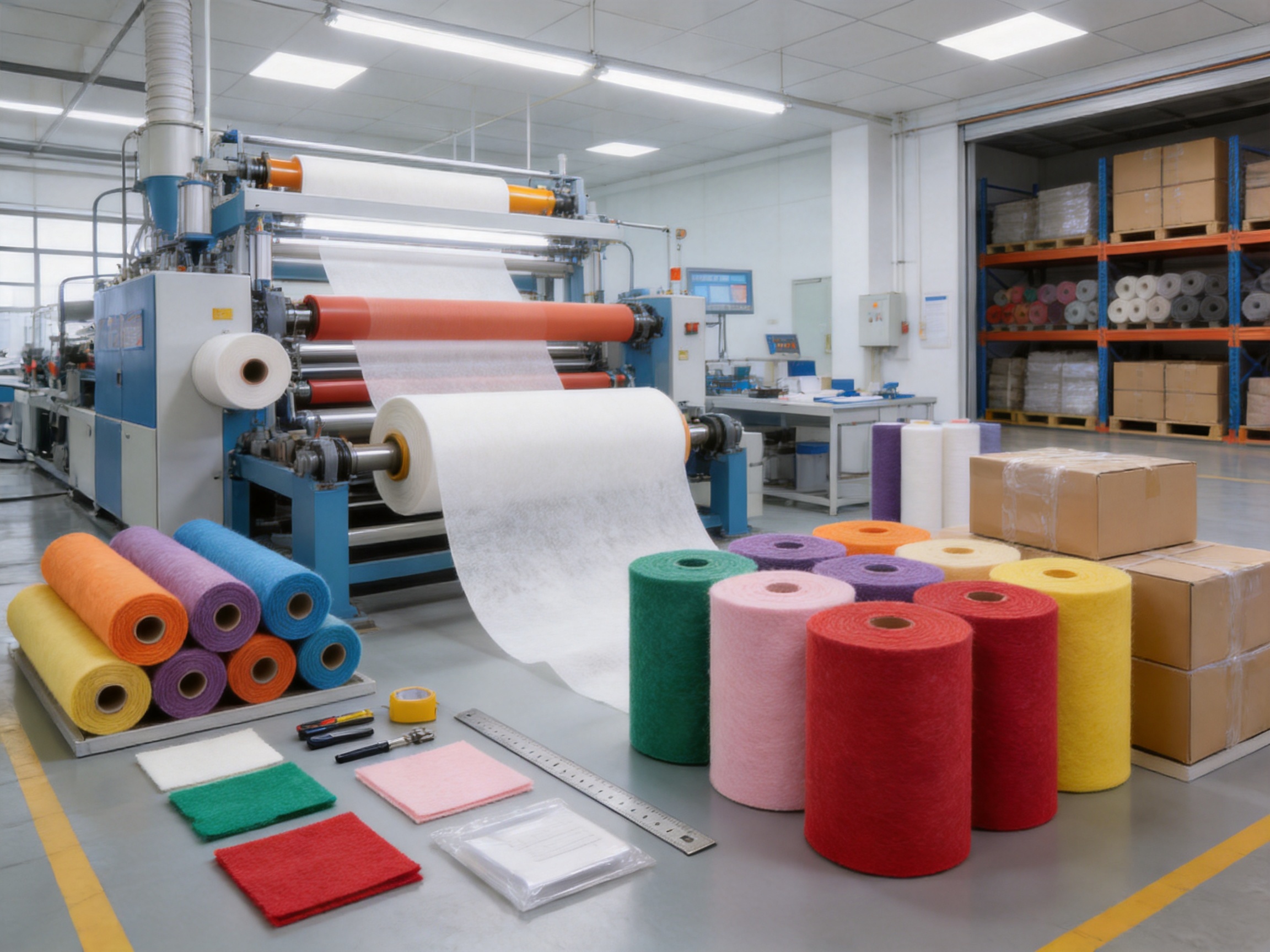
Raffia nonwoven fabric accessories have become an increasingly useful material for packaging designers, gift manufacturers, florists, craft brands, and retailers seeking a combination of attractive appearance, practical performance, and production flexibility. Designed for gift box lining, packaging separation, floral decoration, and coordinated presentation, these accessories offer a soft and lightweight alternative to conventional paper fillers, woven fabrics, and less flexible plastic packaging materials.
Made from eco-friendly PP polypropylene nonwoven fabric and produced through a hot-melt bonding process, raffia nonwoven fabric accessories provide a balanced structure. The material is soft enough to protect delicate products, yet strong enough to resist tearing during handling. It is also breathable, dust-resistant, moisture-resistant, non-toxic, odorless, and flexible. These characteristics allow it to perform effectively in both decorative and functional applications.
For businesses, the value of this product extends beyond its physical properties. A reliable supply partner must also provide stable quality, repeatable manufacturing, flexible color and size options, efficient order fulfillment, and the ability to support OEM and ODM development. Zhejiang Raffia Paper Products Co., Ltd. combines these capabilities with an integrated production system covering material processing, manufacturing, quality testing, packaging, and shipment.
This article examines the construction, performance, applications, manufacturing process, customization potential, and purchasing advantages of raffia nonwoven fabric accessories. It also explains why this product is increasingly suitable for brands that want attractive presentation materials without sacrificing durability, consistency, or operational efficiency.
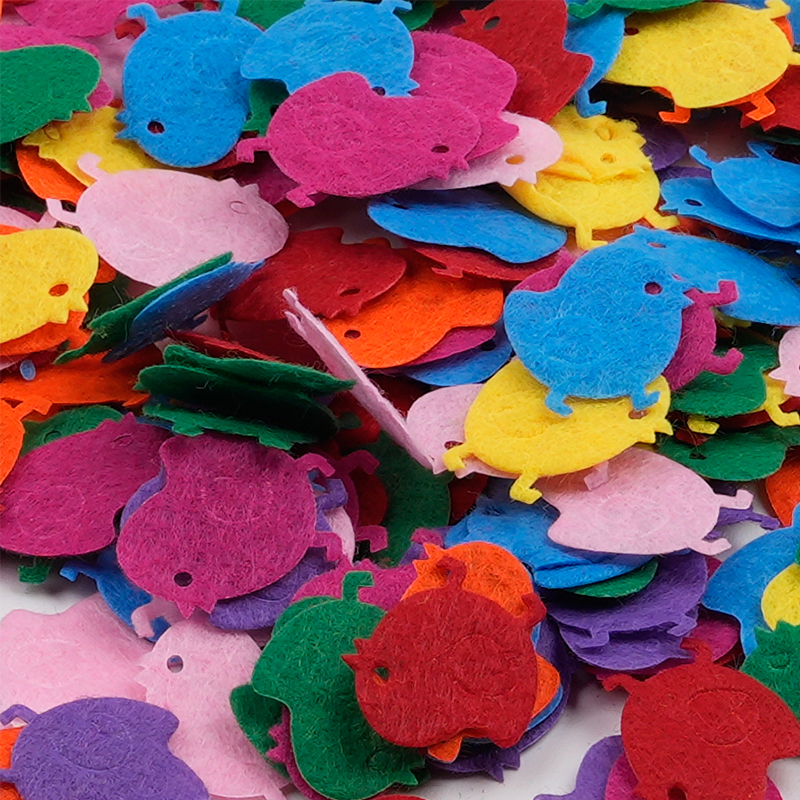
Raffia NonWoven Fabric Accessories
What Are Raffia Nonwoven Fabric Accessories?
Raffia nonwoven fabric accessories are decorative and protective packaging components made from PP polypropylene fabric. Unlike woven textiles, which are created by interlacing yarns, nonwoven fabric is produced by arranging and bonding fibers or polymer webs. In this product, the structure is formed through a hot-melt bonding process, creating a fabric-like sheet with a soft hand feel and useful mechanical strength.
The term “raffia” commonly refers to decorative materials used in gift presentation, craft work, floral arrangements, and packaging. Traditional raffia may be made from natural palm fibers or paper-based materials. Modern raffia accessories can also be produced from engineered materials designed for specific performance requirements. PP nonwoven fabric offers a practical combination of low weight, flexibility, tear resistance, and moisture resistance.
These accessories can be used as lining, cushioning, separation, wrapping support, decorative layering, or visual enhancement. They may be placed inside gift boxes, beneath products, between items, around floral arrangements, or alongside other packaging materials. Their soft texture allows them to enhance presentation while helping to reduce direct contact between packaged products and rigid box surfaces.
The material is available in multiple solid colors, and custom colors can be developed for brands, seasonal collections, events, and coordinated packaging programs. This makes the product suitable for both standardized packaging lines and highly customized presentation concepts.
Core Material Structure
PP polypropylene is a lightweight thermoplastic polymer widely used in packaging, textiles, household products, and industrial applications. When converted into nonwoven fabric, it can provide a controlled balance of softness, flexibility, and tensile performance. The finished material is not intended to replace heavy-duty protective packaging in every situation, but it is highly effective for decorative packaging and lightweight product separation.
The hot-melt bonding process joins the fabric structure without relying on traditional weaving. This supports efficient high-volume production and helps create a consistent surface. Because the material is bonded rather than woven, it does not have the same type of loose interlacing structure found in many conventional fabrics. This can contribute to stable appearance and practical resistance to fraying under normal packaging use.
Primary Product Characteristics
The principal characteristics of raffia nonwoven fabric accessories include a soft touch, lightweight construction, breathability, dust resistance, moisture resistance, tear resistance, flexibility, and a non-toxic, odorless composition. These properties are especially valuable when packaging materials are placed close to cosmetics, gifts, handmade products, decorative goods, and other consumer items.
The product’s flexibility also supports a wide range of forms and arrangements. It can be folded, layered, cut, rolled, wrapped, or positioned around products without requiring complex tools. This gives packaging teams and craft users considerable freedom when creating different visual effects.
Advantages Over Conventional Packaging and Decorative Materials
Raffia nonwoven fabric accessories compete with a wide variety of materials, including shredded paper, tissue paper, woven cloth, plastic film, natural raffia, foam inserts, and low-grade synthetic fillers. Each alternative has a role, but PP nonwoven raffia accessories offer a distinctive combination of decorative appeal and practical performance.
Greater Tear Resistance Than Lightweight Paper Fillers
Paper fillers can create a natural and attractive appearance, but thin paper may tear, crease, or lose its shape during transport and handling. Raffia nonwoven fabric accessories are designed to resist tearing more effectively than many lightweight paper alternatives. This is useful when the material must be adjusted repeatedly during packing or when boxes are opened and displayed by customers.
The increased resistance does not mean that the material is rigid. It remains soft and flexible, allowing it to be arranged around products without creating a harsh or mechanical appearance. This balance between strength and softness is one of the product’s key advantages.
Improved Moisture Resistance Compared With Uncoated Paper
Uncoated paper products can absorb moisture, become limp, stain easily, or lose structural integrity in humid environments. PP nonwoven fabric has a more moisture-resistant structure, making it better suited to storage and shipment conditions where humidity may fluctuate.
Moisture resistance is particularly valuable for floral decoration, gift packaging, and international logistics. It helps the material maintain its appearance during ordinary exposure to atmospheric moisture. The product is not intended to function as a waterproof barrier for liquids, but it provides a practical advantage over many untreated paper fillers.
Softness Without the Bulk of Thick Protective Inserts
Foam and molded inserts can provide cushioning, but they may add volume, increase packaging dimensions, and create a more industrial appearance. Raffia nonwoven accessories offer a lighter decorative layer that can soften contact points without occupying as much space as bulky inserts.
This is beneficial for brands that want a premium unboxing experience while controlling package size and shipping weight. The material can be used as a lining or separator to create visual fullness without requiring a large quantity of heavy packaging components.
More Consistent Appearance Than Natural Fiber Materials
Natural raffia and other plant-based fibers can provide an appealing organic look, but their color, thickness, texture, and flexibility may vary from batch to batch. PP nonwoven fabric accessories can be manufactured with more controlled color and surface characteristics. This consistency is important for retailers and brands that need the same packaging appearance across multiple production runs.
For luxury presentation, seasonal packaging, and branded gift programs, visual consistency can be as important as material performance. Controlled manufacturing helps ensure that individual units look coordinated rather than noticeably different.
Flexible Color Coordination
Color is a central part of packaging identity. The product is available in multiple solid colors, with custom colors available for qualified orders and customized programs. This allows customers to match packaging accessories to brand palettes, product categories, holidays, corporate events, wedding themes, or floral arrangements.
Compared with relying on naturally occurring fiber colors, custom-color production offers greater control over visual communication. A coordinated color system can help distinguish product ranges, improve shelf presentation, and create a recognizable unboxing experience.
Lower Risk of Unpleasant Odors
Packaging materials may be stored for extended periods before use. Materials with strong odors can affect the perceived quality of the finished package and may be unsuitable for sensitive consumer products. Raffia nonwoven fabric accessories are designed to be non-toxic and odorless, supporting use in gift packaging, decorative products, and applications where the material is placed close to the end user.
As with all packaging materials, customers should confirm the specific requirements of their intended application. However, the non-toxic and odorless design provides an important foundation for responsible packaging development.
Suitable for Efficient Packing Operations
The product is lightweight, flexible, and easy to position. Packing personnel can place it inside boxes, separate individual items, or create decorative folds without specialized machinery. This can support efficient manual packing and may also simplify semi-automated packaging workflows where material dimensions and presentation requirements are clearly standardized.
| Performance Area | Raffia Nonwoven Fabric Accessories | Typical Paper Fillers | Heavy Protective Inserts |
|---|---|---|---|
| Material feel | Soft, flexible, and fabric-like | Light and paper-like | Firm or rigid |
| Tear resistance | Good resistance for decorative packaging use | Can tear during repeated handling | Usually high, depending on material |
| Moisture response | Moisture-resistant under normal conditions | May absorb moisture | Varies by insert type |
| Visual customization | Multiple solid colors and custom colors | Color and finish vary by paper type | Often limited by structure |
| Weight | Lightweight | Lightweight | May add considerable bulk |
| Typical application | Lining, separation, floral and gift decoration | Filling and basic presentation | Impact protection and product shaping |
The comparison shows that raffia nonwoven fabric accessories occupy a useful middle position. They provide more durability and moisture resistance than many lightweight fillers while remaining softer, lighter, and more decorative than rigid inserts.
Applications Across Packaging, Floristry, and Craft Markets
Gift Box Lining
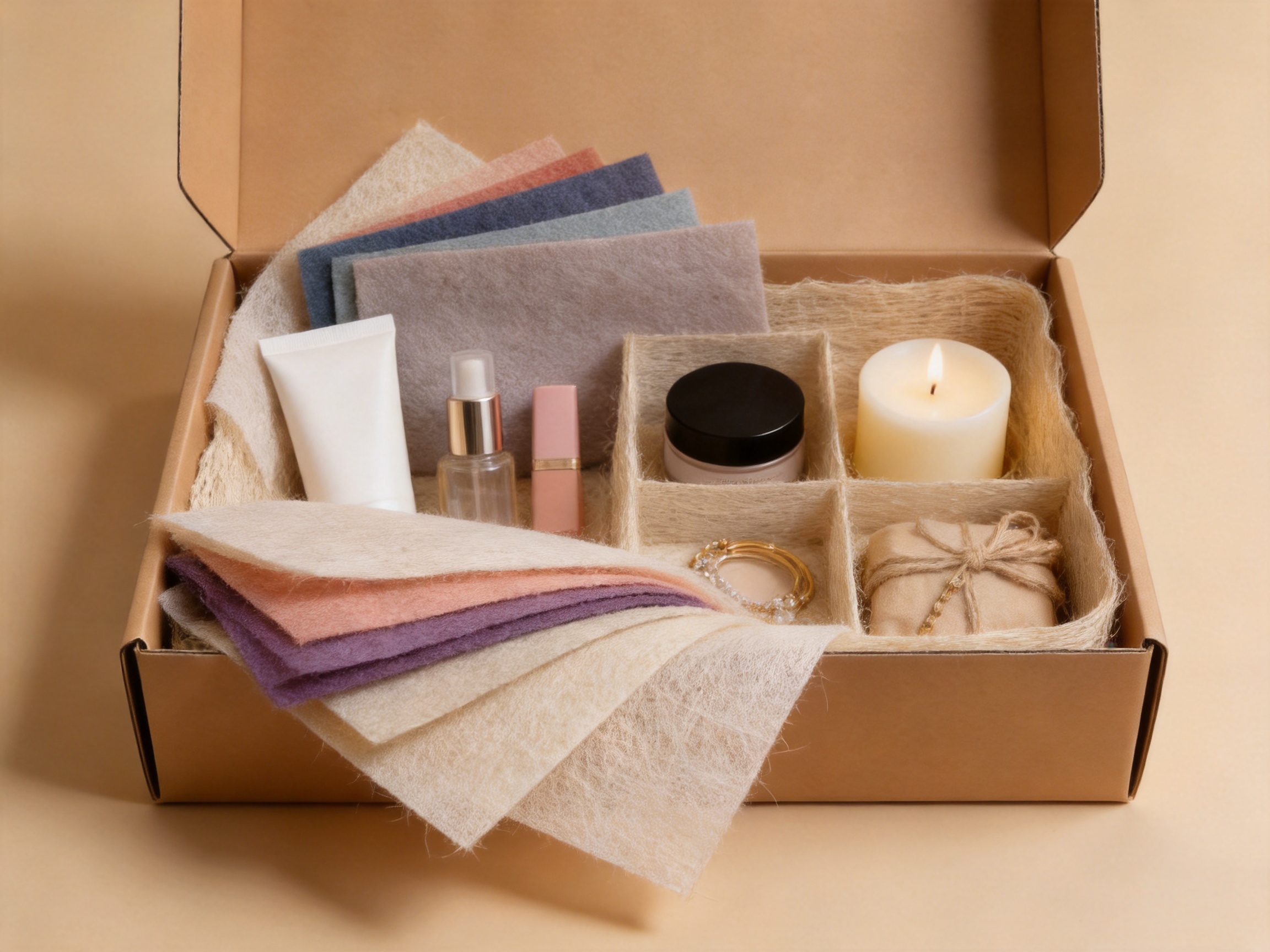
Gift box lining is one of the most important applications for the product. A layer of soft nonwoven fabric can cover the interior base of a box, create a refined visual background, and reduce direct contact between the product and the packaging structure. It can also help organize the contents by providing a flexible surface beneath or around the items.
In premium gift packaging, the interior presentation often influences the customer’s first impression after opening the box. A coordinated lining can make the contents appear more carefully arranged and can reinforce a brand’s color system. The fabric may be folded flat, layered, or arranged with gentle pleats depending on the desired appearance.
Suitable product categories may include accessories, candles, handmade items, cosmetics packaging, gourmet gift sets, fashion-related products, and seasonal presents. The material can also be paired with paper raffia yarn, ribbons, cords, tags, tissue paper, and other decorative accessories.
Packaging Separation
When several products are placed in one box, separation is important for both appearance and handling. Raffia nonwoven fabric can be positioned between items to reduce direct contact and help maintain an orderly arrangement. It can be cut or folded to suit different product shapes.
For example, it may be used between glass containers, decorative objects, small accessories, or components in a gift set. While the material is not a substitute for engineered impact protection where heavy shock resistance is required, it is useful for soft separation and visual organization.
Floral Decoration
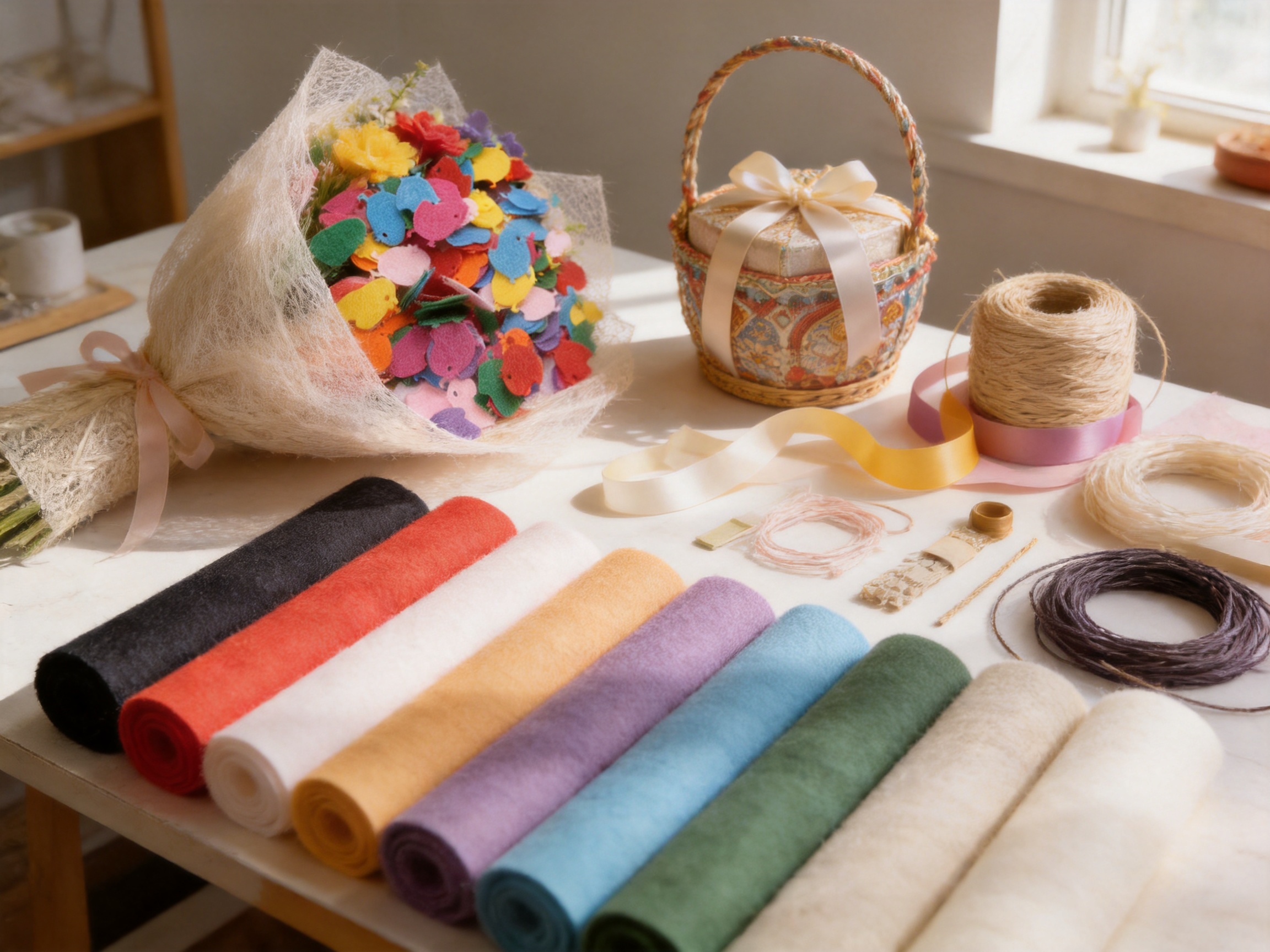
Florists and floral designers can use raffia nonwoven fabric accessories as a decorative layer around bouquets, baskets, gift arrangements, and display containers. The material’s flexibility allows it to be shaped around stems, containers, and presentation surfaces. Its color range also supports coordination with flowers, ribbons, wrapping paper, and event themes.
Unlike some paper materials that quickly lose shape when exposed to humid surroundings, PP nonwoven fabric is better suited to ordinary moisture associated with floral presentation. It should still be handled appropriately around water and should not be treated as a waterproof floral container liner unless specifically developed for that purpose.
Retail and Seasonal Presentation
Retailers often need packaging materials for holidays, product launches, promotional campaigns, and limited-edition collections. Custom colors can support seasonal programs such as spring collections, wedding packaging, autumn gift sets, winter holidays, and corporate events.
Because the product is lightweight and easy to store, businesses can prepare different color combinations without occupying the same amount of warehouse space as rigid packaging components. It can also be integrated into retail display arrangements, sample boxes, and customer gift-wrapping stations.
Handmade and DIY Projects
Craft users can incorporate raffia nonwoven fabric into handmade cards, decorative baskets, gift bags, table settings, floral crafts, and creative packaging. The soft structure makes it easy to cut and arrange, while the tear-resistant quality helps finished projects retain their appearance during handling.
The material can be combined with raffia cords, paper yarns, fancy yarns, wooden elements, labels, and natural fibers. This makes it relevant to both professional craft suppliers and consumers who want accessible materials for creative projects.
Advanced Manufacturing Process
The performance of raffia nonwoven fabric accessories depends not only on the selected polymer but also on the consistency of the manufacturing process. A controlled process is necessary to achieve reliable softness, stable dimensions, even color, clean finishing, and repeatable order quality.
Raw Material Preparation
Production begins with the preparation of PP polypropylene fabric materials. Raw materials must be selected and managed according to the desired product structure, color, thickness, flexibility, and end use. Proper preparation supports consistent processing and reduces variation during large-volume production.
Material preparation may include color coordination, roll organization, inspection of incoming materials, and production planning according to customer specifications. When custom colors or special sizes are required, these details must be confirmed before mass production begins.
Hot-Melt Bonding
The defining manufacturing method for this product is hot-melt bonding. In this process, heat is used to activate bonding points within the nonwoven structure, joining the material into a stable sheet. Unlike liquid adhesive coating, hot-melt bonding can support a clean and efficient production method when controlled correctly.
Temperature, pressure, line speed, and material tension must be balanced. Excessive heat may affect softness or appearance, while insufficient heat may reduce bonding strength. Uneven pressure or inconsistent tension can lead to variations in thickness, surface quality, or dimensional stability.
Modern equipment and standardized procedures help manufacturers maintain repeatable results. This is especially important when a customer needs multiple production batches to match previous orders.
Slitting and Size Control
After the nonwoven material has been formed and bonded, it can be slit or converted into the required widths and roll formats. Slitting must be performed accurately so that the finished material can be used efficiently in packaging operations.
Consistent width helps reduce waste and simplifies downstream cutting, folding, and placement. For customers with standardized box dimensions, the ability to request specific sizes can improve packing speed and make material consumption more predictable.
Cutting, Folding, and Conversion
Depending on the order, the material may be supplied in rolls, sheets, strips, or other converted forms. Cutting and folding requirements should be determined by the intended application. Gift box liners may need flat sheets, while floral applications may favor flexible strips or pre-cut decorative pieces.
Conversion accuracy matters because irregular edges, uneven cuts, or inconsistent dimensions can increase labor requirements. A professional manufacturing system therefore treats conversion as an important quality stage rather than a secondary finishing step.
Inspection and Quality Control
Quality control should cover raw materials, in-process production, and finished products. Inspection may focus on surface appearance, color consistency, width, thickness, bonding uniformity, flexibility, tear resistance, packaging condition, and the absence of undesirable odors or visible contamination.
A standardized and replicable quality control system provides greater confidence than informal inspection alone. It allows production teams to identify deviations early, maintain records, and compare results across different batches.
Zhejiang Raffia Paper Products Co., Ltd. emphasizes standardized production procedures and a strict quality control system. Its integrated operation includes raw material processing, mass production, quality testing, and finished-goods packaging and shipment. This structure helps connect each stage rather than treating manufacturing and logistics as separate activities.
Factory Strength and Integrated Production Capability
Zhejiang Raffia Paper Products Co., Ltd. was founded in 2014 and originated from a craft materials business unit established in 2010. Over more than ten years of industry experience, the company has developed from a trading enterprise into an integrated manufacturer specializing in crinkle raffia paper shreds, fancy paper yarns, and related gift packaging materials.
The company operates a modern production base in Dongyang, Zhejiang Province, covering approximately 20,000 square meters and employing more than 200 professional staff members. Its annual production capacity exceeds 200 million pieces. This scale is important for customers that require stable supply, long-term bulk orders, and coordinated delivery schedules.
The factory’s production capabilities include slitting, twisting, winding, compression packaging, and related material processing. These capabilities are relevant to the broader family of raffia products and help the company coordinate nonwoven fabric accessories with paper raffia yarn, DIY cords, fancy yarns, wrapping materials, and other packaging components.
Advantages of an Integrated Supply Chain
An integrated manufacturing chain can provide several practical benefits. First, it reduces the number of external production links between raw materials and finished goods. Fewer links can make communication more direct and simplify issue resolution.
Second, integrated production supports better coordination between product development, manufacturing, inspection, and shipment. When a customer requests a custom color, size, or packaging format, the relevant information can be transferred through a connected internal system.
Third, an integrated factory can better manage production scheduling for recurring orders. This is valuable for retailers and brands that need packaging materials throughout the year rather than for a single project.
Equipment and Process Development
The company continues to upgrade its core technologies and production equipment for slitting, twisting, winding, and compression packaging. Equipment improvement is important because packaging materials must meet changing expectations for appearance, efficiency, sustainability, and customization.
For raffia nonwoven fabric accessories, process development may involve improving material handling, bonding consistency, conversion accuracy, color repeatability, and packaging density. These improvements can help reduce production variation and support more efficient shipment.
Experience With Global Supply Requirements
The company serves customers throughout China and exports to Europe, North America, South America, Asia, and other regions. International supply requires attention to order accuracy, packaging protection, documentation, production timing, and communication across different market requirements.
Its products and services are used by brands and retail-related customers including Costco, IKEA, LOKLIK, Disney, Lancôme, Chanel, Dior, and Primark. These relationships indicate experience with structured purchasing expectations and the need for consistent product delivery. Every customer has different specifications, so successful supply also depends on confirming the exact requirements of each order rather than relying only on general product descriptions.
Customization and OEM/ODM Support
Customization is increasingly important in packaging because businesses want materials that reflect their brand identity rather than generic presentation. Raffia nonwoven fabric accessories support customization through color selection, size development, packaging format, and coordinated product combinations.
Custom Colors
Custom colors can be matched to brand guidelines, seasonal themes, product categories, or event decoration. Customers should provide a reference color, preferably using a recognized color standard or physical sample where accurate matching is important. The final result may be influenced by material surface, lighting, production conditions, and viewing environment, so sample approval is recommended before mass production.
Custom Dimensions
Different boxes and products require different lining and separation sizes. Custom-width rolls, sheets, strips, or pre-cut components can improve production efficiency and reduce manual trimming. When requesting custom dimensions, customers should consider the product’s folded size, finished appearance, packing method, and acceptable tolerance.
Packaging Customization
Finished-goods packaging can be planned according to warehouse and retail requirements. Options may include bulk rolls, compact compression packaging, individual bundles, labeled cartons, or other formats agreed during order confirmation. Efficient packaging can reduce storage volume and support more organized inventory management.
OEM and ODM Development
OEM services allow customers to order products manufactured according to their specifications and brand requirements. ODM services can support customers that need assistance developing a new size, structure, combination, or presentation concept.
For a custom project, the development process should normally include application review, material selection, color confirmation, dimension confirmation, prototype or sample approval, mass production, quality inspection, and shipment. Clear communication at each stage helps prevent misunderstandings and ensures that the final product matches the intended use.
Quality, Safety, and Responsible Material Considerations
Packaging materials are part of the customer experience, so safety and cleanliness are essential. Raffia nonwoven fabric accessories are designed to be non-toxic and odorless, making them appropriate for many gift, craft, and decorative applications.
The material is also described as eco-friendly. In practical terms, environmental performance should be considered across the entire product life cycle, including raw material selection, production efficiency, transportation, use, and end-of-life management. PP is recyclable in some recycling systems, but local collection and processing capabilities vary. Customers should check regional recycling requirements before making specific disposal claims.
Production efficiency can contribute to responsible manufacturing by reducing material waste, improving cutting accuracy, and optimizing compression packaging. A durable product may also reduce replacement frequency during packaging operations. Nevertheless, responsible use requires selecting an appropriate quantity and avoiding unnecessary over-packaging.
For brands with formal compliance programs, additional documentation or testing may be required depending on the product application and destination market. Requirements can differ for general decoration, consumer packaging, food-contact applications, cosmetics, children’s products, or direct-contact uses. Technical specifications should therefore be confirmed before purchase.
How to Select the Right Product for a Packaging Project
Define the Application
The first step is to determine whether the material will be used for lining, separation, cushioning, floral decoration, wrapping support, or a craft project. Each application may require a different size, thickness, color, and packing format.
Measure the Packaging Space
For gift boxes, measure the internal length, width, and depth. Consider whether the fabric will be placed flat, folded over the sides, layered beneath the product, or arranged around several items. Accurate measurements reduce waste and help determine whether sheets, strips, or rolls are most suitable.
Choose the Color and Surface Effect
Solid colors create a clean and organized appearance. A single color can reinforce a brand identity, while several coordinated colors can distinguish product categories or create a more expressive presentation. Customers should evaluate samples under the lighting used in their retail or display environment.
Consider Handling Conditions
Review how the package will be assembled, transported, stored, opened, and displayed. If the material will be handled several times, tear resistance and flexibility become particularly important. If the package may encounter humidity, moisture resistance is a useful advantage.
Confirm Order Volume and Delivery Schedule
Production scale and lead time should be considered before finalizing a packaging program. Bulk orders may support more favorable production planning and custom development, while smaller orders may be suited to available standard colors and sizes. Customers should confirm minimum order quantities, sample arrangements, production lead times, shipping terms, and carton dimensions with the supplier.
Best Practices for Using Raffia Nonwoven Fabric Accessories
Store the material in a clean, dry environment away from excessive heat, sharp objects, and prolonged direct sunlight. Although the product is moisture-resistant, controlled storage helps preserve its appearance and reduces the risk of contamination.
When using it as a gift box liner, ensure that the material is cleanly cut and positioned so that it supports the product without covering important branding or instructions. A neat fold can create a more premium appearance than simply placing a loose piece into the box.
For separation, choose a size that prevents products from moving excessively while avoiding unnecessary compression. The material should organize the contents without placing damaging pressure on fragile surfaces.
For floral applications, keep the material appropriately separated from free water unless the product has been specifically developed for wet conditions. Use it as a decorative wrap, backing, or presentation layer rather than assuming that it can replace a waterproof liner.
When combining the fabric with paper products, ribbons, cords, and fancy yarns, coordinate colors and textures carefully. A soft nonwoven base can provide visual contrast against crinkle paper, twisted yarn, or glossy wrapping paper. The result can look more deliberate when the number of decorative elements is controlled.
Why Consistent Manufacturing Matters to Buyers
Packaging materials are often purchased repeatedly, and inconsistency between shipments can create serious operational problems. A change in color may affect brand presentation. A variation in width may slow down packing. A difference in softness or tear resistance may alter the unboxing experience. Damaged cartons or poorly compressed goods may increase warehouse handling.
A supplier with standardized procedures can reduce these risks. Consistent manufacturing begins with documented specifications and continues through material preparation, hot-melt bonding, slitting, conversion, inspection, and shipment. The more clearly these stages are controlled, the easier it becomes to reproduce the desired result.
Zhejiang Raffia Paper Products Co., Ltd. emphasizes a strict and replicable quality control system. Its integrated facility and production experience support customers that need both standard products and customized development. The company’s ability to manufacture related raffia and packaging products also creates opportunities for coordinated sourcing.
For buyers, this means that raffia nonwoven fabric accessories can be considered not merely as a decorative item but as part of a broader packaging supply strategy. A single experienced supplier may help coordinate nonwoven accessories, paper raffia yarn, DIY cords, fancy yarns, wrapping materials, and other components required for a complete presentation concept.
Frequently Asked Questions
What are raffia nonwoven fabric accessories made from?
They are made from PP polypropylene nonwoven fabric. The material is produced through a hot-melt bonding process that creates a soft, lightweight, flexible, and tear-resistant fabric-like structure.
Are these accessories suitable for gift boxes?
Yes. They are suitable for gift box lining, packaging separation, interior decoration, and coordinated presentation. Their soft texture can help protect products from direct contact with rigid box surfaces while improving the visual appearance of the package.
Can the color be customized?
Yes. The product is available in multiple solid colors, and custom colors are available for suitable orders. A physical sample or recognized color reference is recommended when accurate color matching is important.
Can the size be customized?
Custom size development is available through OEM and ODM services. Customers should provide the intended application, packaging dimensions, desired format, and estimated order volume so that the appropriate production solution can be evaluated.
Is the material waterproof?
The material is moisture-resistant, but it should not automatically be treated as a waterproof barrier. It can perform well in ordinary humid conditions, but applications involving direct water or liquids should be reviewed and tested separately.
Can the product be used for floral decoration?
Yes. It can be used for bouquets, baskets, floral gift arrangements, decorative wrapping, and presentation layers. Its flexibility and color range make it suitable for different floral styles and event themes.
Does the material have a strong odor?
The product is designed to be non-toxic and odorless. This makes it suitable for many gift packaging, craft, and decorative uses where an unpleasant smell would reduce perceived quality.
How does it compare with shredded paper?
Raffia nonwoven fabric accessories generally provide greater tear resistance, improved moisture resistance, and a softer fabric-like texture than many lightweight shredded paper fillers. Shredded paper may still be preferred when a highly natural, recyclable, or crinkle-textured appearance is the main priority.
How does it compare with rigid foam inserts?
Nonwoven raffia accessories are lighter, softer, and more decorative than rigid foam inserts. They are suitable for lining and separation but may not provide the same level of impact protection required for fragile or heavy products during demanding transportation.
Can it be combined with other raffia products?
Yes. It can be coordinated with paper raffia yarn, DIY cords, fancy yarns, wrapping paper, ribbons, tags, and other decorative accessories. Combining materials can create a layered and distinctive packaging presentation.
What should buyers confirm before placing an order?
Buyers should confirm material requirements, color, dimensions, format, packaging method, quantity, application, sample approval, production lead time, inspection standards, shipping arrangements, and any destination-market compliance requirements.
Does the supplier provide OEM and ODM services?
Yes. Zhejiang Raffia Paper Products Co., Ltd. provides flexible OEM and ODM services, including exclusive brand customization, custom size development, and long-term bulk order supply.
Conclusion
Raffia nonwoven fabric accessories provide a practical and attractive solution for gift packaging, floral decoration, packaging separation, and craft presentation. Made from PP polypropylene nonwoven fabric and formed through hot-melt bonding, they combine softness, flexibility, lightweight construction, tear resistance, dust resistance, moisture resistance, and an odorless, non-toxic design.
The product offers meaningful advantages over many conventional fillers and decorative materials. It is more durable than delicate paper fillers, less bulky than rigid inserts, more moisture-resistant than untreated paper, and more consistent in appearance than many natural fiber alternatives. Multiple solid colors and custom color options further increase its usefulness for branded and seasonal packaging.
Its value is strengthened by the manufacturing capabilities of Zhejiang Raffia Paper Products Co., Ltd. With a modern 20,000-square-meter production base, more than 200 professional employees, annual capacity exceeding 200 million pieces, integrated processing, standardized procedures, and strict quality control, the company is positioned to support both routine orders and customized development.
For businesses seeking a reliable packaging accessory, the most important considerations are not only appearance and price. Consistent quality, repeatable dimensions, stable color, efficient conversion, responsible material management, flexible customization, and dependable delivery all influence the success of a packaging program. Raffia nonwoven fabric accessories address these requirements while providing a soft and refined foundation for memorable product presentation.
References
1. Technical product information for PP polypropylene nonwoven fabric accessories, including material characteristics, applications, safety features, and customization options.
2. Internal company information concerning production capacity, factory scale, manufacturing processes, quality control procedures, OEM services, ODM services, and international supply experience.
3. General reference principles for nonwoven fabric manufacturing, hot-melt bonding, material conversion, slitting, packaging, and quality inspection.
4. General packaging design guidance concerning gift box lining, product separation, floral presentation, decorative layering, and retail unboxing experiences.
5. General material management guidance concerning polypropylene use, storage, moisture resistance, recycling considerations, and regional end-of-life requirements.
Product: Raffia NonWoven Fabric Accessories

 +86 15355323399
 kevin@raffia-paper.com
 No. 151 Guanshan North Road, Dongyang City, Zhejiang Province, China

Copyright © Zhejiang Raffia Paper Products Co., Ltd. All Rights Reserved.

Paper Raffia Yarn & Gift Packaging Factory